
Choose the Right Andis Hair Clippers (and Get Better Cuts Faster)
If you’re comparing Andis hair clippers, you’re usually trying to solve one of three problems: (1) you want a cleaner fade, (2) you want a clipper that doesn’t snag or feel underpowered, or (3) you’re tired of buying guards that don’t fit. This page fixes the confusion with a practical buying framework, a guard-size cheat sheet, and quick tools that generate a plan you can actually follow.
- Andis cordless hair clippers vs corded: what matters (and what doesn’t)
- Andis clipper guards: sizes, compatibility rules, and a step-by-step fade progression
- Professional blade systems explained in plain English (adjustable vs detachable)
- Maintenance and troubleshooting so your clipper keeps cutting cleanly
- Andis professional clippers
- Andis barber clippers
- Wireless clippers (Andis)
- Guards & blending
- Maintenance
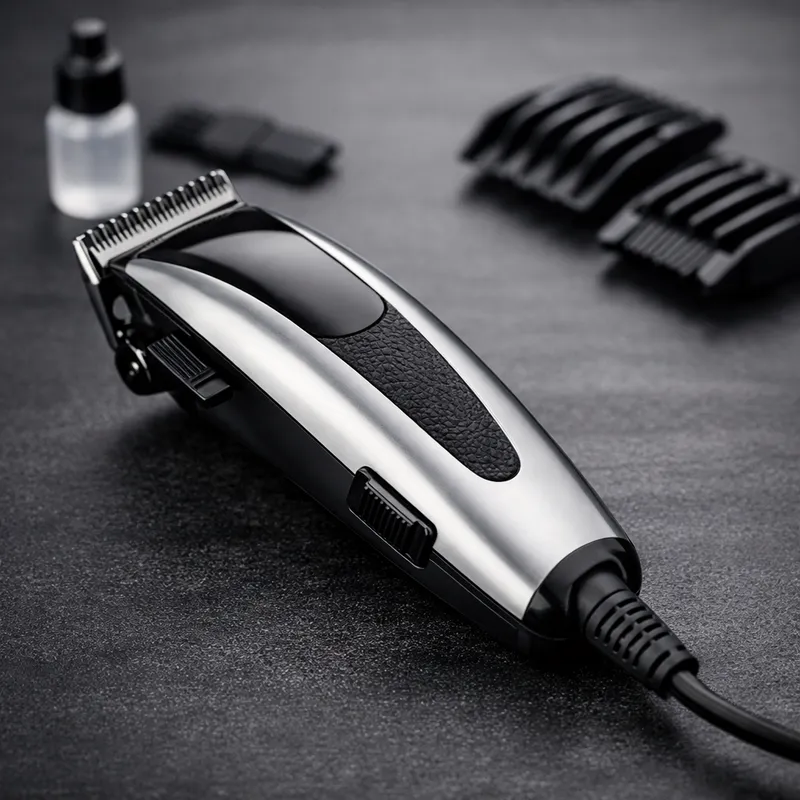
Best Andis Hair Clippers: Quick Picks (by Goal)
The “best” clipper depends on what you cut most often. A clipper that feels perfect for skin fades can feel awkward for all-over home haircuts, and a heavy-duty workhorse can be overkill if you only do monthly maintenance.
Use this table to pick a direction quickly. Then scroll down to the tools and guides to confirm your choice and build a guard plan.
| Best for | What to look for | Ideal clipper type | Why it works |
|---|---|---|---|
| Clean fades & sharp tapers | Strong motor consistency, stable adjustable blade, comfortable lever control | Fade-focused adjustable blade (corded or cordless) | Fades are about controlled blending. A stable lever and predictable cutting feel make line removal easier. |
| All-around home haircuts | Ergonomics, guard compatibility, low snagging, easy maintenance | General-purpose adjustable blade | Most DIY cuts need reliable guard work more than extreme close-cutting. |
| Thick / coarse hair | Power under load, clean cutting at slower passes, heat control | High-torque clipper or detachable blade system | Thicker hair punishes weak motors and dull blades. Consistency prevents pulling and patchy areas. |
| Barber workflow / high volume | Durability, serviceable design, comfort over long sessions | Andis professional barber clippers (pro-grade build) | When you cut frequently, reliability and maintenance access matter as much as raw power. |
| Buzz cuts and maintenance trims | Comfort, easy guard swapping, steady cutting without “tracks” | Simple adjustable blade + quality guards | Buzz cuts are about even pressure, consistent direction, and using the right guard length. |
Note: Specific Andis model names vary by region and release cycle. The section below focuses on the clipper type you should buy first, because that choice matters more than a single product page.
Tool: Andis Clipper Finder (60-second recommendation)
Answer a few questions and get a practical recommendation: the right Andis hair clipper category, what guard set to prioritize, and what to do next for a cleaner result.
Your recommendation will appear here
Tip: for the cleanest outcome, the best clipper choice is the one that matches your goal and makes your guard progression easy to execute.
- Fades → prioritize lever control and stable guards
- All-around → prioritize comfort + guard compatibility
- Thick hair → prioritize consistent cutting and blade maintenance
This tool recommends a clipper type (the decision that matters most). After that, choose an Andis model that matches this type and fits your hand.
Are Andis Clippers Good? Yes — If You Buy for the Right Use-Case
Andis professional clippers are popular for a simple reason: they’re designed to cut consistently when used correctly. But most people don’t struggle because the brand is “bad”—they struggle because the setup is wrong: the clipper type doesn’t match the goal, the guards don’t fit properly, or the blade isn’t maintained.
Where Andis hair clippers shine
- Fade control: many Andis barber clippers are designed with precision work in mind.
- Consistency: predictable cutting feel matters more than raw “power numbers.”
- Durability mindset: pro-grade tools reward good maintenance and technique.
- Versatility: when paired with the right guard set, one clipper can cover most men’s cuts.
What causes bad results (even with pro clippers)
- Wrong guard strategy: skipping lengths creates harsh lines you can’t erase.
- Guard mismatch: buying random combs that don’t seat securely.
- Too much pressure: pressing harder doesn’t cut better; it creates tracks.
- Neglected blades: dirty or dry blades pull hair and overheat.
The fastest way to upgrade your results
If you want immediate improvement, don’t start by buying another clipper. Start with a guard plan that matches your haircut goal and stick to it for 2–3 haircuts. Once your technique is consistent, then upgrade the tool if you still feel limited.
Andis Cordless Hair Clippers vs Corded: What Actually Matters
People searching for Andis cordless hair clippers (or “wireless clippers Andis”) usually want more freedom of movement, especially for blending around the back of the head and working the neckline. That’s a real advantage—but it’s not the only advantage.
When cordless Andis clippers make the most sense
- You fade often: cordless helps you keep consistent angles and wrist position.
- You cut frequently: weekly maintenance cuts are easier when you can move fast.
- You need flexibility: self-cuts are less awkward without a cord.
Best pairing: cordless clipper + stable guards + a simple fade progression (don’t skip sizes).
When corded Andis clippers are the smarter buy
- Maximum reliability: plug in and go, every time.
- You forget to charge: corded prevents “dead battery mid-cut” problems.
- You want the simplest setup: fewer moving parts in your routine.
Best pairing: corded clipper + quality guard set + basic blade cleaning habit.
The 3 features that matter more than marketing
- Blade system: adjustable lever blades are best for most men’s haircuts and fades; detachable systems shine for fast blade swaps.
- Guard security: a guard that seats firmly is a bigger performance upgrade than chasing small spec differences.
- Ergonomics: the best Andis pro clippers are the ones you can control comfortably for 20–40 minutes.
Andis Professional Clippers: Blade Systems Explained (Simple and Practical)
Most people buy the wrong tool because they don’t understand the blade system. Here’s the clear rule: if you want fades and blending, start with an adjustable blade clipper. If you already know you want speed and blade swapping, consider a detachable system.
Adjustable blade (lever) clippers
This is the typical “fade clipper” style. You keep one blade on the clipper and use the lever to change cutting length in small steps. That lever control is one of the biggest reasons Andis barber clippers are common in fade-heavy workflows.
- Best for: fades, tapers, blending, most DIY men’s cuts
- Why it’s easier: lever blending reduces harsh lines without constant guard swapping
- What to watch: guard compatibility and secure fit
Detachable blade clippers
Detachable systems use snap-on blades (common in professional environments). You change the blade to change the length. If you cut often, blade swapping can be faster and more consistent—especially for bulk removal.
- Best for: high-volume cutting, fast bulk work, thick hair, blade rotation
- Why it’s powerful: dedicated blades keep length consistent across sessions
- What to watch: blade costs, cleaning routine, storage
If you only buy one clipper
For most people (especially DIY), the safest and most versatile choice is an adjustable-blade Andis clipper paired with the right guard set. That combination covers buzz cuts, tapers, and most fade variations without complicated gear.
Andis Clipper Guards: Sizes, Compatibility, and the Cheat Sheet You’ll Actually Use
Most “Andis clipper guard” problems come down to one issue: fit. A guard that doesn’t seat firmly can slip, flex, or ride up—and that’s how you get uneven patches, surprise short spots, and frustration.
If you want a simple strategy: build your guard set around the lengths you truly use, then add specialty guards only when you know why you need them. This is how you get professional-looking cuts with fewer mistakes.
The “core” guard lengths for men’s cuts
These cover the majority of short-to-medium men’s haircuts. If your kit is missing several of these, that’s usually a bigger issue than buying a new clipper.
- 1/16″ (≈ 1.5 mm) — very short blending / tight taper work
- 1/8″ (≈ 3 mm) — classic short side length (#1 equivalent)
- 1/4″ (≈ 6 mm) — #2 equivalent, strong “short but safe” option
- 3/8″ (≈ 10 mm) — #3 equivalent, clean short-to-medium transition
- 1/2″ (≈ 13 mm) — #4 equivalent, safe blending buffer
- 3/4″ (≈ 19 mm) — helps avoid a “shelf” in longer transitions
- 1″ (≈ 25 mm) — longer guard for balance and shape
Guard naming can vary slightly by brand and blade style. Always test on a small area and adjust slowly.
Compatibility rule (don’t guess)
“Guards are guards” is a myth. Many Andis clippers guards are made to match specific clipper families or blade types. Before you buy, match these three points:
- Your clipper type: adjustable blade vs detachable blade
- Your blade shape: some guards are designed for specific blade geometries
- Listing compatibility: verify the guard set explicitly lists your clipper model family
If your guards don’t lock in confidently, stop and fix that first. Great technique can’t compensate for unstable attachments.
Guard Size Cheat Sheet (common equivalents)
This mapping helps you translate common “guard numbers” into lengths. Use it as a planning tool, not a guarantee—exact results depend on blade style, lever position, and pressure.
| Common label | Inches | Millimeters (approx.) | Where it’s used |
|---|---|---|---|
| #0.5 | ~1/16″ | ~1.5 mm | Very tight tapering, softening lines near the bottom |
| #1 | 1/8″ | 3 mm | Short sides, clean “barber short” look |
| #2 | 1/4″ | 6 mm | Safe short length, classic home haircuts |
| #3 | 3/8″ | 10 mm | Blending into longer top, avoiding harsh shelves |
| #4 | 1/2″ | 13 mm | Transition buffer, “don’t go too short” guard |
| #5 | 5/8″ | 16 mm | Longer sides / controlled shape for medium styles |
| #6 | 3/4″ | 19 mm | Long blending, preventing heavy weight lines |
| #8 | 1″ | 25 mm | Longer maintenance, shape without going too short |
Tool: Guard Planner (creates a step-by-step progression)
Choose your haircut goal and target lengths. This generates a guard progression you can follow without guessing—ideal for DIY and for planning what to ask your barber.
Your guard plan will appear here
Pro rule: always start longer than you think, then go shorter in controlled steps. It’s easier to remove hair than to put it back.
Planning for a barber visit? Take a screenshot of your plan and show it with a reference photo. Clear instructions reduce misunderstandings.
Fade Playbook: How to Get Cleaner Results with Andis Barber Clippers
A clean fade is not magic. It’s a repeatable process: small guard steps, controlled pressure, and deliberate blending. If you’re using Andis professional barber clippers, your job is to make the tool predictable by keeping the setup simple.
The 5-step fade method (works for most men’s cuts)
- Set your fade height: low, mid, or high. Keep it consistent around the head.
- Start with a “safe” guard: begin longer and remove bulk evenly.
- Create zones: work in bands (top transition → mid → lower) instead of random passes.
- Blend each line before moving down: don’t stack problems.
- Detail last: edges, neckline, and cleanup should be the final step.
If you keep getting harsh lines, it’s usually one of these
- You skipped guard lengths: large jumps create a visible step you can’t erase.
- You pressed too hard: pressure creates tracks and removes too much too fast.
- Your guard isn’t stable: a loose guard equals uneven cutting, no matter the brand.
- Your blade is dry/dirty: drag causes patchy cutting and irritation.

Maintenance That Makes Andis Pro Clippers Cut Better (and Last Longer)
Many clipper complaints aren’t about the clipper—they’re about maintenance. When the blade is clean and lightly oiled, cutting becomes smoother, heat drops, and results look more even.
After every cut (2 minutes)
- Brush hair away from the blade and housing vents
- Apply a few drops of clipper oil to the blade
- Run the clipper briefly to distribute oil
- Wipe off excess to avoid buildup
Weekly (or every 3–5 cuts)
- Deep brush the blade area and guard contact points
- Inspect guard teeth for cracks or bending
- Check screws and lever area (if adjustable blade)
- Confirm the blade feels smooth, not scratchy
When to replace/refresh
- Pulling hair: often dull blade or heavy buildup
- Overheating: dirty/dry blade or long sessions without breaks
- Uneven results: loose guard fit or misalignment
- More effort needed: the clipper shouldn’t fight you
Troubleshooting fast (most common fixes)
Problem: clipper pulls hair
- Clean + oil immediately
- Slow down and use overlapping passes
- If pulling continues, the blade may be dull
Problem: uneven patches
- Check guard is fully seated (no wobble)
- Use consistent direction (don’t “scrub” randomly)
- Blend with smaller steps (don’t jump lengths)
Tool: Maintenance Planner (your routine in one minute)
Set your usage and get a simple schedule for cleaning, oiling, and checking blades/guards. Consistency beats complicated routines.
Your maintenance schedule will appear here
The best maintenance plan is the one you’ll actually follow. Keep it simple, keep it consistent.
If your clipper gets hot quickly, it’s often buildup + dry blades + long continuous passes. Short breaks and regular oiling matter.
Want a Guaranteed Result? Get a Pro Cut First
If you’re buying clippers because you’ve had inconsistent cuts, consider this approach: get one high-quality cut from a barber, take clear photos from the front/side/back, then use your Andis clippers for maintenance. You’ll learn what “good” looks like on your head shape—then maintaining it becomes easy.
Note: Andis® is a trademark of its respective owner. This page is an independent guide focused on choosing tools and improving haircut outcomes.

Buzz Cuts with Andis Hair Clippers: The “Even Finish” Method
Buzz cuts look simple, but the difference between “clean” and “cheap” is evenness. Most uneven buzz cuts come from rushing, changing direction too often, or using inconsistent pressure.
How to get an even buzz (repeatable steps)
- Pick one guard length and commit to it for the entire head before “touching up.”
- Use long, overlapping passes in one direction first (for example, front to back).
- Switch direction once (side to side) to catch missed hair—don’t constantly change angles.
- Light pressure: let the clipper cut; pressing harder creates tracks.
- Check under strong light and touch up slowly where needed.
Quick guard advice
- New to buzzing? start longer than you think, then go shorter next time if needed.
- Want a softer look? keep the sides slightly shorter than the top for shape.
- Want maximum simplicity? choose one length everywhere and focus on evenness.
Andis Hair Clippers FAQ (Clear Answers)
These are the most common questions people ask when choosing Andis cordless clippers, comparing Andis professional clippers, and trying to match the right guard set.
Are Andis hair clippers good for fades?
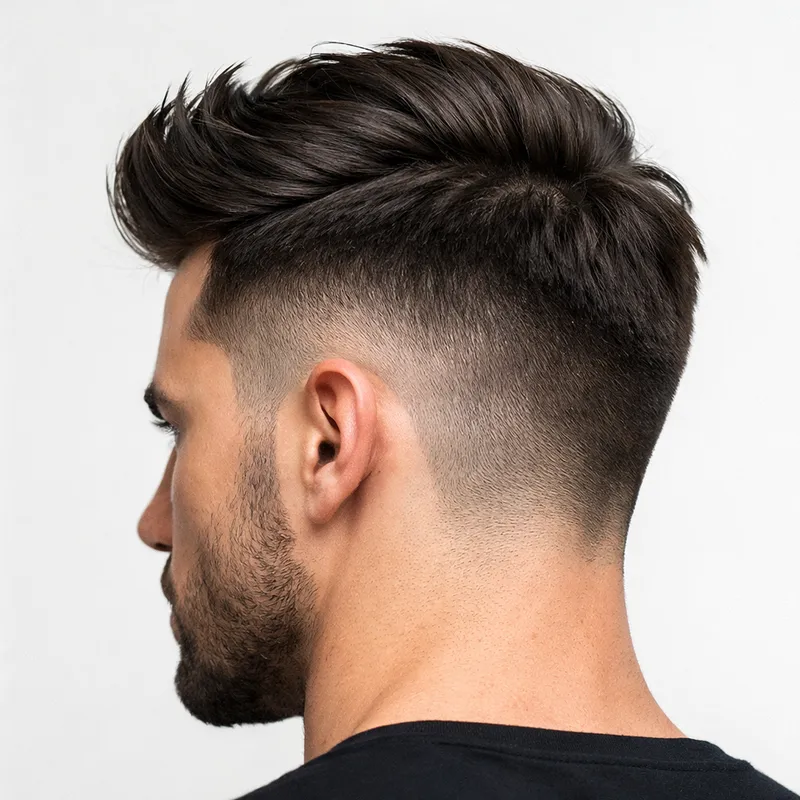
Yes—many Andis barber clippers are used specifically for fades because they can deliver controlled, consistent cutting. But fades are still technique-driven: use smaller guard steps, consistent angles, and blend each line before moving down.
Should I buy Andis cordless hair clippers or a corded model?
Cordless is great for mobility and self-cuts, especially fades. Corded is great for “always ready” reliability. If you fade often and want easier movement, cordless is usually worth it. If you hate charging and want simplicity, go corded.
Do Andis clipper guards fit all Andis clippers?
Not always. Guard fit depends on your clipper’s blade type and model family. Don’t guess—verify compatibility on the guard set listing. A secure fit is essential for even cutting and safe blending.
What guard lengths do I actually need for men’s haircuts?
The most-used “core” lengths are: 1/16″, 1/8″, 1/4″, 3/8″, 1/2″, 3/4″, and 1″. If you’re missing several of these, upgrading guards often improves results more than upgrading the clipper.
Why do my clippers pull hair or feel like they snag?
The most common causes are dry/dirty blades, too-fast passes, or a dull blade. Clean and oil first. If pulling continues after proper cleaning and slower technique, it may be time to replace or sharpen the blade (depending on your system).
What’s the difference between Andis hair clippers and Andis trimmers?
Clippers are for bulk cutting and shaping (sides, back, overall length). Trimmers are for detailing (hairline, edges, beard lines). For the cleanest finish, many people use both—clipper for the cut, trimmer for the outline.
Related: Andis trimmers • Andis hair trimmer guide
Can Andis professional clippers work for thick or coarse hair?
Yes, but performance depends on blade condition and technique. Thick hair needs consistent cutting, slower passes, and disciplined oiling. If you cut thick hair often, consider a pro-grade setup and avoid skipping maintenance.
How do I ask a barber for the haircut I want (so I don’t leave disappointed)?
Bring 2–3 reference photos, say whether you want a low/mid/high fade, and describe how short you want the sides in simple terms (for example, “short but not skin”). If you used the Guard Planner above, show the progression so your barber understands the vibe and structure.