
Updated guide for sharp edges and better results at home
Looking for an Andis hair trimmer because you want cleaner lineups, tighter beard edges, or a sharper neckline? Good. The tool matters — but how you choose it and how you use it matters more.
This page is informational and practical. No hype, no fluff — just the decisions and technique that actually change the outcome.
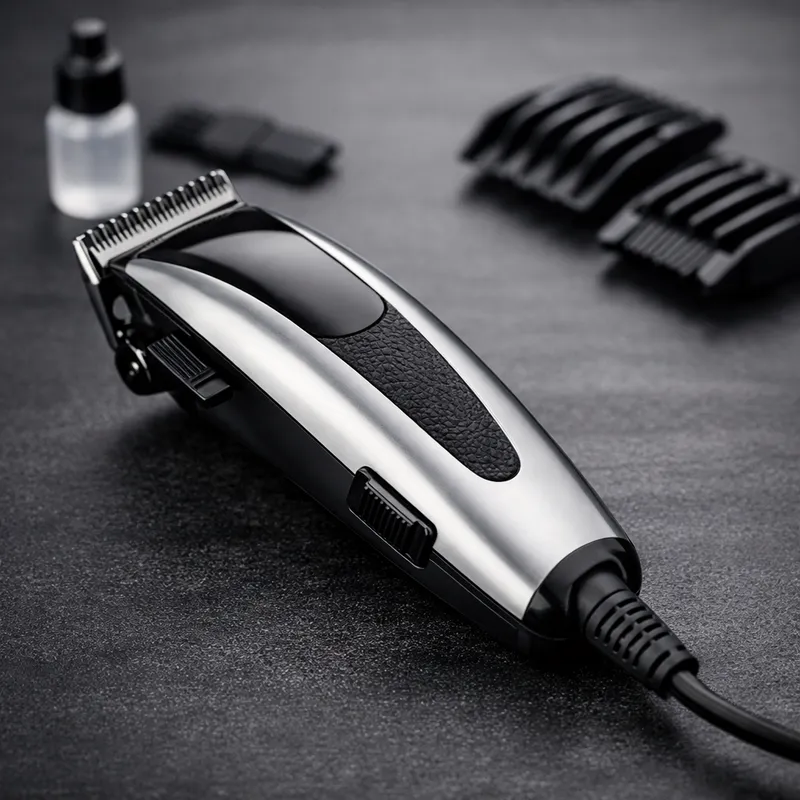
Andis Hair Trimmer Quick Picks (by goal)
There isn’t one “best” Andis hair trimmer. There’s the best match for what you’re trying to do: crisp lineups, fast neck cleanup, detail work, sensitive skin, or a cordless routine that fits your life.
Classic lineup lane (corded, steady power)
If you want the traditional barber-shop feel — stable power, zero charging, and a trimmer that lives for outlining — this lane is built around the Andis T-Outliner family. It’s the “finish the cut” tool: hairline, sideburns, neckline, around the ears.
- Best for: home lineups, consistent edging, no-battery workflow.
- Watch for: cord management and heat if you run it continuously for long stretches.
- Good fit if: you want reliability more than convenience.
Modern cordless outliner lane (sharp edges, easier angles)
If your search is “andis hair trimmer cordless”, you’re usually trying to solve one thing: better control. Cordless makes it easier to hit the correct angle on your own head and to clean the neckline without wrestling a cable.
- Best for: DIY lineups, neck cleanup, travel, quick touch-ups.
- Typical models in this lane: Cordless T-Outliner variants, GTX-style cordless trimmers.
- Good fit if: you cut often and want “grab-and-go.”
Lightweight detailer lane (maximum control, lower “oops” risk)
Most DIY mistakes come from pressure and angle — not power. A lighter trimmer is often the fastest path to cleaner results because your hand stays steady and your wrist doesn’t fatigue mid‑line.
- Best for: beginners, sensitive skin, beard edges, kids’ haircuts.
- Typical models in this lane: Andis Slimline-style trimmers.
- Good fit if: you value control over “aggressive” cutting.
Long-session lane (less charging, more consistency)
If you’re cutting multiple people, doing regular beard maintenance, or you just hate charging, look for the Andis trimmer lines known for long runtime and strong consistency across a full session.
- Best for: frequent use, shared household trimmer, mobile setups.
- Good fit if: you want fewer interruptions and predictable output.
- Extra tip: a stand/dock workflow keeps it ready without thinking.
High-speed precision lane (design work, crisp finishing)
If you’re doing sharp corners, detailed linework, or you simply want the “barber finish” feeling, this lane is about precision and confidence. It’s also the lane where technique matters most: speed can punish heavy hands.
- Best for: advanced users, barbers, designs and detailing.
- Watch for: irritation if you over-press or do too many passes.
- Good fit if: you already know how to “tap” a lineup instead of dragging.
If your goal is a perfect lineup fast
Buying a new trimmer won’t beat a pro haircut when you’re on a deadline. If you need a guaranteed clean result for an event, interview, or photos, the smartest move is simple: get it done by a barber.
No forms here — just practical guidance and tools. Update the booking link to your own page when ready.
Trimmer Finder: match the right Andis hair trimmer to your goal
This quick tool helps you choose the right lane first (corded outliner, cordless outliner, lightweight detailer, etc.). Then you’ll get practical setup tips so the trimmer actually performs the way you expect.
Choose your options and click Get my recommendation. You’ll receive:
- A “best lane” recommendation (e.g., cordless outliner vs lightweight detailer)
- Example Andis model families to look at
- How to set it up for cleaner edges (with fewer mistakes)
Keyword note for searchers: if your priority is convenience and angles, you’re in the Andis cordless hair trimmer lane. If your priority is “always-on” consistency, the classic corded outliner lane stays undefeated.
Andis Cordless vs Corded Trimmers: what actually changes
Most comparisons online are surface-level. Here’s what changes your real-world experience — especially if you’re lining up your own hair.
Cordless: best for angles, speed, and comfort
A cordless Andis trimmer removes the cable problem. That sounds small until you try to line up your neckline or shape around the ears without contorting your shoulders. Cordless typically improves your result because you can keep the blade at the correct angle — and you can pause, step back, and correct symmetry without fighting a cord.
- Wins on: DIY lineups, travel, quick touch-ups, awkward angles.
- Trade-off: batteries age; you’ll want a simple charging habit.
- Best practice: keep it cleaned and oiled — cordless trimmers feel worse when blades are dry.
Corded: best for steady sessions and “never think about battery”
Corded outliners are the definition of consistent. You plug in, you work, you’re done. If you do multiple haircuts in a row or you just want a tool that behaves the same every time you turn it on, corded stays a strong choice.
- Wins on: predictable output, long sessions, “always ready”.
- Trade-off: cable management; less freedom for self-lineups.
- Best practice: don’t run continuous pressure for minutes — tap your lines for less heat and irritation.
What to look for in an Andis hair trimmer (the factors that actually change results)
When you’re choosing an Andis trimmer, don’t start with marketing terms. Start with the outcome you want: clean lines, less irritation, more control, and repeatable results.
1) Control and visibility
The best lineup happens when you can see the edge and hold the tool steady. If you’re DIY, a design that lets you see the cutting area clearly matters as much as power.
Shortcut: If your last trimmer felt “hard to steer,” go lighter or choose a design built for detailing and visibility.
2) Blade style and skin comfort
Close-cutting blades can deliver sharp edges — and also punish dry blades and heavy pressure. If you’re bump-prone, it’s often smarter to choose comfort first and aim for “clean and natural,” not “surgically close.”
Rule: One clean pass beats five aggressive passes. Most irritation comes from repeated friction.
3) Heat and session style
Heat builds when you run continuously, press too hard, or work with a blade packed with hair. It’s not just “the trimmer” — it’s the workflow. Tap your lines, pause, brush out, and oil when needed.
Practical tip: If your trimmer runs hot, do the outline first, then come back for detailing after a short pause.
4) Your “maintenance tolerance”
The best Andis hair trimmer is the one you will actually maintain. A two-minute routine keeps it cutting smooth. If you ignore maintenance, even a premium trimmer will start pulling and snagging.
If you want easy mode: commit to a simple after-use brush + oil habit. That’s it.
Lineup DIY Planner: get a clean edge without “over-pushing” your hairline
Most DIY lineups go wrong in one of two ways: (1) you carve too far back, or (2) you force an unnatural shape. Use this quick planner to choose a smarter approach before the trimmer touches your hairline.
You’ll get a recommended approach, a “don’t do this” warning (to prevent pushing your line back), and a quick step-by-step you can follow in the mirror.
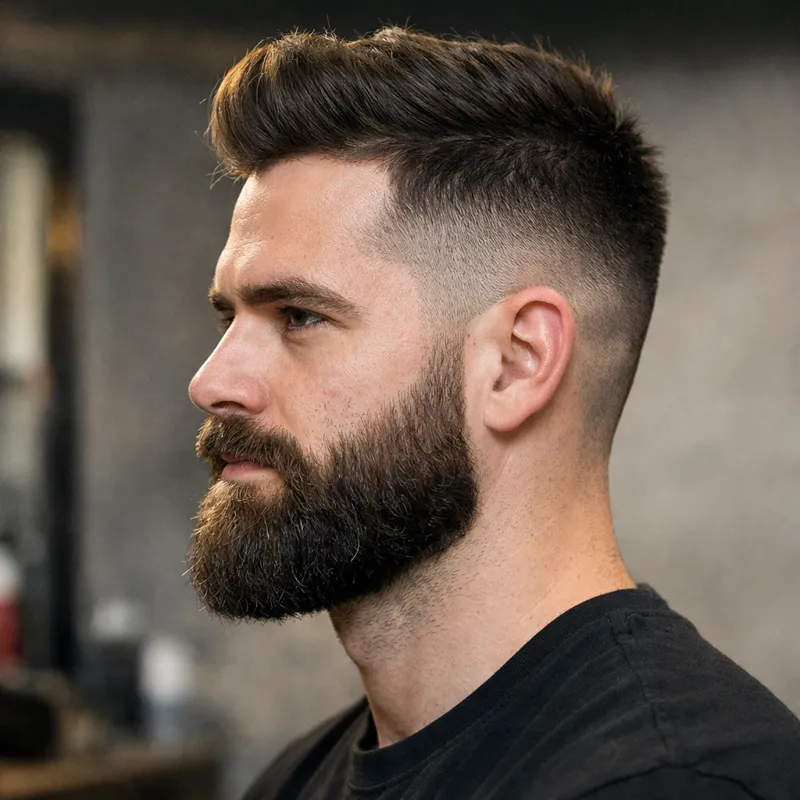
A clean edge looks better when it matches your face shape and stays natural to your real hairline.
If you’re not sure which shape suits you, default to natural or soft-rounded. Squaring corners looks sharp — but it’s also the fastest way to make a small mistake obvious.
How to line up hair with an Andis trimmer (safe method that prevents mistakes)
This is the method that avoids the #1 DIY disaster: pushing your hairline back because you chased a “perfect” edge. The goal is a clean outline, not a new hairline.
Start dry, brush forward, find the true edge
Dry hair shows the real boundary. Brush the hairline forward so you see what’s actually there — not what you want to be there. If the hairline is uneven (most are), accept that and clean the outline gently.
Tap the line — don’t drag it
Use light pressure and short taps. Dragging a long line increases the chance you slip, curve, or bite into the hairline. Tapping keeps the result controlled and lets you correct symmetry as you go.
- Light pressure: pressing harder doesn’t make it “more professional.” It makes it riskier.
- Short strokes: build a clean edge in segments, then connect carefully.
Center first, then corners, then connect
Define the center point gently. Then define corners (if you want corners). Only after that should you connect. This prevents the common mistake of dragging one side too far while trying to “match” the other.
Step back every 20–30 seconds
Up close, you’ll over-correct. Step back, look at the full face, and check if the line reads even. Symmetry is a distance decision — not a nose-to-mirror decision.
- Check under two lighting angles (overhead + front light).
- Use a second mirror for the neckline and ear area if you’re DIY.
Maintenance that keeps your Andis hair trimmer cutting smooth
Most “my trimmer is bad” complaints are actually maintenance problems: a blade packed with hair, a dry blade, or a workflow that creates heat. Use this simple routine to keep your edges crisp and reduce pulling.
The 2‑minute after-use routine
- Brush out hair: clean between teeth and behind the blade area.
- Oil lightly: 1–2 drops across the teeth (don’t flood it).
- Run briefly: a short run distributes oil and improves smoothness.
- Wipe excess: keeps your next lineup clean and avoids residue.
2‑Minute Maintenance Timer (tap and follow along)
This timer is built for real life: start it right after you finish edging so you actually do the routine. The countdown is purely local (no tracking, no forms).

A sharp look is mostly routine. The tool performs better when you treat it like a tool — not a disposable gadget.
Buying tips: avoid regret purchases and counterfeit tools
If a deal looks unreal, be cautious. Counterfeit grooming tools exist, and they usually show up as “too cheap” listings with questionable packaging and missing documentation.
Fast “real vs risky” checklist
- Price: if it’s drastically cheaper than everywhere else, assume risk.
- Packaging: spelling errors, low-quality printing, or odd branding changes.
- Documentation: missing care guide or warranty info is a red flag.
- Seller behavior: vague photos and “no box” excuses are common warning signs.
A smarter way to buy (and not waste money)
Don’t buy a trimmer because the internet says it’s “best.” Buy it because it matches your lane: your goal, your skin, and your skill level.
If you’re unsure, use the Trimmer Finder above, then shortlist two lanes: one “safe control” option and one “maximum sharpness” option. Start with control.

A clean finish is a mix of good tools and good technique. If you want perfect edges fast, a barber is the shortcut.
FAQs about Andis hair trimmers
These answers are built for real-world use: what to buy, how to avoid irritation, and how to get clean edges that look natural.
Are Andis hair trimmers good for lineups?
Yes — Andis trimmers are widely used for outlining and finishing. The key is choosing the right lane: a classic outliner style for steady edging, a cordless outliner lane for easier angles, or a lightweight detailer lane if you want maximum control and fewer mistakes. Your result depends on technique as much as the tool.
What’s the best Andis hair trimmer cordless option?
The best cordless option depends on your goal. If you want a traditional outliner feel without the cord, choose a cordless outliner lane. If you want easier detailing and visibility, choose a modern precision lane. If you’re a beginner or sensitive-skin, a lightweight detailer lane is often the best first pick.
How do I avoid pushing my hairline back?
Don’t “excavate” the hairline. Work dry, brush hair forward, and clean the outline using short taps. Define the center first, then corners, then connect. Step back often and stop when you feel tempted to do “just one more pass.” Over-pushing comes from repeated passes and trying to force symmetry up close.
Why does my trimmer pull hair instead of cutting clean?
Pulling is usually maintenance: hair packed into the blade, a dry blade (needs oil), or a blade that’s misaligned or worn. Clean and oil first. Then reduce pressure and use fewer passes. A sharp edge should come from controlled technique, not force.
Can I use an Andis hair trimmer on my beard?
Yes. Trimmers are commonly used to shape beard lines and clean necklines. If you get bumps, avoid chasing maximum closeness. Use light pressure, minimize passes, keep the blade clean and oiled, and consider a more comfort-focused lane over an aggressive setup.
Is zero-gapping necessary for sharp edges?
No. You can get crisp lines without zero-gapping if your technique is solid. Zero-gapping can cut closer, but it also increases the risk of irritation and nicks if you set it incorrectly. For most people, better lighting, lighter pressure, and fewer passes create a bigger upgrade.
Cordless vs corded: which is better for home lineups?
For DIY lineups, cordless often wins because you can hold the correct angle without fighting a cord — especially around the ears and neckline. Corded wins if you want steady “always-on” sessions and you don’t want to think about charging. Choose based on how you’ll actually use it.
How often should I oil my trimmer blade?
A simple rule: oil after each use (or at least after longer sessions). Oiling reduces friction, improves smoothness, and can help reduce irritation. The 2‑minute timer above makes it easy to stay consistent.
What’s the easiest Andis trimmer lane for beginners?
Beginners usually do best with a lightweight detailer lane because it improves control and reduces the chance of over-cutting. If you’re sensitive-skin, this lane is also typically easier to tolerate. Use the Trimmer Finder to confirm based on your goals.
What if I want a perfect lineup for an event?
If the result must be perfect, a barber is the highest-confidence option. Trimmers are skill tools: they pay off over time, but they don’t guarantee perfection on a deadline. Use a barber for the event, then practice at home for long-term control.
Want barber-grade edges without trial-and-error?
Use the tools above if you’re learning. If you want the cleanest result fast, book a barber and bring a reference photo. The best haircut is the one you can repeat.