
Wahl 5-Star Cordless Magic Clip: the barber-style clipper built for fades, blending, and clean transitions
If you’re searching for Wahl 5 Star Magic Clippers Cordless, you’re probably after one thing: a cordless clipper that feels fast, controlled, and predictable when you’re removing bulk and erasing lines. This page gives you a complete, practical guide—plus interactive tools you can use right now—to decide if the Wahl 5-Star Cordless Magic Clip clipper fits your routine.
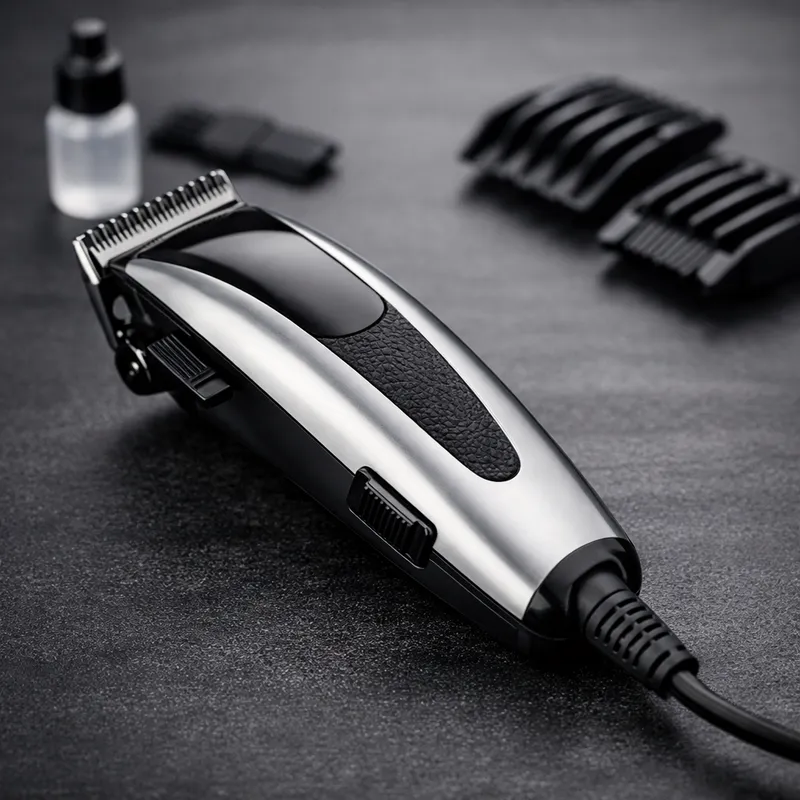
Practical guide + tools: guard chart, fade plan builder, maintenance schedule, and troubleshooting.
What you’ll get on this page
A complete, no-fluff breakdown of how the cordless Magic Clip behaves in real cuts, what it’s best at, what it’s not ideal for, and how to set it up for consistent fades.
Who this guide is for
Beginners who want fewer mistakes, intermediate cutters chasing cleaner blends, and anyone comparing a Wahl 5 Star series cordless Magic Clip clipper against other popular options.
Unique tools (not just text)
Use the guard-length converter, build a fade plan in seconds, and generate a maintenance schedule that matches how often you actually cut.
Jump to what you need
Quick navigation helps you find the exact answer fast (and keeps your cut moving).
What makes the Wahl 5‑Star Cordless Magic Clip different?
The Magic Clip has a reputation because it’s engineered around blending. In a fade, the hardest part isn’t removing hair—it’s removing evidence: the faint lines that make a cut look unfinished. That’s why the cordless Magic Clip is often described as a “fade-first” clipper.
While details can vary slightly by edition and release, most models in the Magic Clip cordless family share a few defining traits:
- Fade-focused blade geometry. Many versions use a fade blade design that helps soften transitions, especially when you’re working with lever-open/lever-closed technique.
- Fast feedback while cutting. Users love it because it feels responsive—when you’re flicking out a line, you can “read” what the clipper is doing and adjust quickly.
- Cordless freedom without feeling sloppy. A good cordless clipper should feel controlled, not underpowered. The Magic Clip is popular because it typically stays stable through normal fade work and bulk removal.
- Ergonomics for longer sessions. It’s generally designed to sit comfortably in the hand—important when you’re doing multiple passes to perfect a blend.
Reality check (so you don’t waste money): no clipper erases lines by itself. The Magic Clip can make blending easier, but clean fades still come from sectioning, consistent lever control, and patience with detail passes.
How it cuts (the feel)
The cordless Magic Clip is usually described as smooth and forgiving for fades. That “forgiving” part matters: when you’re learning, it’s easy to press too hard, rush sections, or jump guard sizes. A clipper that blends well can reduce the visual penalty of small mistakes—so your results look better sooner.
Many barbers rely on it as a daily driver because it’s efficient for blending while still being capable enough for bulk removal. If your goal is an everyday men’s cut—tapers, mid fades, textured crops, and clean side profiles—it’s built for that.
The cordless advantage (and the trade-off)
Cordless is about movement. It helps you keep a consistent angle around the head without fighting a cable—especially on the occipital bone, around the ear, and when you’re detailing the neckline.
The trade-off is simple: batteries age. Even a great cordless clipper can feel weaker over time if it’s charged improperly, stored badly, or left plugged in constantly. That’s why this page includes a maintenance planner to protect performance.
Is the Wahl 5‑Star Magic Clip Cordless the right clipper for you?
Don’t buy a clipper based on hype. Buy based on your use case. Below is a practical filter that works for both home users and barbers.
It’s a strong match if you…
- Want cleaner fades without spending forever “chasing” lines.
- Cut regularly (weekly or bi-weekly) and want a cordless workflow.
- Prefer a clipper that responds well to lever-open/lever-closed blending.
- Need a reliable all-rounder for tapers, mid/high fades, and short textured styles.
- Like having plenty of guard options for gradual transitions.
Consider a different setup if you…
- Need heavy-duty bulk removal all day (you may prefer a more “power-first” clipper).
- Want ultra-close edging/line-ups (that’s usually a trimmer’s job).
- Cut very coarse, dense hair constantly and prioritize maximum torque.
- Only cut once every few months (you may not benefit from a pro-grade cordless).
Note: editions and bundles can differ (blade type, included guards, and accessories). Always verify what’s included before you buy.
Guard chart + lever positions: the foundation of a clean fade
When people say “the Magic Clip blends,” what they usually mean is this: it plays nicely with micro-adjustments. Your taper lever lets you move between lengths without switching guards every 20 seconds, and that’s exactly how you erase lines rather than stacking them.
Pro habit: treat the lever like a dial, not a switch. If you only use “open” and “closed,” you’re leaving easy blending on the table.
Common guard lengths (quick reference)
These are standard approximations used across many clipper guards. Always confirm your specific guard set, because brands and “premium” guards can vary slightly.
| Guard | Approx. length (mm) | Approx. length (inches) |
|---|---|---|
| 0.5 | 1.5 mm | ~1/16″ |
| 1 | 3 mm | ~1/8″ |
| 1.5 | 4.5 mm | ~3/16″ |
| 2 | 6 mm | ~1/4″ |
| 3 | 10 mm | ~3/8″ |
| 4 | 13 mm | ~1/2″ |
| 5 | 16 mm | ~5/8″ |
| 6 | 19 mm | ~3/4″ |
| 7 | 22 mm | ~7/8″ |
| 8 | 25 mm | ~1″ |
Tool: Guard length converter (fast)
Tip: use this tool while planning your cut so you don’t jump lengths too aggressively.
Fade guide: how to get cleaner blends with a cordless Magic Clip
A good fade isn’t about speed. It’s about sequence. Most “bad fades” happen when the steps are out of order: the baseline isn’t set cleanly, sections aren’t consistent, and the cutter keeps changing guard sizes randomly to fix a line. The result looks patchy—and the cut takes longer.
Use this workflow as a reliable baseline. Then customize it with the Fade Plan Builder further down the page.
Step-by-step (repeatable workflow)
- Set your guideline. Decide low / mid / high and create your first baseline with a consistent motion.
- Work up in zones. Move upward using controlled sections—don’t chase random spots across the head.
- Blend using lever positions. Use half-open positions to erase lines before changing guards.
- Detail with smaller steps. When a line fights back, reduce the “jump” (smaller guard change, smaller section).
- Finish with symmetry checks. Step back, compare both sides, then polish the temple + neckline.
Common mistake: pressing harder to “force” the line out. Hard pressure creates new lines. Instead, lighten your touch and use a gentle flick-out motion with the corner of the blade.

The visual goal: soft transitions with no harsh “steps” between zones.
Zero-gapping: should you do it?
Many people hear about “zero-gapping” and assume it’s mandatory. It’s not. Zero-gapping can make a clipper cut closer, but it also increases the risk of irritation or nicks if you’re heavy-handed. If you’re a beginner, get consistent fades first. Then consider closer setups only if you truly need them.
Safety note: if you do adjust blades, do it carefully and test on a less sensitive area first. Improper blade alignment can scratch skin.
Tool: Fade Plan Builder (guard sequence + lever hints)
This is the fastest way to turn “I want a fade” into a step-by-step plan you can actually execute. Choose the fade height, the bottom finish, and the top length—then get a structured sequence with lever guidance.
Build your plan
This plan is designed for “Wahl-style” guard systems and a typical adjustable clipper workflow. Adjust section size and pressure for your hair type.
Maintenance: keep your cordless Magic Clip cutting like day one
The fastest way to ruin a good clipper is simple: treat it like it’s indestructible. Most “my clipper is pulling hair” issues come from dull blades, packed hair, lack of oil, or misalignment—not because the clipper is “bad.” Maintenance is what protects your performance and your skin.
The 60-second routine after every cut
- Brush out the blade. Hair trapped between teeth is the #1 cause of pulling and heat.
- One to two drops of oil. Too much oil attracts debris; too little increases friction.
- Quick run + wipe. Run the clipper briefly to distribute oil, then wipe excess.
- Store dry. Moisture + hair dust becomes grime (and that shortens blade life).
Barber-level detail: disinfecting matters. If you cut multiple people, use proper disinfectant products and follow label directions. (This protects skin and reduces irritation.)

A pro result comes from a pro routine: clean tools, sharp blades, consistent technique.
Tool: Maintenance planner (based on how often you cut)
Battery tip: don’t store a cordless clipper dead-flat for long periods. Charge practices affect battery longevity.
Troubleshooting: quick fixes for common Magic Clip cordless problems
If your results suddenly got worse, don’t panic. Most issues are mechanical and fixable. Use this section like a diagnostic checklist.
If it’s pulling hair
- Clean the blade channels (hair packed between teeth causes snagging).
- Oil lightly (dry blades pull and heat up).
- Check blade alignment (misalignment can snag and irritate skin).
- Slow down on dense areas (multiple light passes beat one hard pass).
If you keep getting harsh lines
- Reduce section size and blend line-by-line instead of jumping guards.
- Use the lever in small increments (half-open positions are your friend).
- Lighten pressure and use a flick-out motion.
- Finish with a detail pass using the corner of the blade.
If it feels weaker than before
- Clean + oil first (performance drops fast when friction rises).
- Charge fully and test again (battery health matters over time).
- Inspect your blade for dullness (dull blades feel “weak”).
- Don’t cut through wet, heavy product (it gums the blade and slows cutting).
If it gets hot
- Heat usually means friction: clean, oil, and reduce pressure.
- Let it rest between long passes on very dense hair.
- If you cut multiple heads back-to-back, rotate tools when possible.
Most underrated fix: slow the clipper down by speeding yourself up. Rushing causes pressure, pressure causes lines, lines cause more passes, and more passes cause heat. Calm cuts finish faster.
Alternatives & comparisons: when to choose something else
Search intent around this topic is often comparison-driven. People looking for “Wahl 5 star gold cordless Magic Clip clipper” or “Magic Clip vs Senior” usually want a simple answer: Which tool matches my priorities?
A simple decision framework
- If fades and blending are your main goal: the cordless Magic Clip is commonly chosen as a fade-first clipper.
- If you want maximum bulk removal: consider a clipper known for power-first cutting, then pair it with a blending-friendly tool.
- If line-ups matter most: add a dedicated trimmer (a clipper is not the same tool).
- If you travel a lot: cordless is a win—just prioritize safe storage and consistent charging habits.
Best setup for most people: one reliable cordless clipper for fades + one trimmer for edges. That combo covers 95% of real-world needs.
Note: “Gold” and special editions are often cosmetic or bundle-based. Sometimes they ship with different blades or accessories. Always verify the exact kit contents before you buy.
FAQs about the Wahl 5‑Star Cordless Magic Clip
These questions are written to match what people actually search before buying or learning to fade. Each answer is designed to be practical—not generic.
Is the Wahl 5-Star Cordless Magic Clip good for beginners?
What’s the difference between the Magic Clip and a trimmer?
Do I need to zero-gap the Magic Clip cordless?
How long does the battery last?
Why does my clipper feel like it’s pulling hair?
What guard set should I use?
Can I use the Magic Clip for beard trimming?
How often should I oil the blades?
Magic Clip vs other Wahl 5-Star cordless models: what should decide it?
Want a faster decision? Use the Fade Plan Builder and copy the checklist in seconds.