
Pick the Right Philips Hair Trimmer — Then Cut Your Hair at Home Without Guesswork
This guide is built for people who search “Philips hair trimmer” or “Philips Norelco hair trimmer” because they want one thing: a clean, consistent result. You’ll get clear recommendations by goal, a guard-length cheat sheet, step-by-step haircut instructions, and a few small tools to help you decide faster.
- Model clarity: what to buy for buzz cuts, maintenance, fades, thick hair, and travel.
- Practical haircut steps: how to avoid patchy spots, harsh lines, and uneven sides.
- Maintenance & troubleshooting: keep your Philips trimmer cutting smoothly for the long run.
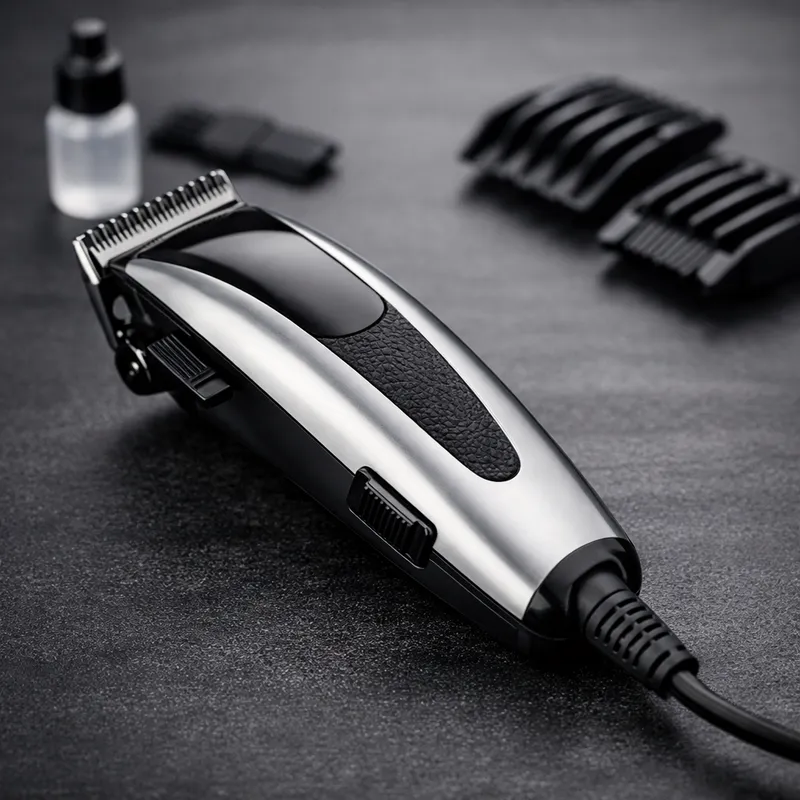
Fast reality check: if your goal is a full haircut (not just a neckline cleanup), look for a hair clipper-style device with stable guards and enough length range. “Trimmer” is often used as a generic word, but the tool category matters.

Quick Picks: The Best Philips Hair Trimmer Choice by Goal
If you want a fast answer, use this section. If you want the best answer, use the toolkit right after it. Philips names and features can vary by country and model number, so think in terms of your goal first, and features second.
For frequent DIY haircuts: Philips Hairclipper Series 9000
Best if you cut your hair often and you care about clean, repeatable results. Look for models that emphasize precise length control, strong motors, and durable blades. This is the line to consider when you want a trimmer that feels “effortless” on thick growth and doesn’t force you to rush.
For home maintenance and simple cuts: Philips Hairclipper Series 5000
The practical starting point. Great for buzz cuts, tidy-ups, and short back-and-sides maintenance. Prioritize a wide length range (especially up to the mid‑20s mm) and guards that feel stable and consistent.
For thick hair and smoother cutting: Philips Hairclipper Series 7000
A strong mid-range option when your hair is dense, fast-growing, or prone to tugging with weaker clippers. In many markets, this line highlights features meant to adapt to hair density and keep the cut even.
For basic trimming with no battery stress: Philips Hairclipper Series 3000 (corded)
If you want simple and dependable, corded can be the most frustration‑free choice. It’s not glamorous, but it’s consistent — and consistency is what prevents “I messed up my hair” moments.
For head + beard + body touch-ups: Philips Norelco Multigroom
Ideal for travel and detail work (neckline, sideburns, quick cleanups). If you want full haircuts often — especially longer top lengths — a dedicated hair clipper is usually easier.
For keeping fades sharp between barbers
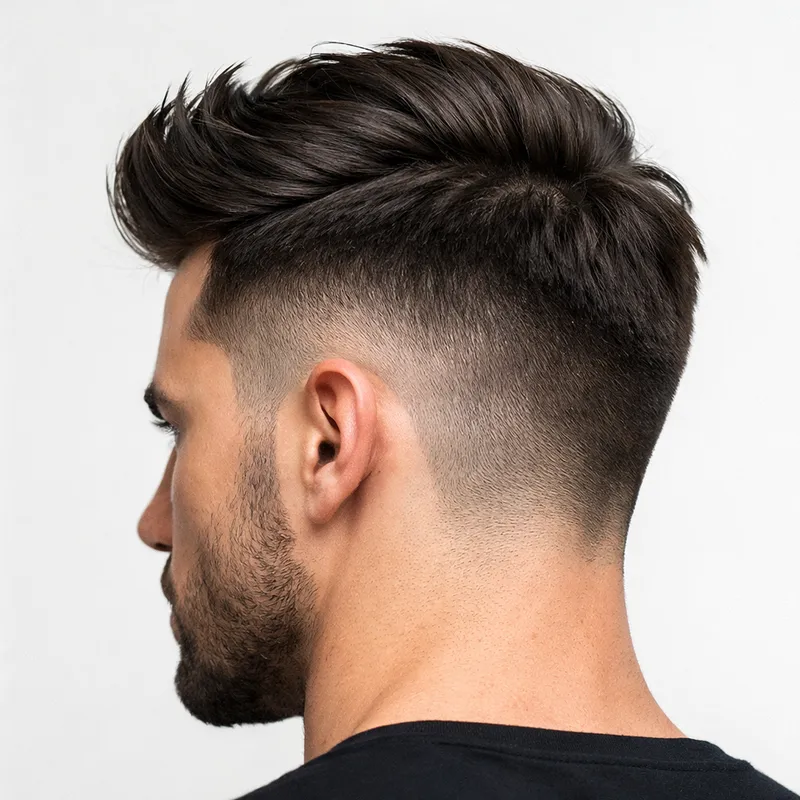
Fades are about controlled transitions. If you’re maintaining (not creating) a fade, you mainly need consistent short lengths on the sides and a clean neckline. Use a clipper for bulk, and a detail trimmer for edges if you want the sharpest outline.
Important: “Philips hair trimmer” can mean two different tools
Many people search “trimmer” but actually need a hair clipper. A clipper is built for evenly cutting larger areas of scalp hair (guards + speed). A trimmer is built for precision detail (edges, neckline, sideburns). If your goal is a full cut at home, start by choosing a clipper‑style Philips model.
If you’re unsure, use the toolkit below — it turns your goal into a practical recommendation.
Philips Trimmer Toolkit (Interactive)
These tools are built to reduce decision fatigue. They’re simple on purpose — the goal is to help you choose a length, pick a Philips series category, and walk into your DIY cut with a plan.
1) Philips Series Finder (60 seconds)
Your recommendation appears here.
Select your goal and click Show my best match.
Note: Philips naming and exact features vary by region and model number. Use this tool to pick the right category, then verify your exact model’s specs before buying.
2) Guard Length Converter (mm ↔ guard)
10 mm is roughly a #3 guard in many clipper systems.
If you’re unsure, start longer. You can always go shorter — but you can’t undo “too short.”
- Buzz cut safe start: 13 mm (#4)
- Crew cut maintenance: sides 6–10 mm (#2–#3), top 13–19 mm (#4–#6)
- Tidy-up only: keep the top, clean neckline & around ears
A faster way to pick lengths (no overthinking)
Choose your haircut style first, then set lengths: Buzz = one length. Crew = shorter sides + slightly longer top. Short taper = gradual drop in length toward the neckline.
If your hair grows fast, pick a slightly longer setting so the cut looks good for longer.
3) DIY Haircut Plan Builder (copy + email to yourself)
Your haircut plan will show here.
Click Generate my plan to create step-by-step instructions.
Tip: If you’re using a Philips Multigroom for head hair, keep expectations realistic — it’s excellent for edges and small areas, but full head cuts are usually easier with a dedicated hair clipper.
4) DIY Cut Checklist (prevents mistakes)
Most bad DIY cuts come from rushing, choosing the wrong length first, or trimming blind without a method. Use this quick checklist so your haircut looks intentional, not accidental.
Buying Guide: How to Choose the Right Philips Hair Trimmer (Without Regret)
A good Philips hair trimmer is not “the one with the most features.” It’s the one that fits your haircut style, your hair type, and how often you’ll actually use it. Use the principles below and you’ll make a smart choice even when model names vary.
1) Length range is the real decision
For most men, the biggest difference between a frustrating clipper and a great one is how easily you can hit your target length. If you keep your hair short: you need consistent control from very short settings up to about 10–13 mm. If you keep more length on top: you’ll want a guard system that reaches the mid‑20s mm so you can keep the top tidy without going too short.
If you only learn one rule: start longer, then step down. That single habit prevents almost every DIY haircut disaster.
2) Decide: clipper vs trimmer vs all‑in‑one
Clippers are designed for full head haircuts (fast, stable guards). Trimmers are designed for detail work (edges, neckline, sideburns). All‑in‑one kits can be excellent if you want one tool for multiple grooming tasks — but they can be slower or less comfortable for frequent full haircuts.
If you want consistent head cuts, choose a clipper‑style Philips model first, then add a detail trimmer only if you want sharper outlines.
3) Thick hair needs stability, not brute force
Thick hair punishes weak tools. If your hair is dense, you’ll benefit from a Philips category aimed at smoother cutting, stable guards, and reliable power delivery. That’s why many people with thick hair prefer stepping up from entry-level lines. Your goal is not “the strongest motor.” Your goal is even cutting without tugging.
4) Washable vs waterproof matters (and avoids mistakes)
“Washable” typically means you can rinse the cutting unit for cleaning. “Waterproof/showerproof” means it’s designed for wet environments. Don’t assume they’re the same. Cleaning instructions also matter because harsh cleaning can reduce performance over time.
5) The most conversion-friendly advice: buy for your use case
If you want the best experience long-term, don’t buy based on a single feature like “battery life” or “number of settings.” Buy based on the haircut you want to maintain. A tool that fits your routine gets used. A tool that doesn’t fit ends up in a drawer.
Philips Guard Length Cheat Sheet (mm to Guard Numbers)
Philips frequently uses millimeters for length settings. Many people still think in “guard numbers.” Use this as a practical translation — and remember: mm is more precise, and exact results depend on hair type and technique.
| Common name | Approx length | What it’s good for |
|---|---|---|
| No guard / blade | ~0.5 mm | Neckline cleanup, tight outline (advanced) |
| #0.5 | ~1.5 mm | Very short sides, sharp contrast styles |
| #1 | ~3 mm | Short sides, low‑maintenance look |
| #2 | ~6 mm | Classic “short sides” range |
| #3 | ~10 mm | Safe sides length for many men |
| #4 | ~13 mm | Buzz cut safe start / longer sides |
| #5 | ~16 mm | Short top maintenance, softer look |
| #6 | ~19 mm | Crew cut tops, easy growth phase |
| #7 | ~22 mm | Longer top upkeep, less “freshly cut” look |
| #8 | ~25 mm | Longer top maintenance, careful blending |
Above ~25 mm, “guard numbers” become less standard across brands. If you’re using Philips mm settings, stick with mm for clarity.
Length selection that looks good on most men
If you’re stuck, use one of these proven starting points:
- Safe buzz cut: 13 mm all over (~#4). If you want shorter, step down to 10 mm (~#3).
- Crew cut maintenance: sides 6–10 mm (~#2–#3), top 16–19 mm (~#5–#6).
- Tidy-up only: keep your top length, clean around ears and neckline on a short setting.
Pro‑looking cuts come from consistency. Choose a length you can repeat every time and your hair will always look “kept.”
How to Cut Your Hair with a Philips Hair Trimmer (Step-by-Step)
This method is designed for normal people — not barbers. It prioritizes evenness, symmetry, and mistake prevention. If you follow it in order, your result will look clean even if it isn’t “barber perfect.”
- Prep your setup: dry hair, good lighting, and a mirror arrangement that lets you see the back. Wear an old t‑shirt or use a towel/cape.
- Start longer than you think: choose a higher length and do a full pass. You can always step down later.
- Sides and back first: trim against hair growth using steady strokes and light pressure. Keep the guard flat against your head so the cut stays even.
- Do the top last (if you’re trimming it): move slowly and overlap passes. If your top is significantly longer than guard lengths, consider scissors for the top and clippers for the sides.
- Blend the transition: if your top is longer than your sides, move one “step” up in length at the boundary so the transition looks softer.
- Neckline and around ears: for a natural finish, keep it soft. For a cleaner outline, be conservative — sharp lines show every mistake.
- Final symmetry check: compare left vs right sideburn height and temple area. Fix small inconsistencies before going shorter.
- Clean the cutting unit: remove hair buildup after the cut. A clean trimmer performs better and feels better.
The mistake that ruins most DIY haircuts
Cutting too short too early. If you only have patience for one discipline: complete one full pass on a longer length before you lower it. That single step is the difference between a clean cut and an emergency hat week.
Use the Plan Builder above if you want the steps written out for your exact lengths.

Can a Philips hair trimmer do fades?
Maintaining a fade is much easier than creating one from scratch. If you’re new, focus on keeping the fade clean: consistent short sides, a tidy neckline, and balanced sideburns. If you want a perfect fade every time, get the fade done by a barber and maintain it at home.
3 Beginner-Friendly Haircut Templates (That Don’t Look Like Mistakes)
These templates exist for one reason: they’re forgiving. They grow out well, they’re easy to repeat, and they don’t require advanced blending skills to look intentional.
1) The Safe Buzz Cut
Choose one length and keep it consistent. Start around 13 mm (~#4) if you’re unsure. Want it tighter? Step down to 10 mm (~#3) after a full pass. This cut is the fastest way to look “fresh” with minimal skill.

2) Crew Cut Maintenance
Use 6–10 mm (~#2–#3) on the sides and 16–19 mm (~#5–#6) on top. The secret is not perfection — it’s a consistent top length with tidy sides that frame your face.

3) The Short Taper (Most Forgiving)
Keep the top as‑is or lightly trim it, and focus on a neat taper at the neckline. This is the best “between barber visits” cut: it’s subtle, it grows out well, and it makes your haircut look intentional again.
Want an even better result?
Get a professional haircut once, then maintain it. That combination is the highest ROI approach: you get barber structure, and the Philips hair trimmer keeps it clean for weeks.
Cleaning & Maintenance (How to Keep Your Philips Hair Trimmer Cutting Smoothly)
Most “my trimmer isn’t cutting” problems come from one thing: hair buildup. Maintenance is not optional if you want consistent results. Clean the cutting unit after each use, and treat the blades like a precision tool.
Washable vs waterproof: don’t assume
Some devices are designed to be rinsed for cleaning. Others are built for wet environments. These are not automatically the same. Use the instructions for your specific Philips model and avoid harsh cleaning that can reduce performance over time.
Oiling: do it only if your model recommends it
Some models come with oil or include oiling instructions. Others do not require it. The right move is simple: follow your model’s guidance. Random “extra oil everywhere” is not automatically better.

Performance checklist (quick)
- Remove hair from the cutting unit after each cut.
- Make sure guards click on securely before trimming.
- Charge fully if your cordless performance feels weaker than usual.
- If cutting feels rough: slow down and use lighter pressure first (technique fixes more than people think).
Most trimmers feel “new again” after a proper clean. Don’t underestimate that.
Troubleshooting: Fix the Common Philips Hair Trimmer Problems
Here are the issues people Google after buying a trimmer — and the practical fixes that usually work. This section is designed to keep you from bouncing to five different pages.
It won’t turn on
Check power first (charge/cord). If it’s a model designed for wet use, it may be intentionally limited to cordless operation for safety. Also confirm the attachment is seated properly — some tools won’t behave normally if parts aren’t fitted correctly.
It turns on, but cuts poorly
Clean the cutting unit and remove trapped hair. Make sure the guard is not clogged. If your model requires oiling, do it as recommended. Then try again with slower strokes and lighter pressure.
Uneven cut / patchy sides
This is usually technique: moving too fast, pressing too hard, or not keeping the guard flat. Do one full pass, then check symmetry, then step down. Overlap strokes instead of “carving.”
Harsh line between top and sides
Use a “middle length” at the boundary. For example, if sides are 10 mm and top is 19 mm, use 13–16 mm just at the transition area to soften the line.
It tugs or snags
Thick hair needs patience. Slow down, take smaller sections, and keep the unit clean during the cut. If tugging is frequent, consider stepping up to a Philips category aimed at smoother cutting for dense hair.
Battery feels weaker than expected
Fully charge, then do a complete cut. If your hair is very dense, cordless tools can feel weaker near the end of charge. If you hate mid-cut anxiety, consider corded models.
FAQs About Philips Hair Trimmers (Philips Norelco)
These questions are chosen because they match real search intent — and because the answer changes what you should buy or how you should cut.
Is Philips Norelco the same as Philips?
Which Philips hair trimmer is best for cutting your own hair?
Can I use a beard trimmer to cut my head hair?
What length should I start with for a DIY haircut?
How do I avoid harsh lines and uneven patches?
Can a Philips hair trimmer do a fade?
Why does my Philips trimmer cut worse over time?
What’s the best approach if I’m nervous about messing up?
Conversion note (without a form)
If you want a personalized recommendation, use the Plan Builder tool and email it to yourself. If you prefer a professional finish, get the haircut once and maintain it — it’s the fastest way to look sharp all year.
Disclosure: This guide is independent and informational. Philips is a trademark of Koninklijke Philips N.V. (or its affiliates).