
Stop guessing. Pick the right Conair trimmer for your routine — then trim like it was done by a barber.
When people search “conair trimmer”, they usually want one thing: a sharp, controlled result without tugging, patchy spots, or a neckline that ends up too high. This page gives you a fast decision path, technique that actually works, and a realistic maintenance routine.
-
Choose in 60 secondsCorded vs rechargeable vs battery-powered — matched to your goal.
-
Trim faster, mess-freeSimple strokes, safer lines, fewer “fixes” after the fact.
-
Prevent pulling & irritationCleaning + oiling habits that make trimmers feel “new” longer.
-
Barber-grade finish optionIf lines are your weak point, you can skip DIY and get it done clean.
Note: This guide is educational and not affiliated with Conair. Model availability and included accessories can vary by retailer and region.
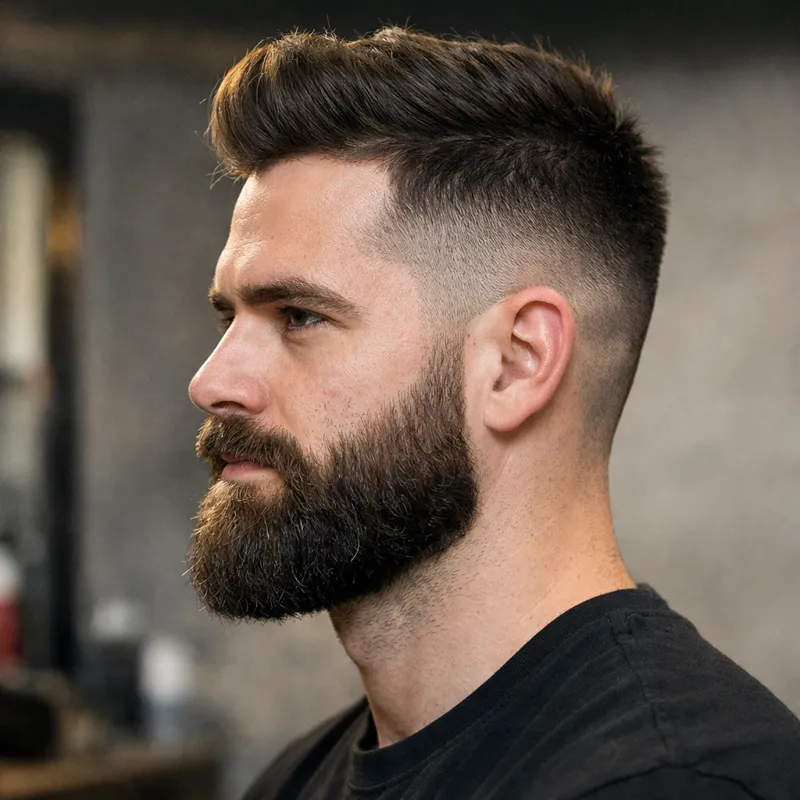
Quick picks: the best Conair trimmer type for your routine
Don’t start by chasing the “best model.” Start by matching the power style and guard system to how you actually groom. The right pick feels easy. The wrong pick feels like constant “fixing.”
Corded ConairMAN beard & mustache trimmers
If you trim at home and want consistent power every time, a corded Conair trimmer is the simplest “always ready” option. It’s the best fit for men who value reliability more than cordless convenience.
- Weekly beard maintenance
- Quick shape cleanups
- Men who hate charging routines
- Cord management while edging
- Guard stability (wobble = uneven length)
- Cleaning habits (tugging starts here)
Rechargeable Conair trimmers for beard shaping
Rechargeable trimmers are ideal when you trim often, travel, or simply prefer cordless control. The key is being honest about your routine: a rechargeable trimmer is great if you keep it charged.
- Frequent touch-ups
- Detail work without a cord
- Travel or gym bags
- First-charge instructions (varies by model)
- Battery aging over time
- Cleaning under the blade set
Battery-powered Conair all-in-one kits
If you want one compact tool for multiple zones (beard/mustache + nose/ear), an all-in-one kit can be a smart buy. The trade-off is usually less “premium feel” but more convenience per dollar.
- Travel kits
- Multi-zone grooming
- Men who want “one tool, done”
- Battery type can vary by model
- Use the right attachment for the job
- Oil the blades monthly for smoothness
Stubble-focused Conair trimmers
If your “beard” is really a stubble look, you don’t need 10 attachments — you need consistent short lengths, a guard that doesn’t slip, and a method that keeps your jaw and neck the same density.
- 0–5mm stubble routines
- Men who want a “designer stubble” look
- Frequent quick trims (3–4x/week)
- Length increments (smaller = better control)
- Neckline placement (most common mistake)
- Don’t chase “perfect symmetry” in one session
Conair trimmer vs clippers vs shaver: choose the right tool for the job
A lot of bad grooming results come from using the wrong tool. If you only remember one thing: trimmers are for controlled facial hair length and lines; clippers are for haircuts; shavers are for “smooth.”
| Tool | Best for | When it’s the wrong choice |
|---|---|---|
| Trimmer (Conair trimmer) | Beard length control, mustache shaping, neckline cleanups, edging, quick touch-ups. Ideal when you want a “kept” look without going to skin. | If you’re trying to cut head hair from long to short (that’s clipper territory), or if you want a totally smooth face (use a shaver). |
| Clippers | Haircuts, fades (with skill), bulk removal, guard-based head hair cutting. | If you want crisp beard lines and controlled facial hair length, clippers are usually too aggressive and bulky. |
| Foil/Rotary Shaver | A close, smooth finish on the face (skin-level). | If you still want any visible beard/stubble, a shaver will take you too far. |
Conair Trimmer Finder (interactive tool — no guessing)
This takes the most common Conair trimmer buying mistake off the table: buying based on “features” instead of your actual routine. Pick your goal and preferences below and you’ll get a practical recommendation, plus the trimming move that matters most for that choice.
Your profile → the right Conair trimmer type
Tap one option in each box. Your recommendation updates instantly.
1) What are you trimming most often?
2) What power style fits your life?
3) What matters most to you?
Your recommendation will appear here
Choose your options to get a clear trimmer type recommendation + a trimming move that prevents common mistakes.
A “better” trimmer won’t fix a bad method
Most trimming disasters aren’t caused by weak hardware — they’re caused by a method that removes too much too quickly. If you want consistent results with a Conair trimmer, follow two non-negotiables:
- Start long and step down. You can always remove more hair, but you can’t put it back.
- Outline first (cheeks + neckline), then trim length. This prevents “beard shrink.”
If you want the clean look with less trial-and-error, a barber finish is faster than fixing lines at home.
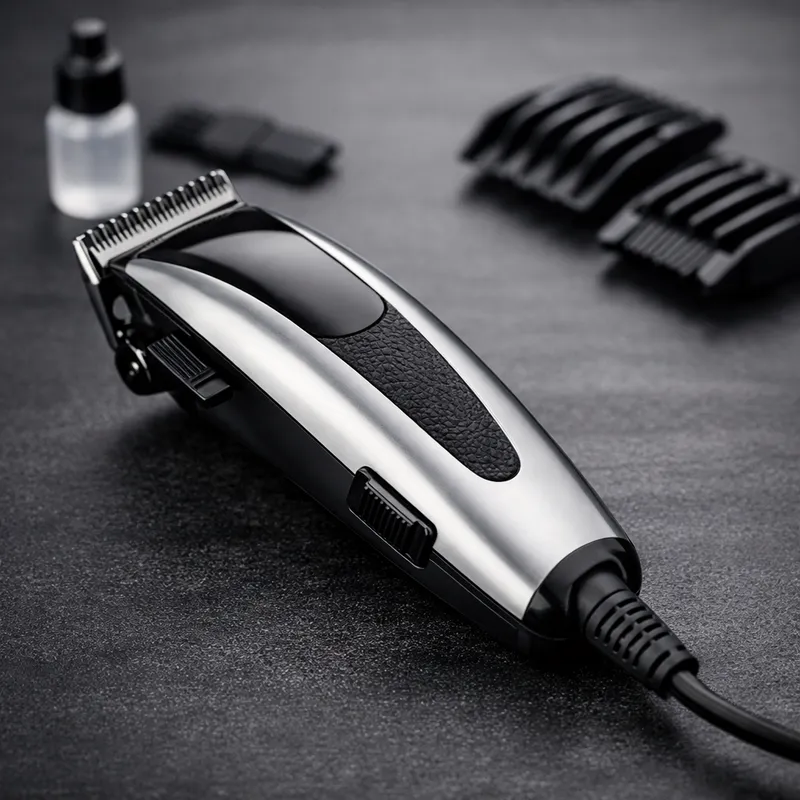
Trimmer results come down to: guard stability, blade care, and the order you cut (outline → length → detail).
How to use a Conair trimmer (the method that prevents patchy spots and overcut necklines)
The goal isn’t to trim “as short as possible.” The goal is to create a controlled, even look that matches your face. The fastest way to get there is to use the same order every time: prep → outline → length → blend → detail → clean.
The 6-step routine (works for most Conair beard trimmers)
- Prep the beard the right way. Wash or rinse if needed, then pat dry. Aim for clean and slightly damp or dry (not dripping wet). Comb in the direction your beard naturally grows so the hairs lie the same way before you cut.
- Outline first (this prevents “beard shrink”). Start under the jaw, then work upward toward the ears. Clean the cheek line by removing strays, not by carving a new face shape. Your outline should look intentional — not drawn on.
- Trim length starting long. Put on the longest guard/setting and trim with smooth, even strokes. Work from sideburns downward toward the chin. When the length looks consistent, step down one setting only where needed.
- Blend the jawline (most “home” trims skip this). If your kit includes jawline combs, use them. Short, controlled strokes under the jaw prevent the “helmet beard” look.
- Mustache: trim carefully, then outline. Trim from the top down. Don’t rush the center of the mustache — that’s where it starts to look thin. After length is right, remove the guard and lightly outline the bottom edge.
- Finish with detail + cleanup. Use bare blades for tiny touch-ups (not to reshape the entire beard). Then clean hair off the blades and store the trimmer dry.
What to look for in a Conair trimmer (so it feels smooth, not painful)
Whether you go corded, rechargeable, or battery-powered, these are the buying criteria that actually change the experience:
- Guard stability: if a guard slips, your beard becomes uneven fast.
- Blade maintenance access: removable blades are easier to clean properly.
- Attachment clarity: use beard guards for length, and a detail blade (or no guard) only for edges.
- Comfort over hype: tugging usually comes from dirt + dryness, not “weak motor.”
If you want the clean result with less technique learning, a pro trim is a straight shortcut.

Comfort tip: a soft beard trims more evenly. Basic beard care (wash, dry, brush, and a tiny amount of oil if needed) can reduce “catching” and help lines look cleaner.
Maintenance & troubleshooting (how to keep a Conair trimmer from pulling)
Most “my trimmer is bad” complaints are really maintenance problems. Facial hair is thick, oily, and full of tiny particles. If you don’t clean and oil the blades, the trimmer starts to feel rough — even if it’s a decent model.
Keep it smooth: the routine that takes 60 seconds
- After every trim: brush or tap loose hairs out of the blades and guard.
- Weekly (or when it feels rough): do a deeper clean — remove what you can safely remove and clear trapped hair.
- Monthly: add a tiny drop of clipper oil, spread it across the blades, then wipe excess. Too much oil can be messy and unhelpful.

Comb first. Trimming without combing is how you get uneven density — especially around the jaw and mustache.
Troubleshoot my trimmer (interactive)
Tap a symptom and you’ll get the most likely causes + the fastest fix.
Pick the symptom:
Get a fix in seconds
Choose a symptom. You’ll get the fast fix first, then the “why” so it doesn’t come back next week.
FAQs about Conair trimmers (answers that actually help)
These are the questions that come up when men buy a Conair trimmer, try it once, and don’t get the result they expected. Most fixes are simple — as long as you know what to look for.
Which Conair trimmer should I choose first?
Start with your routine, not the feature list:
- Corded if you want “always ready” power and simple weekly trims.
- Rechargeable if you want cordless control and you’ll keep it charged.
- Battery-powered all-in-one if you want a compact multi-zone tool (beard + nose/ear) for travel or convenience.
- Stubble-focused if you live under 5mm and want tight length control more than accessories.
If you want a recommendation tailored to you, use the Finder tool above and follow the “trim move that matters most” it gives you.
Why does my trimmer pull even though it’s “sharp”?
Pulling is usually caused by buildup or dryness:
- Hair is trapped under the blade set or inside the guard.
- Blades are dry (a tiny amount of clipper oil can help).
- You’re trimming too fast or pressing too hard (let the trimmer do the work).
- Your beard is too dry or tangled (comb first; consider basic beard care).
What’s the correct order to trim a beard?
Use the same order every time: prep → outline → length → blend → detail → clean. Outlining first prevents you from accidentally shrinking the whole beard while trying to “even it out.”
How do I avoid trimming my neckline too high?
Most men place the neckline too high because they’re trying to make the beard “look sharper.” A safer approach is to keep it natural and refine slowly:
- Clean the neck hair below the beard area, but don’t climb upward aggressively.
- When in doubt, leave more beard today and adjust later.
- If you want a crisp, balanced neckline in one try, that’s exactly what a barber does quickly.
Do I need to oil the blades?
If you want a smooth trim (less snagging and less heat), oiling helps. A small drop spread across the blades and wiping excess is enough. Over-oiling is not better — it’s just messy.
How should I trim my mustache with a Conair trimmer?
Comb the mustache in its natural direction first. Trim length carefully (top down) using a longer setting, then reduce in small steps. After length is right, remove the guard and lightly outline the bottom edge.
Are Conair trimmers good for sensitive skin?
Sensitive skin is less about brand and more about technique and maintenance. You’ll usually get better comfort by trimming slowly, keeping blades clean, and not pressing hard. If you still get irritation, avoid over-tight lines and let the skin calm between trims.
How do I keep a stubble look consistent?
Consistency is the entire stubble game:
- Use the same length setting across jaw and neck (don’t “freehand” the neck too short).
- Trim more frequently with smaller corrections (3–4x/week beats one heavy weekly trim).
- Don’t chase perfect symmetry in one session — you’ll overcut one side.
Should I buy an all-in-one kit or a dedicated beard trimmer?
Buy an all-in-one kit if you want convenience (beard + nose/ear) and a travel-friendly setup. Buy a dedicated beard trimmer if beard length control and shaping is your main priority and you want the simplest “best at one job” tool.
When should I stop DIY and go to a barber?
If your biggest problem is lines (neckline/cheek line) and you keep “fixing” until the beard gets smaller, it’s time. A pro trim resets the shape, then you can maintain it at home with fewer mistakes.
Want the clean look without the trial-and-error?
DIY trimming is totally doable — but if you want a perfectly balanced beard shape, clean lines, and a result that looks intentional in every angle, a professional trim is the fastest shortcut.
Practical reminder: Brand and model specs can change. Always check your specific trimmer’s manual for official instructions.

If your neckline and cheek lines are always the problem, a pro reset makes home maintenance easier.