
Looking for a BaByliss trimmer for beard grooming but don’t want to waste money on the wrong model? This page gives you a fast way to choose, plus a practical trimming method that makes your beard look sharper, more even, and deliberately styled — not “just trimmed”.
- ✓ Quick Picks for stubble, short, medium, and longer beards (no guesswork)
- ✓ A Trimmer Finder tool that matches you to the right BaByliss style in under a minute
- ✓ The 10‑minute trim method (length, neckline, cheek lines, finishing)
Independent guide for grooming education. “BaByliss” is a trademark of its respective owner. Always confirm exact specs in your model’s booklet, because bundles and names can vary by country.
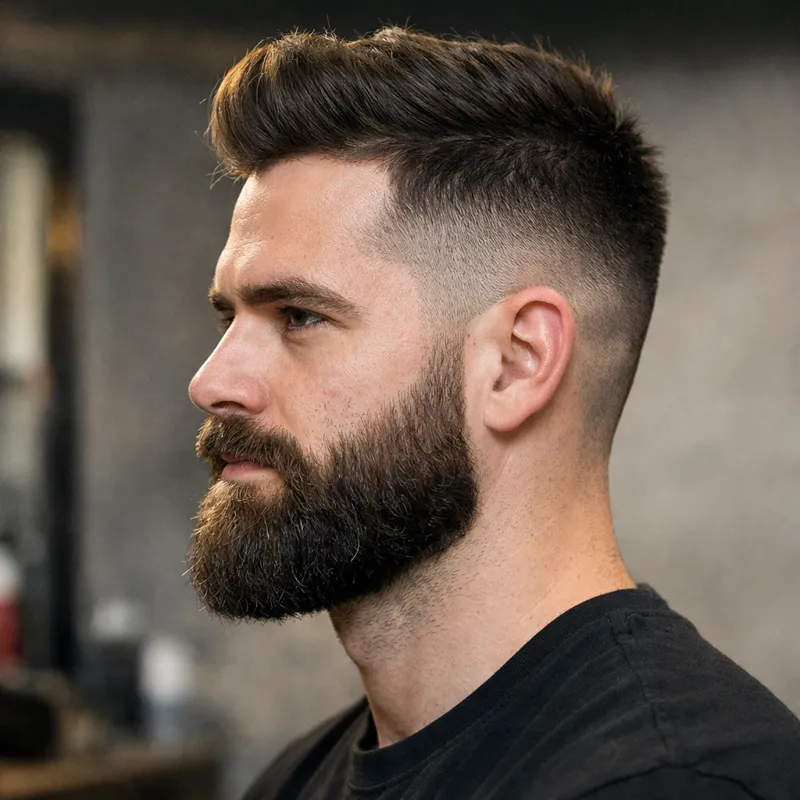
Quick Picks: Best BaByliss Beard Trimmer Type for Your Beard
Instead of drowning you in model numbers, this section matches you to the right BaByliss beard trimmer category. That’s the real decision that determines whether your beard looks even — or patchy.
Choose a BaByliss “stubble precision” style trimmer when you want consistent shadow or a sharp short beard. These are built around small increments so your beard doesn’t jump from “perfect” to “too short.”
- Ideal if you keep your beard under ~5mm most of the time.
- Look for a clear display, memory/lock, and easy rinse cleaning.
- Best results when you trim against growth with steady, light pressure.
If you want one tool that can handle “weekday stubble” and “fuller weekend beard,” pick a BaByliss trimmer style with wide coverage up to 10–12mm and a stable comb system.
- Best for men who change beard length across seasons.
- Look for sturdy comb guides and a comfortable grip.
- Bonus if it can detail without the comb for clean borders.
Longer beards fail for one reason: uneven bulk around the chin and jaw. A longer‑range BaByliss beard trimmer with stable lengths and a predictable dial helps you keep shape without surprises.
- Ideal if you live in the 6–12mm zone most weeks.
- Look for torque (no snagging) and a guard system that doesn’t flex.
- Trim in 2 passes: first even the sides, then balance the chin.
If you want a practical “do‑the‑job” solution, choose a BaByliss beard trimmer kit with multiple guides and a simple routine. This is the best option for beginners who want strong value without overthinking features.
- Great starter choice or a reliable backup/travel option.
- Keep it clean and oiled to prevent pulling.
- Use a separate detail tool later if you want sharper line‑ups.
If you care about that “I just left the barber” look, a dedicated outlining trimmer (often in the BaBylissPRO family) makes the biggest visible difference. Use it for borders, not for trimming your full beard length.
- Perfect for cheek lines, moustache edges, and neckline definition.
- Use slow, controlled strokes—precision beats speed.
- Optional but powerful if you want crisp symmetry.
Most “beard trimmer” pages sell a product. This one helps you make your beard look better with the tool you choose. The goal is a beard that looks intentional: even length, clean borders, and a shape that matches your face.
- Buying too short of a range for your beard style.
- Using the wrong technique (forcing the trimmer, cutting too fast).
- Skipping maintenance until the trimmer starts pulling hair.
Trimmer Finder: Match Your Beard to the Right BaByliss Beard Trimmer Type
Answer four questions and get a practical recommendation (plus a simple trimming plan). No emails, no forms — just a clean match based on beard length, routine, and priorities.
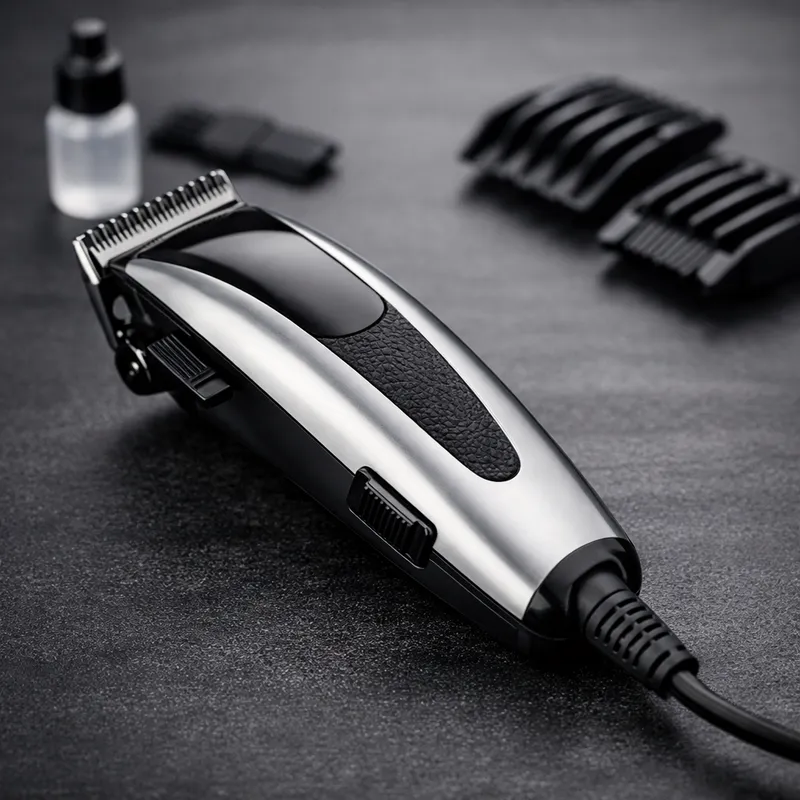
Accuracy note: BaByliss naming and bundles vary by region. This tool recommends the right trimmer category and what to check before you buy.
BaByliss Beard Trimmers Comparison: Which Type Fits Your Routine?
A clean beard comes from the right pairing: length range + guard stability + how you actually trim. Use this table to decide quickly, then scroll down for the trimming method that makes everything look more professional.
| Best for | Choose this BaByliss style if… | Typical length coverage | What to check before buying | Common mistake to avoid |
|---|---|---|---|---|
| Stubble precision | You want controlled shadow, short beard symmetry, and small length steps. | 0.4–5mm with micro‑adjustments | Waterproof vs washable, display clarity, travel lock, comfortable head size. | Buying a long‑range trimmer and trying to “guess” stubble lengths. |
| All‑round beard control | Your beard length changes and you need one tool that handles most situations. | 1–12mm (or similar) using comb guides | Guard stability, battery runtime, grip, trimming without comb for detailing. | Using weak/loose guards that flex and create uneven patches. |
| Longer beard evenness | You live in the 6–12mm range and want predictable, even bulk. | 0.5–12mm+ with dial control | Motor torque, dial lock, comfort on jaw contours, how easy it is to clean. | Trimming too fast on the chin and accidentally flattening the shape. |
| Value kit | You want a simple routine with guides/attachments and solid value. | 0.5–10mm (varies by kit) | Included guards, storage pouch, blade oil/brush, charging type (USB is a plus). | Skipping blade care until it starts pulling hair. |
| Line‑up/detail | You want crisp cheek lines, sharp moustache borders, and a clean neckline. | Detail work (edging) | Blade type, ability to do careful edging, ergonomics for precision control. | Using a detail tool to do full beard length (slow and inconsistent). |
How to Choose the Best BaByliss Beard Trimmer (Without Getting Sold to)
Most men buy a beard trimmer once every few years. That’s why the wrong choice sticks around longer than it should. Here’s the decision process that works in real bathrooms — not in marketing slides.
1) Choose by length range first (this is non‑negotiable)
A “great” trimmer becomes a bad trimmer the moment it doesn’t match your beard length. If your beard is mostly stubble, a long‑range tool can feel clumsy. If your beard is medium/full, a stubble‑only trimmer forces you into compromises.
- ✓ Stubble / shadow: prioritize micro‑adjustments and comfort on contours.
- ✓ Short beard: prioritize stable comb guides and an even finish.
- ✓ Medium beard: prioritize torque + guards that don’t flex on the chin.
- ✓ Long beard: prioritize range, consistency, and a plan (don’t freestyle).
2) Decide wet/dry based on your actual routine
If you trim in the shower or you absolutely hate cleaning, choose a trimmer that’s designed for rinse cleaning. If you trim dry at the sink, you can prioritize guard stability and battery. Either can work — but the wrong one makes your routine annoying, and annoying routines don’t last.
3) Understand the “barber finish” secret: edges > length
The beard that looks “expensive” is the one with clean lines. You can have a simple trimmer, but if your neckline is sloppy, the whole look drops. That’s why outlining tools exist — and why you’ll see them in barbershops.

Buying checklist (fast)
- ✓ Length range covers your beard today and your “seasonal beard” too.
- ✓ Guides feel stable and don’t wobble when pressed against the jaw.
- ✓ Battery + charging fit your life (USB is travel friendly).
- ✓ You can clean it easily — because you will clean it more if it’s simple.
- ✓ Optional: a detail/outlining trimmer if you want crisp edges.
The 10‑Minute Beard Trim Method (Works with Any BaByliss Beard Trimmer)
This method is designed to prevent the two trimming disasters that ruin confidence: accidentally going too short and making the beard look crooked. Follow the order below. You’ll get an even beard, cleaner borders, and a shape that looks intentional.
Step 1: Start longer than you think
Set a longer length and do a first pass to “map” your beard. You can always go shorter. You can’t put hair back.
- ✓ First pass: even everything.
- ✓ Second pass: refine shape.
- ✓ Third pass (optional): add a subtle fade.
Step 2: Trim in a smart order
Use a consistent sequence so you don’t chase symmetry for 20 minutes.
- ✓ Cheeks & sides (bulk)
- ✓ Chin (bulk)
- ✓ Moustache (careful)
- ✓ Neckline (definition)
Step 3: Let the trimmer do the work
The fastest way to create patchiness is to press hard and move too fast. Use light pressure and steady, slow passes.
- ✓ Trim against growth.
- ✓ Keep your angle consistent.
- ✓ Don’t “force” through dense spots.
Neckline rule that keeps you safe
If you set your neckline too high, your beard looks smaller and your face looks rounder. If you set it too low, it looks untidy.
A reliable rule: aim for a neckline that sits roughly one finger above the Adam’s apple, then curve it gently to connect behind each ear. Keep it symmetrical.
If your beard is short or you prefer a sharper style, you can raise the line slightly — but do it gradually.
Cheek lines: natural vs sharp
Natural cheek lines look mature and effortless. Sharp cheek lines look modern and intentional. Both can look great — but both look bad if they’re uneven.
- ✓ Natural: clean stray hairs above your natural line.
- ✓ Sharp: define a clean line, then keep both sides matched.
- ✓ Check symmetry in the mirror from 1 meter away (not 10 cm).
Want the fastest improvement with zero risk?
Do one “safe upgrade” today: clean your neckline and tidy cheek strays. Even without changing length, the beard will look sharper immediately.
Mini Toolkit: Get Better Results with Your BaByliss Beard Trimmer
These tiny tools help you avoid common trimming mistakes: going too short, picking random lengths, or drawing a neckline that doesn’t match your face.
Length Ladder Planner
If you’re unsure what length looks best, step down gradually and stop when it looks “intentional”.
Neckline Assistant
Get a neckline rule that matches your beard style and your neck length.
2‑Minute Cleanup Timer
The fastest way to keep a beard trimmer cutting well is a quick clean after every trim.

Maintenance: Make Your BaByliss Beard Trimmer Cut Better for Longer
When a trimmer starts “pulling” hair, most people assume it’s dead. Usually it’s not dead — it’s dirty, dry, or clogged. A 2‑minute routine after trimming keeps the cut smooth and reduces snagging.
After every trim (fast routine)
- ✓ Remove the guide/guard and brush out trapped hair.
- ✓ If your trimmer supports rinse cleaning, rinse and fully dry it.
- ✓ If your model recommends oil: add a tiny drop, run the blades for a few seconds, wipe excess.
Weekly (or every few trims)
Weekly maintenance is what separates “always cuts clean” from “randomly tugs and annoys you.”
- ✓ Deep clean the head (brush + wipe), especially behind the blade.
- ✓ Inspect comb guides for cracks or flex — they cause uneven trims.
- ✓ Charge before travel so you don’t rush a trim on low power.
BaByliss vs BaBylissPRO: Which One Should You Use for Beards?
Many men confuse these categories. Here’s the practical rule:
Choose BaByliss (consumer) if you want:
- ✓ Easy day-to-day grooming with a guide system that fits typical beard lengths.
- ✓ Convenience features like wet/dry use and simple cleaning (when available).
- ✓ One tool for consistent maintenance rather than barber-level precision.
Choose BaBylissPRO (pro) if you want:
- ✓ Cleaner line-ups and sharper edges (cheek lines, neckline, moustache borders).
- ✓ A dedicated detail tool alongside your main beard trimmer.
- ✓ A more “barber shop finish” when used carefully and slowly.
Pro strategy (simple)
Use a main beard trimmer for length, then a detail tool for edges. That’s the easiest path to a consistently sharp beard.
FAQs: BaByliss Beard Trimmers
Straight answers to the questions men ask when choosing a BaByliss beard trimmer and trying to get cleaner results at home.
Which BaByliss beard trimmer is best for stubble?
What’s the biggest mistake when buying a beard trimmer BaByliss model?
Do I need a separate outlining trimmer for beard lines?
How do I stop my trimmer from pulling hair?
Is it better to trim wet or dry?
What length looks best for a “professional” short beard?
How often should I trim my beard?
Why does my beard look uneven even after trimming?
Should I fade my beard?
What’s the easiest way to improve my beard today?
Keep Improving: Recommended Next Reads
Internal linking helps SEO and helps users solve the full grooming problem (not just buy a trimmer). Replace these URLs with your real category pages if needed.
Beard Trimmers Hub
Learn what features matter, and avoid buying the wrong range.
Explore beard trimmersClippers & Trimmers
Compare beard trimmers vs clippers and when each makes sense.
Browse the categoryBarber‑Fresh Grooming
Get the finishing details right: borders, texture, and routine.
Get a grooming plan