
Less‑mess grooming Buying guide + technique + maintenance
Cleaner trimming with a Remington vacuum trimmer (beard + hair)
Vacuum capture trimmers aim to solve one annoying problem: hair everywhere—in the sink, on your shirt, on the floor, and somehow on the mirror. The feature isn’t magic, but with the right model type and the right technique, it can reduce cleanup time a lot.
Note: Remington vacuum model numbers can vary by country and year. This page focuses on the practical choice: which vacuum trimmer category fits your routine, plus how to get the cleanest trim.
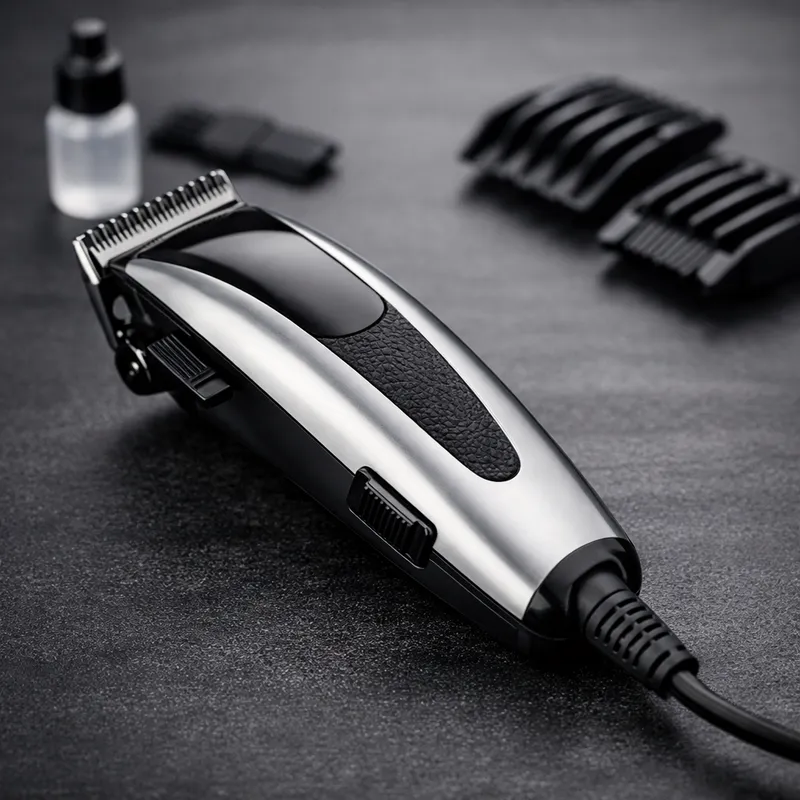
- If you trim often at the sink, vacuum capture can be worth it.
- The best results come from dry hair + short, overlapping strokes.
- Empty early and clean the airflow path—weak suction is usually maintenance, not “a bad trimmer.”
What a Remington vacuum trimmer is (and what it isn’t)
A Remington vacuum trimmer is a trimmer/clipper that includes a small suction system and a collection chamber. The goal is simple: as the blade cuts, airflow pulls a portion of trimmed hair into a bin instead of letting it fall into your sink and onto your clothes.
Vacuum capture is not “zero mess.” Hair can still escape during fast passes, tight edge work, mustache detailing, or if hair is damp/product‑coated. What you’re aiming for is less mess and less cleanup time, not perfection.
Where vacuum capture helps the most
- Weekly maintenance (stubble, short beards, buzz cuts): small clippings go everywhere without vacuum.
- Shared bathrooms: fewer hairs left behind means fewer arguments.
- Quick touchups before work, gym, or a date: trim + rinse + done.
When vacuum trimmers can feel like the wrong tool
- Precision line work: vacuum heads can be bulkier than ultra‑detail trimmers.
- Shower trimming: water + hair clumps reduce airflow and capture.
- Noise sensitivity: vacuum designs can be louder than standard trimmers.
Practical approach: use vacuum capture for the bulk and keep a small detail trimmer or razor for the last 2 minutes of edges. That combo is often the cleanest, fastest, and least frustrating routine.
Top Remington vacuum trimmer types (pick by your routine)
People search “Remington vacuum trimmer” for different reasons. Some want a vacuum beard trimmer. Others want vacuum clippers for DIY haircuts. Use the categories below to match your real use case.
Vacuum beard & stubble trimmer
Best if your goal is cleaner sink trimming for stubble and short-to-medium beards. These are usually the most “daily life” useful vacuum models because beard clippings are small and messy.
Good fit if you trim weekly (or more) and you want fewer hairs on your shirt.
Vacuum grooming kit (multi‑attachment)
Best if you want one device that can handle beard length control, light detailing, and sometimes body grooming. The tradeoff is more parts to clean and store.
Good fit if you like “one kit in the drawer” and you don’t mind a little extra maintenance.
Vacuum hair clipper (DIY haircuts)
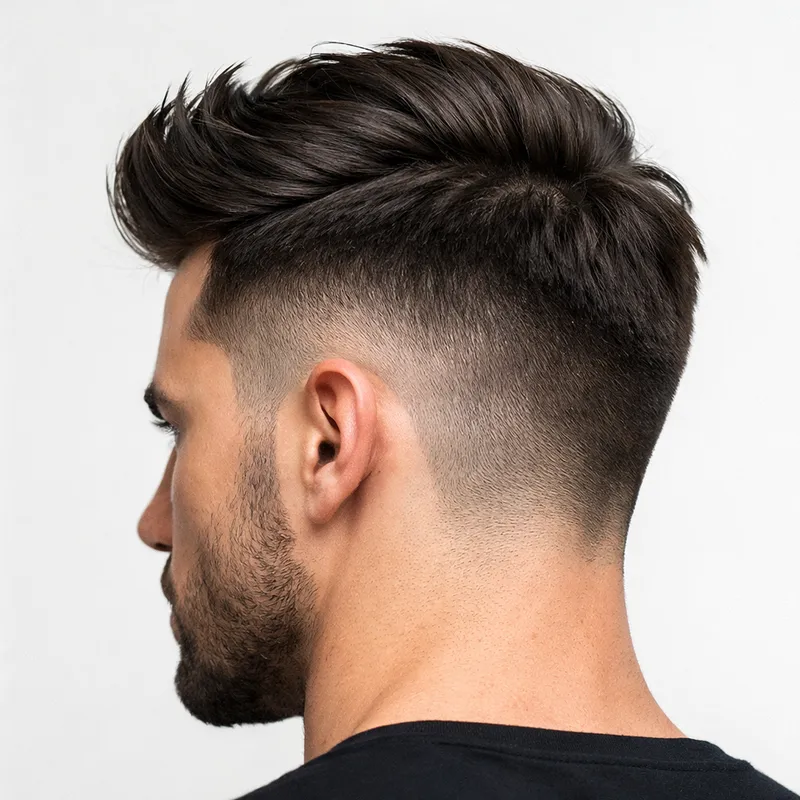
Best if you cut your own hair (buzz cuts, simple tapers, cleanup between barber visits) and you hate sweeping tiny hairs afterward. Vacuum clippers can reduce floor mess—especially during short haircut sessions.
Good fit if you’re doing straightforward cuts and you want a faster cleanup.

Buying checklist: what matters for a vacuum trimmer (SEO‑friendly, real‑world useful)
Vacuum capture is only one part of the buying decision. The best Remington vacuum trimmer for you depends on how you groom, how often you groom, and how picky you are about precision.
1) Decide what you’re trimming most
- Beard/stubble: prioritize comfort, length control, and easy chamber emptying.
- Haircuts: prioritize motor consistency, guard stability, and easy cleaning during longer sessions.
- Both: prioritize versatility—but accept that “one tool for everything” is rarely perfect at the edges.
2) Understand the vacuum tradeoffs (before you buy)
| What you care about | Vacuum trimmer | Regular trimmer | Practical recommendation |
|---|---|---|---|
| Cleanup speed | Usually faster cleanup (less hair in sink/on shirt) | More wiping, rinsing, sweeping | If you trim weekly, vacuum saves real time. |
| Precision (mustache/edges) | Can be bulkier for tight areas | Often easier to detail | Use vacuum for bulk + a detail tool for lines. |
| Noise | Often louder (extra airflow system) | Often quieter | If noise matters, consider non‑vacuum options. |
| Maintenance | Needs chamber + airflow path cleaning | Simpler cleaning | Vacuum = better routine, slightly more upkeep. |
| Wet/shower trimming | Vacuum capture works best on dry hair | Many waterproof options excel in shower | If you always trim wet, vacuum may not be your best feature. |
3) “Small details” that decide whether you love it or hate it
- Chamber access: can you empty it quickly without making a mess?
- Airflow path: is it easy to brush out (especially fine hair clogs)?
- Length control: do you prefer a dial/adjustable comb or fixed guards?
- Session style: quick weekly maintenance vs longer “full groom” sessions.
If you want brand‑level browsing, use these internal guides: Remington trimmers, Remington clippers, and Remington vacuum beard trimmers.
Mini tools: pick your setup + save time + copy a cleaner routine
These quick tools help you decide faster and avoid common “vacuum trimmer disappointment” mistakes. Nothing is saved or sent anywhere; it’s all on-page.
1) The 60‑second vacuum trimmer chooser
Tap what matches your routine. You’ll get a recommendation plus a short “do this, not that” technique note.
2) Cleanup time saved calculator
Vacuum capture is mostly a “time and annoyance” upgrade. Estimate how much cleanup time you can reclaim over a year.
3) Copyable “less‑mess” checklist (use it every time)
This is the routine that makes vacuum capture feel worth it. Use it for beard trimming, haircuts, or both.
If you’re trying to improve beard shape (not just length), also see: Beard trimmers and Remington beard trimmers.
How to use a Remington vacuum trimmer (step‑by‑step, less mess, more even results)
The vacuum feature works best when your technique supports airflow and consistent cutting. If you only change one habit, make it this: slow down and use short, overlapping strokes. It improves capture and reduces patchiness.


The “vacuum-friendly” rules (do these every time)
- Trim dry hair when possible. Damp hair clumps and blocks airflow.
- Use short strokes (2–5 cm) and overlap slightly.
- Light pressure beats “pushing harder.” Air needs space to pull clippings.
- Empty early. A half‑full chamber often performs better than a packed one.
- Start longer than your target and step down gradually.
People rarely regret trimming a little longer first. They often regret trimming too short instantly. Starting longer lets you remove bulk, see shape, and then dial in the final length with more control.
Beard/stubble routine (the clean, repeatable method)
- Comb and de-bulk: comb the beard and do a quick pass at a longer setting to remove uneven bulk.
- Set your target length: do slow passes with short strokes. Overlap slightly to avoid “islands.”
- Check growth direction: under the jaw and near the chin, hair often grows in different directions—adjust your pass.
- Mustache last: go slower and use lighter pressure. Vacuum heads can feel bulkier here.
- Edges as a separate step: if you want crisp lines, finish with a detail tool. Vacuum capture isn’t built for surgical edging.
- Empty + brush: empty the chamber and brush out the intake path before hair compacts.
DIY haircut routine (best for simple cuts)
Vacuum hair clippers are most satisfying on straightforward cuts: buzz cuts, basic maintenance between barber visits, and quick cleanup around the neck and ears.
- Choose a conservative guard: start longer than you think, then step down if needed.
- Bulk pass first: quick pass to remove most length.
- Finish pass second: slower pass to even everything out (this is where vacuum capture tends to improve).
- Edge last: around ears and neckline—take your time.
- Empty mid-session if needed: if suction drops, don’t force it—empty and continue.
You can learn it, but it’s a skill. If your goal is consistently sharp fades and clean beard lines, the fastest “upgrade” is often a pro appointment. Use barber near me to find options in your area.
Cleaning & maintenance (keep vacuum capture strong)
Most negative vacuum trimmer experiences come from one thing: airflow blockage. Fine hair builds up where you can’t always see it, suction drops, and the device feels “worse than a normal trimmer.” The fix is usually simple and fast.
After every trim (2 minutes)
- Turn off the trimmer and empty the collection chamber.
- Brush out the blade area and the intake path (where hair gets pulled in).
- If your model has washable parts, rinse only what the manufacturer allows, then fully dry before reassembly.
Weekly (5 minutes)
- Inspect the chamber opening for compacted hair and clear it.
- Check for fine hair buildup on any mesh/filter areas.
- If you’re using hair clippers, lightly oil blades if your model supports it (follow your device manual).
Monthly (deep clean)
- Remove attachments and brush out every airflow channel you can access.
- Clean around seals and edges where hair tends to compact.
- Confirm everything is dry before storing (moisture + hair = clumps and clogging).
Don’t wait until it “feels bad.” Vacuum capture performance usually drops gradually. Quick, frequent cleaning beats occasional deep cleaning.
Troubleshooting: weak suction, uneven trims, clogs
Use this section when your vacuum trimmer stops feeling like a vacuum trimmer. Most problems have a straightforward cause.
Problem: “It’s not picking up hair anymore”
- Chamber is full: empty it early and often during thick sessions.
- Hair is damp or product-coated: trim dry, then wash after.
- Airflow path is blocked: brush out the intake path and blade area—fine hair compacts there.
- Technique is too fast: slow passes catch more. Fast swipes scatter clippings.
Problem: “My beard looks patchy / uneven”
- Do a de-bulk pass first at a longer setting.
- Trim against growth in tricky zones (under jaw, chin) with short strokes.
- Don’t chase perfection in one pass—step down gradually.
Problem: “It tugs or feels rough”
- Clean the blades; hair buildup can cause tugging.
- Use lighter pressure; pushing harder can increase snagging.
- If it continues, your blade may be dull or the model may be a poor fit for your hair density (thick/coarse hair can need stronger cutting systems).
Problem: “It’s loud”
Vacuum designs often add noise by nature. If sound is a dealbreaker, you may prefer a non‑vacuum trimmer and use a hair catcher bib or shower trimming instead.
If you mostly want clean, sharp lines: prioritize precision tools. If you mostly want faster cleanup: vacuum capture pays off. Many people do best with both—vacuum for bulk and a detail trimmer for edges.
FAQs about Remington vacuum trimmers
These FAQs are written for real user intent: buying, using, cleaning, and deciding if vacuum capture is worth it.
Does a Remington vacuum trimmer really keep the sink clean?
Is a vacuum trimmer better than trimming in the shower?
Can I use a vacuum beard trimmer on my head?
Why does suction feel weaker over time?
How often should I empty the hair chamber?
Are vacuum trimmers louder than normal trimmers?
What’s the quickest technique upgrade to catch more hair?
Do I still need a detail trimmer for crisp lines?
If you’re trying to level up your grooming quickly, combine smart DIY maintenance with professional resets when needed. Trim at home to keep shape, then use a barber when you want perfect lines or a new style.

Transparency: MensHaircutStyle is not affiliated with Remington. This page is an informational guide to help you choose and use vacuum capture trimmers effectively.