
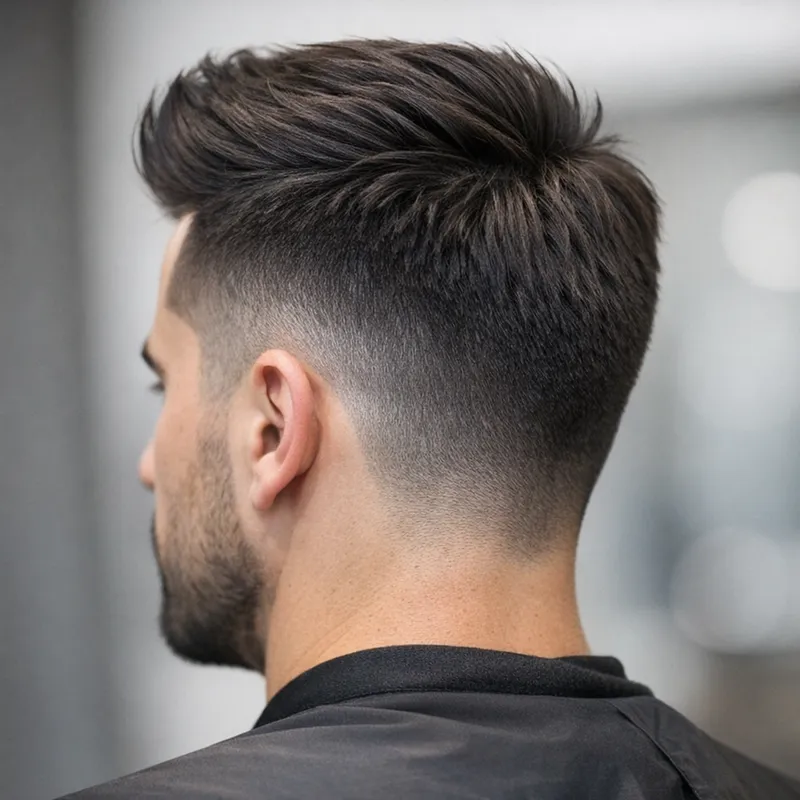
Why Gray Hair Dye Has Become a Power Move for Men
You used to see your first gray hairs and think, “How do I hide this?” Now a lot of guys are asking a better question: “How do I make this look sharp?” Gray and silver hair has turned into a style choice, not just a sign of aging.
If you handle it well, gray can look strong, modern and intentional. The trick is choosing the right gray hair dye for your hair type, skin tone and lifestyle, and then applying it properly so it looks natural, not painted on.
In this guide, I’ll walk you through the main types of gray dye, how to pick your perfect shade, and step-by-step tips so you can handle the job at home or talk confidently with your barber or stylist.
Understanding Gray Hair Dye: What You’re Actually Buying
Before you grab a box from the shelf, you need to know what you’re looking at. “Gray hair dye” can mean several different products, and each behaves differently on your hair.
1. Temporary and Semi-Permanent Gray Dyes
These are ideal if you’re testing the waters or want a low-commitment change.
- Temporary dyes (sprays, shampoos, color rinses) coat the outside of the hair and usually wash out within 1–3 shampoos.
- Semi-permanent dyes penetrate a little deeper but don’t use strong developers like permanent dyes. They fade gradually over 4–8 weeks depending on how often you wash your hair.
They’re great if:
- You want to blend your existing grays, not fully cover them.
- You’re going for a smoky or charcoal tone without long-term commitment.
- Your hair is dry, fine or fragile and you want a gentler option.
2. Permanent Gray Hair Dyes
Permanent gray dyes are designed to stay in the hair until it grows out or you cut it off. They use a developer (often called “peroxide”) to open the cuticle of the hair and deposit color inside.
They’re the best choice if:
- You want a consistent silver or steel shade all over.
- Your hair is very dark and you need to lighten it first, then tone it.
- You don’t mind root maintenance every 4–6 weeks.
Because permanent dyes are stronger, you need to pay more attention to hair health: conditioning, protein treatments and heat protection matter more here.
3. Gray-Blending and “Salt-and-Pepper” Dyes
Gray-blending products are made specifically for men who don’t want to erase their grays but soften the contrast. Think of them as a “Photoshop smoothing tool” for your hair.
- They’re usually semi-permanent or very low-ammonia formulas.
- They reduce the sharp difference between dark hair and light gray/white strands.
- They grow out more naturally than full coverage color, with less obvious roots.
If you hate the idea of looking like you just dyed your hair yesterday, a gray-blending system is often the smartest route.
4. Toners and Purple/Silver Shampoos
If your hair is already mostly gray or white, you may not need classic dye at all. You might just need a toner to control unwanted yellow or brassy tones.
- Silver or purple shampoos neutralize yellow tones and make white or gray hair look cleaner and brighter.
- Demi-permanent toners add a subtle hint of silver, steel or cool beige to even out your overall color.
For many men, a purple shampoo plus a light toner every couple of months is enough to keep gray hair looking deliberate and stylish.
How to Choose the Right Gray Shade for Your Skin Tone
Gray hair dye is less about your age and more about how it works with your skin tone. Pick the wrong shade and you can look tired or washed out. Pick the right one and your features pop.
Step 1: Identify Your Skin’s Undertone
Use these quick checks at home:
- Vein test: If your veins look more blue or purple, you probably have a cool undertone. If they look greenish, you’re likely warm. If you can’t tell, you’re probably neutral.
- Jewelry test: If silver jewelry looks better on you, you’re usually cool. If gold flatters you more, you’re often warm. If both look fine, you’re probably neutral.
- Sun reaction: If you burn easily, you tend to be cool. If you tan quickly, you lean warm.
Step 2: Match Undertone to Gray Shade
- Cool undertones: Look best with steel, smoky or blue-based silver. Think gunmetal, ash, ice.
- Warm undertones: Suit soft, warm grays with a hint of beige or taupe, sometimes called “greige.” Avoid ultra-icy silvers that can make you look pale.
- Neutral undertones: You can usually wear both cool and warm grays. Focus on how dramatic you want the look to be. Cooler silvers look bolder; softer grays look more natural.
As barber and men’s grooming expert Jake Thompson often points out in his studio consultations, a gray shade that respects your undertone will always look more expensive and intentional than a random “platinum” pulled off the shelf.
Step 3: Decide How Bold You Want to Go
Ask yourself three questions:
- Do you want to stand out or just look fresher? Full silver or platinum is high-impact. Soft gray blending is subtle.
- Do you have a strict dress code at work? Super-light or fashion grays may clash with conservative offices, while natural steel or salt-and-pepper reads more classic.
- How often are you willing to maintain it? The lighter and cooler the gray, the more maintenance it typically needs.
The Best Types of Gray Hair Dye by Starting Hair Color
Your starting point changes everything. Dye acts very differently on dark brown hair than on naturally light or already-gray hair.
If You Have Dark Brown or Black Hair
Going from very dark to bright silver in a single step isn’t realistic or safe at home. Usually you’ll need two phases:
- Lightening (bleaching) phase to remove dark pigment.
- Toning phase to add the gray or silver you want.
For at-home color, most men are better off with:
- Gray-blending dyes that soften gray contrast without fully lightening.
- Dark charcoal or steel shades that sit only a few levels lighter than your natural color.
If you’re set on a full platinum silver from deep black, that’s a job for a professional colorist who can control damage over multiple sessions.
If You Have Medium Brown or Dark Blonde Hair
You have more flexibility and can often achieve:
- Smoky medium gray with a single permanent dye plus toner.
- Soft salt-and-pepper using semi-permanent blending dyes.
- Subtle silver highlights to add dimension without coloring everything.
This range of starting colors usually gives the most natural-looking gray results with the least damage, as long as you stay within a few levels of your natural shade.
If You’re Already Mostly Gray or White
Good news: you’re working with a blank canvas. You often don’t need strong dye, just a toner or silver shampoo to fine-tune your shade.
- Use purple shampoo 1–2 times a week to keep yellow tones in check.
- Drop in a silver or steel toner every 4–8 weeks for a cool, polished finish.
- If you want more contrast, ask for lowlights (darker strands) instead of dyeing everything one flat color.
Key Ingredients and Labels to Check Before You Buy
Reading the box matters. A few details on the label can tell you a lot about how the gray dye will feel, smell and behave on your hair.
1. Ammonia vs. Ammonia-Free
- Ammonia-based dyes open the cuticle more aggressively. They usually give strong, long-lasting coverage but can feel harsher, especially on fine or damaged hair.
- Ammonia-free formulas use alternative agents that are usually gentler and smell better, but sometimes don’t lift as much or last quite as long.
If your scalp is sensitive, start with ammonia-free or semi-permanent options.
2. Developer Strength (10, 20, 30 Volume)
Developer “volume” roughly measures how much lift the product can give:
- 10 volume: little to no lightening, mostly deposit. Good for toning and subtle gray refresh.
- 20 volume: standard for covering gray and going 1–2 levels lighter.
- 30 volume: stronger lift, higher risk of dryness or breakage. Usually best left to professionals.
3. Conditioning and Protective Ingredients
Look for formulas that include:
- Oils like argan, jojoba or coconut (help with softness and shine).
- Proteins like keratin or silk (support strength, but use in moderation if your hair is very brittle).
- UV filters to help slow color fading in the sun.
If your hair is already dry or coarse, choosing a more nourishing dye plus a good conditioner makes a noticeable difference.
Step-by-Step: How to Dye Your Hair Gray at Home
You don’t need barber-level skills, but you do need a game plan. Here’s a simple process to get clean results and avoid common mistakes.
Before You Start
- Do a patch test 48 hours before using any new dye to check for allergic reactions.
- Don’t wash your hair the same day you color it. A little natural oil on your scalp offers protection.
- Gather tools: gloves, mixing bowl, brush, comb, old towel, clips, and a timer.
1. Decide on Your Target Shade and Product
Choose whether you’re going for full coverage, blending or just toning. Match the shade to your undertone and starting color, as we covered earlier. When in doubt, go slightly softer and darker than you think; it almost always looks more natural.
2. Section Your Hair
Sectioning keeps the application clean and even.
- Comb your hair into four sections (front left, front right, back left, back right).
- Secure each section with clips.
- Work from the back to the front; it’s easier and less messy.
3. Mix the Dye
Follow the instructions on your product exactly. Typical steps:
- Put on gloves.
- Mix the color cream and developer in the bowl until the texture is smooth.
- Don’t let it sit for too long before applying; most mixtures are designed to be used immediately.
4. Apply the Dye
Your application strategy depends on whether you’re covering gray, going gray, or just blending.
- For full gray coverage: Start with the areas that need the most time (usually the sides and back), then move to the top. Apply from roots to ends if you’ve never dyed before.
- For gray blending: Focus on the most visible areas (temples, hairline, part line). Use a comb to pull the color through so it diffuses instead of sitting solid.
- For toning existing gray: Apply quickly and evenly, then check every 5–10 minutes so you don’t overshoot into too-dark territory.
5. Process Time
Set a timer according to the instructions. Resist the urge to “leave it longer for better results.” That’s how you end up with over-dark or damaged hair.
Most men’s gray dyes process in 10–30 minutes depending on the formula and result you want. Check a hidden strand halfway through to see how the color is developing.
6. Rinse, Shampoo and Condition
- Rinse with lukewarm water until it runs mostly clear.
- Use the post-color shampoo/conditioner included in the kit if there is one.
- Finish with a moisturizing conditioner and let your hair air-dry if possible the first day.
Maintenance: How to Keep Your Gray Looking Sharp
Once you’ve nailed the shade, maintenance is what keeps it from going dull, yellow or patchy.
1. Adjust Your Washing Routine
- Wash your hair less often if you can—2 to 3 times a week is usually enough.
- Use a color-safe shampoo to prevent your gray from fading or drying out.
- Rotate in a purple shampoo once a week if you notice yellow tones.
2. Hydrate and Protect
- Use a conditioner every time you shampoo; gray hair tends to be drier by nature.
- Add a weekly deep-conditioning mask if your hair feels rough or brittle.
- If you use a blow-dryer or straightener, always apply a heat protectant first.
3. Tidy Up the Cut
Color looks better on a clean shape. A simple tapered cut, textured crop, or longer style with layers can all show off gray in different ways, but they all benefit from regular trims every 3–6 weeks.
Common Gray Hair Dye Mistakes (and How to Avoid Them)
Most gray dye disasters fall into a few predictable categories. If you know them ahead of time, you can dodge them.
Mistake 1: Going Too Light Too Fast
Jumping from dark brown to icy silver in one go is a recipe for damage and disappointment. Instead:
- Step your way lighter over a few sessions.
- Consider a dark steel or graphite first, then move brighter later.
Mistake 2: Ignoring Skin Tone
A cool, almost-blue silver on a very warm skin tone can make you look sick or older. Revisit the undertone section and, if you’re unsure, take a well-lit selfie and compare different gray tones side by side.
Mistake 3: Overprocessing the Same Hair
Reapplying permanent dye to your full length every time can fry the ends. When you touch up:
- Focus permanent dye on the roots.
- Use a shorter processing time or semi-permanent dye on the mid-lengths and ends.
Mistake 4: Skipping Aftercare
Even the best gray dye looks dull on dehydrated hair. Gray already reflects light differently than pigmented hair, so build a simple routine: mild shampoo, solid conditioner, and a bit of styling cream or light pomade to control frizz and add definition.
When to See a Professional Colorist Instead of Doing It Yourself
Dyeing your hair at home is totally doable in many cases, but there are moments when it’s smarter to hand things over to a pro.
- You want a dramatic change from very dark to bright silver or platinum.
- Your hair is already fragile, bleached or heavily processed.
- You’ve had an allergic reaction to hair color in the past.
- You want detailed work like gray balayage, highlights or color melting.
A good colorist will consider your hair history, texture and lifestyle before choosing a formula. Think of it as a long-term investment in keeping your hair healthy and your gray looking clean.
FAQ: Best Gray Hair Dye and How to Choose the Right One
Is gray hair dye bad for your hair?
Any chemical dye can cause some dryness, especially permanent formulas that lighten your natural color first. If you choose a gentle product, follow the timing instructions and condition regularly, most men can maintain healthy hair while enjoying a gray shade.
Can I go gray without bleaching my hair?
If your natural hair is medium to dark brown and you want a bright, icy silver, some level of lightening is almost always necessary. However, if you only want a darker steel or charcoal gray, you can often get there with permanent dye and toner, no full bleach required.
How long does gray hair dye last?
Temporary dyes last until your next wash or two. Semi-permanent gray typically fades over 4–8 weeks. Permanent gray dye stays in the hair until it grows out, though the shade softens over time and you’ll usually need a root touch-up every 4–6 weeks.
What’s the best gray hair dye for men who just want to blend?
Look for gray-blending or “natural coverage” products made for men; they soften strong contrast without covering every white hair. These formulas are usually semi-permanent, fade gradually, and leave you with a more subtle salt-and-pepper finish.
How do I keep my gray hair from turning yellow?
Use a purple or silver shampoo once a week to neutralize yellow tones, protect your hair from excessive sun exposure, and avoid smoking, which can stain the hair. If the yellowing is strong, a professional toner can reset your shade to a cleaner silver.