
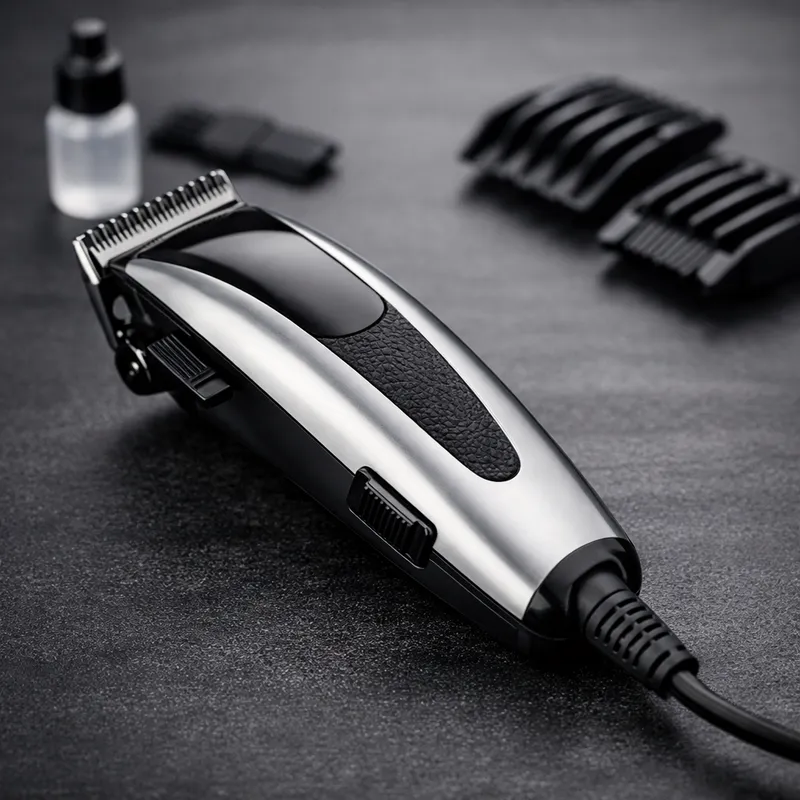
If you care about looking sharp, a good hair and nose trimmer is one of those small tools that makes a big difference. It keeps your neckline clean, your sideburns even, and those annoying nose hairs under control so no one notices them in close‑up conversations.
In this guide, you’ll learn how hair and nose trimmers work, which features actually matter, and how to pick the best model for your hair type, grooming routine, and budget. I’ll also walk you through specific use cases so you know exactly what to look for.
What Is a Hair and Nose Trimmer?
A hair and nose trimmer is a compact grooming tool designed for precision work: edging your haircut, tidying your neckline, cleaning up around the ears, shaping sideburns, and safely removing nose and ear hair. It’s not a full‑size clipper, and it’s not a razor. Think of it as the detail tool that finishes the job.
Most modern models are multi‑purpose. The same handle usually comes with several attachments: a narrow trimmer head for edges, a rotary or vertical nose trimmer, and sometimes small combs for short beard or stubble maintenance.
Main Types of Trimmers You’ll Find
1. Precision hair trimmers
These look like slim, mini clippers. They’re ideal for:
- Neckline cleanup between haircuts
- Sharpening a fade or taper line
- Detailing sideburns and around the ears
- Defining edges around a beard or goatee
They usually come with several short guard combs (like 1–10 mm) to keep stubble even or shape a short beard.
2. Dedicated nose and ear trimmers
These are built specifically for delicate areas. The two main designs are:
- Rotary trimmers: a rounded tip with an internal spinning blade. You gently insert the tip into the nostril or ear, and it trims hair on contact.
- Vertical trimmers: a slim, straight head with exposed blades protected by a comb‑like guard. Better for surface work and eyebrows.
Good models cut smoothly without pulling, which is what separates a quality trimmer from a cheap, painful one.
3. All‑in‑one grooming kits
These combine everything: a main body, multiple heads, and several guards. Typically you’ll see:
- Standard beard/hair trimming head
- Detailing or precision head
- Nose/ear head (rotary or vertical)
- Body hair guards or body‑safe head
If you want one tool for hairline, nose, beard, and body hair, this type of kit usually gives you the best value and flexibility.
Key Features That Actually Matter
There are dozens of specs on every product page. Some are marketing fluff. These are the ones that really affect how your hair and nose trimmer performs in daily use.
1. Blade material and design
Blades are the heart of the tool. Focus on:
- Stainless steel blades: durable, rust‑resistant, and standard on quality trimmers. A safe baseline.
- Titanium‑coated blades: slightly more durable and glide more smoothly; helpful if you have thicker or coarser hair.
- Self‑sharpening blades: designed so the moving and fixed blades lightly touch and keep each other sharp over time.
For nose and ear trimming, the design (rotary vs vertical) and smoothness of the tip matter more than the coating. Rounded, polished tips are less likely to scratch sensitive skin.
2. Motor power and smoothness
A stronger, smoother motor means fewer passes, less tugging, and a cleaner line. Signs of a good motor:
- Consistent speed, even when cutting coarse or dense hair
- No sudden drops in power as the battery drains
- Low to moderate vibration, so your hand stays steady
If your current trimmer pulls hair or needs several passes over the same area, the motor is probably underpowered or the blades are dull.
3. Power source: corded vs cordless
You’ll see three main options:
- Cordless with rechargeable battery: the most common choice. Look for at least 45–60 minutes of runtime and under 2 hours of charging.
- Corded: unlimited runtime and steady power, but less convenient for travel or awkward angles in front of the mirror.
- Hybrid (corded/cordless): best of both worlds—use it cordless, and if you forget to charge, plug it in and keep going.
For nose trimming alone, short runtime is less critical. For full grooming sessions (hairline, beard, body hair), longer battery life saves you from mid‑trim surprises.
4. Wet & dry use and waterproof rating
Water resistance is more than a convenience; it’s a hygiene factor.
- Fully waterproof (often marked IPX7): you can rinse the whole device under the tap, sometimes even use it in the shower.
- Washable heads only: the handle must stay dry, but you can remove and rinse the attachments.
- Dry‑only: you’ll need a small brush to clean hair out after every use.
If you’re trimming nose hair regularly, being able to rinse the head thoroughly makes cleaning faster and keeps bacteria buildup under control.
5. Attachments and guard combs
The right attachments let one tool handle several jobs:
- Short guards (1–3 mm): even stubble or a very short beard
- Medium guards (4–9 mm): short beards and soft fades near the neckline
- Detail guards or edging combs: cleaner lines around sideburns and beards
- Eyebrow combs: usually 2–6 mm; they prevent over‑trimming
- Body hair guards: larger, with rounded edges for sensitive areas
If you mainly want nose hair control and simple neckline cleanups, you don’t need a huge set of guards. But if you style your beard and edges yourself, extra guards give you more control.
6. Ergonomics and handling
A trimmer should feel stable and comfortable in your hand. Things to notice:
- Non‑slip grip, especially for wet use
- Weight balance—neither too heavy nor too light
- Head size that fits easily around ears and under the nose
- Button placement that doesn’t make you accidentally switch it off
You’ll appreciate good ergonomics most when edging around your ears or trimming inside the nose at a tricky angle.
How to Choose the Right Hair and Nose Trimmer for You
Instead of chasing the “best” trimmer in general, match the tool to how you actually groom. Think about how often you cut your hair, whether you maintain a beard, and how sensitive your skin is.
1. Start with your main grooming goal
- “I just want to control nose and ear hair.” Look for a compact nose trimmer with a rounded rotary head, waterproof design, and simple on/off switch. You don’t need lots of guards or extras.
- “I want to keep my neckline and sideburns sharp between haircuts.” Choose a precision hair trimmer with a narrow head, decent battery life, and at least a few short guards.
- “I trim my own beard and edges at home.” Go for a multi‑groomer kit with nose head, detail head, and beard guards from 1–10 mm (or more if you keep your beard longer).
- “I cut my own hair and need detail work too.” Use a full‑size clipper for bulk cutting and a dedicated trimmer for edges and nose/ear hair. A strong motor and long battery life become more important here.
2. Match the trimmer to your hair type
Your hair’s thickness and density affect how powerful your trimmer needs to be.
- Fine or straight hair: most mid‑range trimmers handle this easily. Prioritize smooth blades and precision over raw power.
- Thick, coarse, or curly hair: look for stronger motors, titanium‑coated or high‑quality stainless blades, and reviews that mention “no pulling” even on dense hair.
- Very sensitive skin: prioritize rounded blade tips, multiple length guards (so the blade doesn’t sit directly on the skin), and wet/dry use so you can trim on clean, softened hair.
3. Consider how often you’ll use it
Usage frequency guides you toward the right balance of price and durability:
- Occasional use (once every 1–2 weeks): a simple mid‑range model, 45+ minutes of runtime, and washable heads will be enough.
- Regular use (several times per week): choose better blade materials, 60–90 minutes of runtime, fast charging, and a strong warranty.
- Daily or multi‑user household: invest in premium blades, robust construction, and possibly a hybrid corded/cordless system so you’re never stuck with a dead battery.
4. Decide where you’ll use it most
Where and how you trim also influences your choice.
- Bathroom counter at home: a larger handle and a charging stand are convenient. Waterproofing is a plus for easy cleanup.
- Shared spaces or travel: compact size, protective cap, travel pouch, and universal voltage (100–240 V) make life easier.
- In the shower: you need a fully waterproof trimmer with good grip; avoid models that are only “splash‑proof”.
5. Set a realistic budget
For most people, you don’t need the most expensive model to get a clean, comfortable trim.
- Entry level: basic nose trimmer or simple detailer; good for trying at‑home grooming but may have shorter lifespan.
- Mid‑range: usually the sweet spot—better motors, more attachments, stronger build quality.
- Premium: metal bodies, top‑tier blades, long runtimes, and refined ergonomics. Worth it if you trim often or share the tool.
Think in terms of cost per year. A solid mid‑range trimmer that lasts four or five years often ends up cheaper than replacing a cheap model every 12–18 months.
How to Use a Hair and Nose Trimmer Safely and Effectively
1. Basic steps for hairline and neckline
- Start with clean, dry hair. Oil and product buildup make hair stick and clump, which can lead to uneven lines.
- Comb the hair into place. Brush the top down and the sides in their natural direction so you see the real outline.
- Outline first, then refine. Without a guard, gently mark the desired line at the back of the neck and around the ears. Keep the trimmer upside down for more control on tight curves.
- Use short, upward strokes on the neck. Stretch the skin slightly with your free hand. This flattens the area and gives you a cleaner finish.
- Balance both sides. Check your sideburns in the mirror, then turn your head left and right to make sure they’re level.
- Finish with a quick rinse or brush. Remove loose hairs so you can see if there are any missed spots.
2. Safe nose trimming routine
- Blow your nose first. Clear out dust and mucus so the trimmer can reach hairs more easily.
- Stand near a bright light and mirror. Good visibility prevents over‑trimming.
- Turn on the trimmer before inserting it. This way, it starts cutting immediately and is less likely to catch and pull.
- Gently insert the tip just inside the nostril. You’re targeting hair that’s visible from the front, not deep inside the nose.
- Move in small circular or side‑to‑side motions. Rotate the trimmer as you go to catch hairs from different angles.
- Stop once the visible hairs are gone. Don’t chase every last hair—nose hair has a protective role in filtering dust and particles.
- Rinse or clean the head thoroughly. Use warm water if it’s waterproof; otherwise, use the included cleaning brush.
3. Quick tips for around the ears
- Fold the top of your ear gently to expose the hairline behind it.
- Use the corner of the trimmer blade for precise curves.
- Work slowly, cleaning up small sections instead of trying to carve the whole curve in one move.
Maintenance: How to Keep Your Trimmer in Top Shape
A well‑maintained trimmer doesn’t just last longer; it also cuts cleaner and is gentler on your skin. Build a simple routine around three steps: cleaning, drying, and lubrication.
1. After every use
- Brush off loose hair. Use the small brush included with the trimmer to clear blades and guards.
- Rinse if allowed. If your model is waterproof, remove the head and rinse under warm running water.
- Dry completely. Shake off excess water and leave the head to air dry before reassembling.
2. Weekly or bi‑weekly (depending on use)
- Deep clean the blades and guards. Some models allow the blade set to be fully detached; clean all hair traps and corners.
- Apply a drop of oil. Use clipper oil or light mineral oil on the moving parts of the blades to reduce friction.
- Check for damage. Look for bent teeth, cracks in plastic guards, or signs of rust.
3. Battery care
- Avoid letting the battery run completely flat every time; occasional full cycles are fine, but constant deep discharge shortens battery life.
- Unplug once fully charged if your model doesn’t have smart charging protection.
- For long‑term storage, charge to around half and store in a dry place.
If you notice increased pulling or uneven cuts even after cleaning and oiling, it may be time to replace the blades or the device itself, depending on the design.
Common Mistakes to Avoid With Hair and Nose Trimmers
- Over‑trimming nose hair. Only remove what’s visible from the front; going too deep leaves you with dry, irritated passages.
- Skipping cleaning. Built‑up hair and skin cells make blades dull faster and can harbor bacteria.
- Using the wrong attachment. A large beard guard near the ears or nose reduces precision and increases the chance of uneven lines.
- Applying too much pressure. Let the blades do the work; pressing hard increases irritation and doesn’t improve the cut.
- Trimming in a hurry. Precision grooming takes a few focused minutes; rushing usually means uneven sideburns or nicks.
- Ignoring your skin type. If your skin is easily irritated, choose guards that keep metal from sitting directly on the skin and consider trimming after a shower when hair is softened.
Who Should Invest in a Higher‑End Trimmer?
Not everyone needs a premium device. But a better trimmer is often worth it if:
- You maintain your own haircut or beard at home
- You have thick, coarse, or very curly hair
- You share the tool with family members
- You’ve experienced pulling or irritation with cheaper trimmers
- You travel frequently and need something reliable in your bag
In these cases, upgraded blades, better motors, and stronger construction translate directly into comfort, time saved, and more consistent results.
FAQ: Hair and Nose Trimmers
Is it safe to trim nose hair with an electric trimmer?
Yes, it’s safe when you use a dedicated nose trimmer with a rounded tip and only trim the hairs that are visible from the front. Avoid inserting the trimmer too deeply and don’t try to remove all nose hair.
How often should I replace my hair and nose trimmer?
With regular cleaning and oiling, a quality trimmer can last several years. Replace it when you notice persistent pulling, uneven cutting, visible rust, or when the battery no longer holds enough charge for a full grooming session.
Can I use the same trimmer for hair, beard, and body?
Many multi‑groomer kits are designed for exactly that, with separate heads and guards for hair, beard, nose, and body. Always check the manufacturer’s instructions and use body‑safe guards on sensitive areas.
Should I choose a corded or cordless trimmer?
Cordless trimmers are more flexible and easier to use in front of a mirror or while traveling. Corded or hybrid models are better if you trim often, share the device, or don’t want to worry about running out of battery mid‑session.
What’s the difference between a hair trimmer and a clipper?
Clippers are larger tools designed to remove or shorten large amounts of hair quickly, usually with longer guards for full haircuts. Trimmers are smaller and more precise, used for edging, detailing, and trimming shorter hair or delicate areas like the nose and ears.