
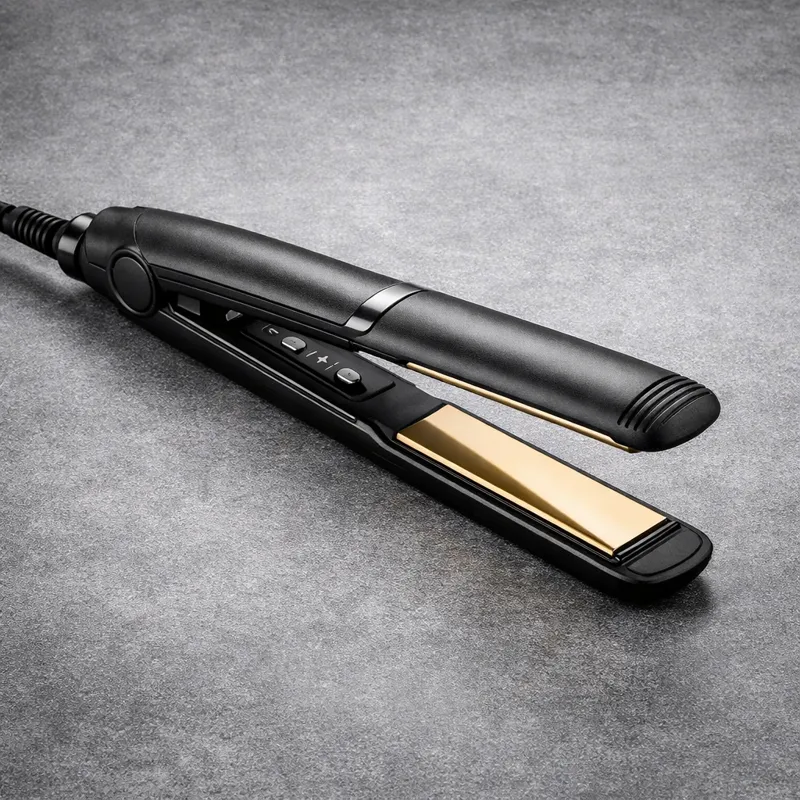
If you use a hair dryer, straightener or curler regularly, heat protection spray is not optional – it is the difference between healthy, flexible hair and dry, brittle ends. You want clean styling, not silent damage building up with every pass of the tool.
In this guide, you will learn exactly what a heat protectant does, how to read the label, and how to choose the best formula for your hair type and routine. The goal is simple: you keep your current style – fades, quiff, slick back, curls or long textured hair – but you drastically reduce breakage, frizz and color fade.
What Does a Heat Protection Spray Actually Do?
Think of heat protection spray as a very thin, invisible jacket around each hair. It is not magic, and it will not make 230°C (450°F) completely harmless, but it can noticeably reduce the damage if you use it correctly.
- Creates a protective film around the hair shaft so the heat tool glides more easily.
- Slows down moisture loss, so your hair does not dehydrate as fast when exposed to high temperatures.
- Helps smooth the cuticle (the outer layer), which means more shine and less frizz.
- Adds light hold or volume depending on the formula, so your style lasts longer.
- Improves slip, so brushes and straighteners snag less and cause fewer mechanical breaks.
According to experienced barbers like Jake Thompson, who works daily with fades, tapers, pompadours and long styles, consistent use of heat protection is one of the simplest ways clients can keep their hair stronger between appointments and make their cuts grow out better.
Key Ingredients to Look For in a Heat Protectant
Different products rely on different technologies, but most good heat sprays have a mix of film formers, conditioners and humectants. When you scan the ingredients list, pay special attention to the following families.
1. Silicones: Glide and Surface Protection
Silicones are controversial in hair care discussions, but when it comes to heat protection, they are very effective if you choose the right type and use a proper shampoo.
- Common names: dimethicone, amodimethicone, cyclomethicone, cyclopentasiloxane.
- What they do: coat the hair lightly, reduce friction, give slip and shine, and help distribute heat more evenly.
- Best for: medium to thick hair, high-heat tools, straightening and sleek looks like slick backs and pompadours.
If your hair is very fine and easily weighed down, look for lighter silicones (often with “cyclo-” in the name) or sprays labeled as “weightless” or “fine hair”.
2. Polymers: The Heat-Activated Shield
Many modern heat protectants use special polymers that change structure when heated, forming a tighter film around the hair.
- Common names: acrylates copolymer, VP/VA copolymer, polyquaternium-55, PVP.
- What they do: create a flexible layer that resists high temperatures and humidity, often adding hold.
- Best for: styles that need long-lasting shape – quiffs, textured crops, undercuts with volume on top.
3. Proteins and Amino Acids: Support for the Hair Fiber
Hair itself is made of keratin, a protein. Hydrolyzed proteins and amino acids in sprays help fill in weak spots temporarily and support the structure during heat styling.
- Look for: hydrolyzed keratin, hydrolyzed wheat protein, silk amino acids, arginine.
- What they do: reinforce damaged areas, add strength and sometimes a bit of volume.
- Best for: colored hair, bleached ends, long men’s hair with visible dryness.
4. Humectants and Conditioners: Moisture and Softness
Heat styling drives moisture out of the hair. Good sprays balance this with ingredients that attract and hold water and keep the surface soft.
- Common humectants: glycerin, propanediol, panthenol (pro-vitamin B5).
- Conditioning agents: cetrimonium chloride, behentrimonium chloride, various plant oils in small amounts.
- Effect: smoother feel, easier detangling, less frizz after blow-drying.
5. Extra Benefits: UV Filters and Color Protection
If you color your hair or spend a lot of time in the sun, filters and antioxidants can be useful extras.
- Look for: benzophenone-4, ethylhexyl methoxycinnamate, tocopherol (vitamin E), seed oils.
- Benefit: helps slow down fading and oxidation when heat and UV exposure combine.
Spray, Cream, Serum or Oil? Choosing the Right Format
“Heat protection spray” is often used as a generic term, but protection comes in different textures. The best format for you depends on your hair type, length and the tools you use most.
Fine or Thinning Hair
If your hair is fine, a heavy product can instantly make it look flat or greasy. You want something ultra-light that protects without killing volume.
- Best formats: water-based spray, weightless mist, leave-in conditioner spray.
- Avoid: thick creams, heavy serums, oil-rich products.
- Tools usually used: blow dryer, light straightening on the fringe.
Look for words like “fine hair”, “lightweight” or “volumizing” on the bottle, and choose a sprayer that gives a fine, even mist.
Medium to Thick Straight Hair
This hair type usually tolerates a wider range of textures and often needs more smoothing for sleek looks like slick backs, pompadours or side parts.
- Best formats: classic heat protection spray, light cream, lotion or milk.
- Good extras: a bit of silicone for glide, light hold for shape.
- Tools usually used: blow dryer with brush, straightener, hot brush.
Curly, Coily or Very Dry Hair
Curls and coils tend to be drier by nature, so they need more nourishment and slip. Here, a richer formula can protect better and fight frizz.
- Best formats: cream, serum, rich leave-in conditioner with heat protection.
- Look for: oils in small amounts (argan, coconut, grapeseed), but combined with proper film formers.
- Tools usually used: diffuser, stretching with blow dryer, occasional straightening.
You can also layer: a light cream or leave-in for moisture, then a spray focused on the mid-lengths and ends before diffusing.
Short Haircuts with Clippers and Minimal Heat
If you wear a buzz cut, crew cut, high top fade or tight drop fade and barely touch a hair dryer, your hair is naturally less exposed to heat damage.
- Best formats: very light leave-in spray or none on days without heat.
- Use when: you blow dry the top to create a quiff or textured fringe.
- Focus: only on the hair that actually sees heat (usually the top/front).
How to Use Heat Protection Spray Correctly
Even the best product will not help if you apply it randomly. Follow these steps and you will get much better protection with the same bottle.
Step 1: Start With Clean, Towel-Dried Hair
Heat protectants work best on clean hair because oil, dust and old product can interfere with how the film forms around the strand.
- Shampoo and condition as usual.
- Towel-dry gently – do not rub aggressively, just squeeze out excess water.
- Detangle lightly with your fingers or a wide-tooth comb.
Step 2: Apply the Right Amount
Too little product means poor protection, but too much will weigh your style down. As a rule of thumb:
- Short hair (fade, crop): 4–6 sprays, focused on the top.
- Medium length (topknot, undercut, modern textured styles): 6–10 sprays.
- Long hair (man bun, long textured hair, curly styles): 10–15 sprays, section by section.
Hold the bottle about 15–20 cm away from your head for even distribution.
Step 3: Comb Through for Even Coverage
Do not just mist and go straight to the dryer. Use a comb or your fingers to work the product through the hair so every strand gets some protection, especially the mid-lengths and ends where damage shows first.
Step 4: Adjust the Temperature on Your Tools
Heat protection spray is not a license to max out the temperature. Whenever possible, stay in a safer range:
- Fine or damaged hair: 120–160°C (250–320°F).
- Normal hair: 160–180°C (320–355°F).
- Thick, resistant hair: up to 200°C (390°F), rarely above.
Most people do not need 230°C (450°F) for everyday styling. Fewer passes at a slightly lower temperature plus a good protectant is a much safer combination.
Step 5: Work in Sections and Limit Passes
Divide the hair into sections so you can move methodically. With a straightener, aim for one to two passes per section, not five or six. With a blow dryer, keep it moving and avoid holding the nozzle too close to one spot for more than a couple of seconds.
How to Choose the Best Heat Protection Spray for Your Hair Type
Now that you know the basics, here is how to match the bottle to your actual head of hair and your daily routine.
If You Have Straight, Oily Hair
Oily hair can look greasy fast, so you want a formula that protects without adding much shine or residue.
- Pick a water-light spray with minimal oils.
- Prefer labels like “matte” or “natural finish” over ultra-glossy promises.
- Use mainly on the mid-lengths and ends, not on the scalp.
If You Have Dry, Frizzy or Curly Hair
This hair type loves moisture and nourishment but still needs a real protective film when you use a dryer, diffuser or straightener.
- Look for creams, serums or rich sprays with conditioning agents and light oils.
- Choose formulas that mention frizz control and curl definition.
- If you use a diffuser, apply generously and scrunch into the curls before drying.
If You Have Colored or Bleached Hair
Color-treated hair is usually more porous and vulnerable. Heat speeds up fading, so protection is extra important.
- Choose a spray labeled “color-safe” or “for colored hair”.
- Look for UV filters and antioxidants to help against sun damage.
- Use before every blow-dry or straightening session, even quick touch-ups.
If You Are Growing Out a Fade or Undercut
When you grow the top longer for a quiff, textured crop, man bun or long side-part, the ends can get rough fast because they are suddenly exposed and often styled daily.
- Start using heat protection early, once the top reaches a few centimeters of length.
- Combine a light cream or leave-in with a spray for extra protection if you blow dry daily.
- Ask your barber to trim damaged ends regularly so you are not protecting already broken strands.
Reading the Label: What Matters and What Does Not
Heat protectant bottles are often full of big promises. Focus on the facts that actually affect how your hair will behave.
Maximum Temperature Claim
You will often see phrases like “protects up to 230°C / 450°F”. This does not mean zero damage at that temperature. It means the formula has been tested to still reduce damage versus no product at that heat level.
- Use it as a guideline, not a challenge.
- If you regularly use extreme heat, consider lowering the temperature rather than relying only on the spray.
Alcohol Content
Many sprays use alcohol so they dry quickly. This is not automatically bad, but very high amounts can be drying for some hair types.
- If you have fine or oily hair, alcohol-based sprays are usually fine and even helpful.
- If your hair is very dry, curly or fragile, you may prefer lower-alcohol or cream formulas.
Fragrance and Sensitivities
Some products are heavily perfumed. If you are sensitive to scents or have a sensitive scalp, look for fragrance-free or lightly scented options.
Common Mistakes With Heat Protectant (and How to Avoid Them)
Even people who own a good spray often use it in a way that cuts its effectiveness. Avoid these frequent errors and your hair will thank you.
- Only spraying the top layer: Lift sections and spray underneath so inner layers are covered too.
- Using it only with straighteners: Use protection also for blow-drying; it still involves high heat and airflow.
- Applying on completely dry hair before ironing: Most sprays are designed for damp hair. If you need to top up on dry hair, check the label clearly allows it and avoid saturating.
- Skipping it for “quick touch-ups”: Repeated small exposures without protection add up to visible damage.
- Relying on oil alone: Plant oils can help with softness and shine, but on their own they do not replace a real heat protectant with proper film formers and polymers.
Building a Simple Heat-Safe Styling Routine
You do not need a drawer full of bottles to protect your hair. A basic, smart routine is usually enough.
Example Routine for a Textured Quiff or Pompadour
- Wash and towel-dry your hair.
- Apply a heat protection spray evenly, focusing on mid-lengths and ends.
- Blow dry with a brush, lifting the roots for height.
- Once dry and cool, work a small amount of your usual styling product (clay, pomade, paste) through the hair.
- Finish with a quick blast of cool air to set the shape and add shine.
Example Routine for Long, Wavy or Curly Hair
- Use a hydrating shampoo and conditioner.
- Towel-dry gently and detangle with a wide-tooth comb.
- Apply a cream or leave-in with heat protection for moisture.
- Layer a spray protectant focused on the mid-lengths and ends.
- Dry with a diffuser on low to medium heat, keeping the dryer moving.
Example Routine for a Quick, Polished Office Style
- After washing, apply 4–8 sprays of heat protectant, depending on hair length.
- Rough-dry the hair with your fingers until almost dry.
- Use a brush only for the last minute to smooth the front and sides.
- Add a small amount of light product for control if needed.
How to Tell If Your Heat Protectant Is Working
You cannot see the protective film with your eyes, but you can watch for clear signs in how your hair behaves over a few weeks.
- Less breakage: fewer short, broken hairs around the hairline and on the pillow or comb.
- Smoother feel: hair feels softer rather than rough after blow-drying.
- More shine: styles like slick backs and side parts look glossier without heavy oil.
- Better curl pattern: curls and waves keep their shape instead of turning frizzy and undefined.
- Longer color life: dyed hair keeps its tone longer between appointments.
If you still see a lot of damage despite using a protectant, check your technique: lower the temperature, slow down your passes, and make sure you are applying enough product to every section.
FAQs About Hair Heat Protection Spray
Do I really need heat protection spray every time I blow dry my hair?
If you use a dryer on medium or high heat, it is smart to use heat protection every time. Repeated exposure without protection slowly weakens the hair, even if you do not see damage immediately.
Can hair oil replace a heat protectant?
No. Oils can improve softness and shine, but most do not create the kind of uniform protective film that dedicated heat sprays or creams provide. For real protection, use a product specifically designed and tested for heat styling.
Should I use heat protection on dry hair or damp hair?
Most heat protectants are meant for damp hair before blow-drying, because they spread more evenly. Some formulas can be used on dry hair for touch-ups, but always read the label and avoid over-saturating dry strands.
Can I skip heat protectant if I only use low heat?
Lower heat is always safer, but even moderate temperatures can cause dryness over time. Using a light heat protectant is a simple way to add a buffer, especially if you style several times per week.
How often should I replace my heat protection spray?
Most styling products stay stable for 12–24 months after opening. If the smell, texture or spray pattern changes noticeably, or if you pass the period-after-opening symbol on the bottle, it is time to replace it.