
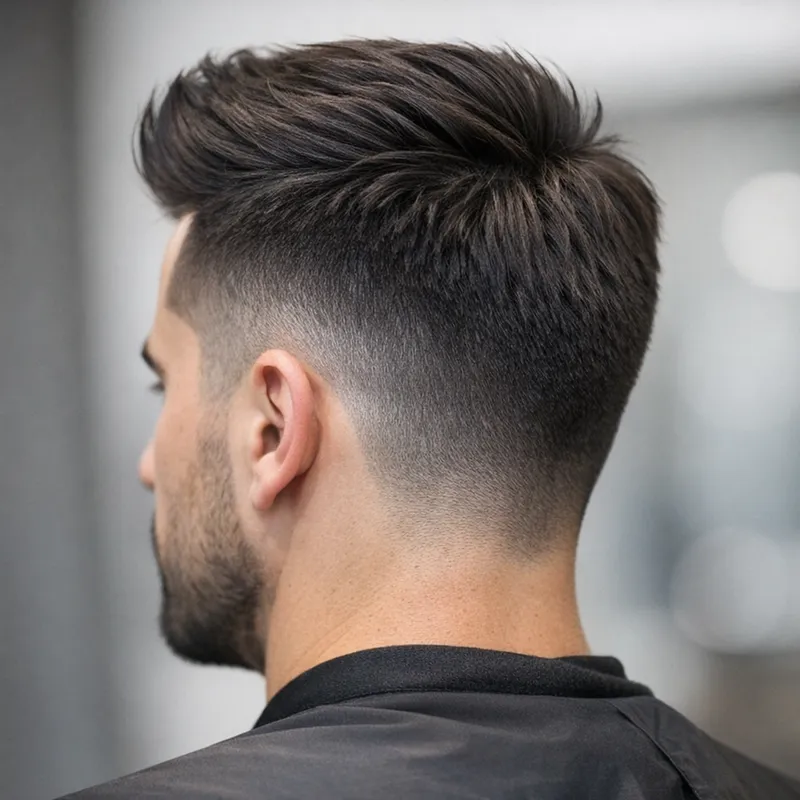
When you think of 70s style hair for men, you probably picture rock stars on stage, movie icons with effortless waves, and that mix of rebellion and relaxed confidence. The good news: you can bring those classic 70s hairstyles into your everyday look without feeling like you’re wearing a costume.
In this guide, you’ll find the most popular 70s men’s hairstyles, who they suit, and step-by-step instructions so you can ask your barber for the right cut or recreate the style at home.
What Defines 70s Style Hair for Men?
70s style hair for men was all about movement, volume and personality. Cuts were looser, lengths were longer, and styling products were used to enhance natural texture instead of freezing everything in place.
Key elements of a 70s-inspired men’s hairstyle include:
- Medium to long length on top and often around the ears and neck.
- Soft layers that create movement and natural-looking volume.
- Texture – waves, curls or shaggy ends rather than sharp lines.
- Natural partings, usually down the middle or slightly off-center.
- Less rigid styling, using creams, light mousse or pomade instead of crunchy gel.
Jake Thompson, a master barber and men’s grooming expert, often explains to clients that 70s styles work best when the cut and products are chosen to respect your natural hair texture instead of fighting against it.
Is 70s Hair Right for You?
Before you grow your hair out, it helps to know whether 70s style hair for men will actually suit you and your routine.
Face shapes that work well
Most 70s hairstyles are forgiving, but they especially flatter these face shapes:
- Oval: You can wear almost any 70s cut – from long shaggy layers to tight curls or a feathered look.
- Rectangle/oblong: Medium or long length with layers at the sides helps balance a longer face.
- Square: Soft, layered 70s cuts with some wave or curl help round out strong jawlines.
- Heart-shaped: Longer length around the sides and back adds width and balances a narrower chin.
Hair types that suit 70s styles
- Straight hair: Ideal for feathered styles, center parts and smooth, shoulder-length looks.
- Wavy hair: Perfect for shaggy 70s cuts; layers bring out your natural movement.
- Curly hair: Great for 70s afro styles, rounded shapes and longer, loose curls.
- Coily/kinky hair: Excellent for full afros, stretched styles and rounded shapes with strong 70s vibes.
Lifestyle and maintenance
Ask yourself a few questions before committing:
- Are you willing to invest 5–15 minutes a day in styling?
- Can you visit your barber every 6–10 weeks for trims?
- Are you okay with your hair covering your ears or touching your collar?
If your answers are mostly “yes”, 70s style hair for men can easily fit into your routine.
Essential Tools and Products for 70s Style Hair
To get authentic 70s-inspired hair that still feels modern, you don’t need a drawer full of products. Focus on a few key items and use them consistently.
Basic tools
- Wide-tooth comb: For detangling without breaking your hair, especially if it’s wavy or curly.
- Vent brush or round brush: For creating volume and feathered ends when blow-drying.
- Hair dryer with nozzle or diffuser: A nozzle concentrates airflow for feathered looks; a diffuser protects curls and afros.
- Sectioning clips: Useful when you’re learning to style layered or longer hair.
Styling products
- Light hold mousse: Adds volume and control without stiffness; perfect for shags and layered cuts.
- Cream or lotion: Tames frizz and adds definition to waves and curls.
- Light pomade or cream wax: For definition on ends, mustaches or sideburns without a “wet” look.
- Sea salt spray: Adds natural-looking texture, especially useful for straight or fine hair.
- Heat protectant: Essential if you use a dryer or straightener regularly.
Care basics
- Use a moisturizing shampoo and conditioner two to three times per week to keep longer hair healthy.
- Apply a leave-in conditioner if your hair is dry, curly or coily.
- Get a trim every 6–10 weeks to maintain shape while keeping that relaxed 70s length.
Classic 70s Men’s Hairstyles and How to Get Them
There isn’t just one 70s hairstyle. The decade gave us everything from clean feathered cuts to wild rock-star shags and powerful afros. Here are the key styles and how to achieve them.
1. The Feathered 70s Cut
The feathered cut is one of the most iconic 70s styles. Hair flows back from the face, with soft layers that create a “winged” effect at the sides.
Best for
- Straight or slightly wavy hair.
- Medium to thick density.
- Oval, square or heart-shaped faces.
What to ask your barber
Use simple language:
- Medium-long cut with layers starting around the cheekbones.
- Length reaching the collar at the back, with side layers that flick out slightly.
- A natural or slightly off-center part, not a hard line.
How to style a feathered 70s cut
- Towel-dry your hair until it’s damp, not dripping.
- Work a small amount of light hold mousse or styling cream through the mid-lengths and ends.
- Using a round brush, lift sections of hair away from your face and blow-dry them back, following the shape of your head.
- Focus on the sides: wrap them around the brush, then roll them back and away to create that soft flick.
- Finish with a tiny amount of cream or pomade on the ends to define the “feathers” without making them stiff.
2. The Shaggy 70s Rocker Cut
The shag is a layered, messy style with lots of texture and attitude. Think longer layers on top, choppy ends and a relaxed, undone finish.
Best for
- Wavy or slightly curly hair.
- Medium to thick hair that can hold layers.
- Oval, square or rectangle face shapes.
What to ask your barber
- Medium to long layered shag with more length on top and at the back.
- Choppy, textured ends instead of blunt lines.
- Optional: a longer, soft fringe that blends into the sides.
How to style a 70s shag
- Start with damp hair and apply a palm-sized amount of sea salt spray or light mousse.
- Scrunch your hair with your hands to encourage natural waves.
- Either let it air dry for a rougher texture or use a hair dryer with a diffuser, scrunching as you dry.
- Once dry, pinch small sections at the ends with a pea-sized amount of cream or wax to add definition.
- Shake your head slightly to loosen the style. It should look effortless, not perfect.
3. The 70s Men’s Afro
The 70s was a powerful era for afro hairstyles. Men embraced natural curls and coils in rounded shapes with volume and presence.
Best for
- Curly to coily hair (Type 3 and 4).
- Medium to thick density.
- Any face shape – the afro can be tailored with shape and size.
What to ask your barber
- Rounded afro shape that follows your head’s natural curve.
- Even length all around or slightly longer on top for a modern twist.
- Clean neckline while keeping volume everywhere else.
How to style a 70s afro
- Wash with a moisturizing shampoo and conditioner, then apply leave-in conditioner on damp hair.
- Work in a curl cream or light oil, focusing on the mid-lengths and ends.
- Use a wide-tooth comb or your fingers to gently shape the hair outward.
- Let your hair air dry or use a diffuser on low heat to avoid frizz.
- Once dry, pick out the roots gently with an afro pick to build height and roundness.
4. 70s Shoulder-Length Waves
Shoulder-length hair with loose waves was another staple of 70s style hair for men, especially among musicians and actors. It’s relaxed, wearable and surprisingly versatile.
Best for
- Wavy or straight hair (you can add wave with styling).
- Medium to fine hair that benefits from more length.
- Oval, heart or rectangle faces.
What to ask your barber
- Shoulder-length cut with long layers through the ends.
- Soft, natural-looking edges instead of a blunt cut.
- Center or slightly off-center part.
How to style 70s shoulder-length waves
- Apply sea salt spray or wave-enhancing cream to damp hair.
- Twist sections around your fingers to encourage wave patterns.
- Blow-dry with a diffuser on low to medium heat or let it air dry for a more natural look.
- Once dry, break up the waves with your fingers. Avoid using a fine comb, which can flatten them.
- Add a small amount of light oil on the ends for shine and softness.
5. 70s Style with Mustache and Sideburns
No guide to 70s style hair for men would be complete without facial hair. Mustaches and strong sideburns were everywhere during the decade.
Best combinations
- Feathered or shaggy hair with long, straight sideburns.
- Afro styles with neatly edged sideburns and a mustache.
- Shoulder-length waves with a full, well-groomed mustache.
Basic grooming steps
- Grow your facial hair for at least 3–4 weeks to see your natural pattern.
- Use a trimmer to define the length of your mustache and sideburns.
- Keep the lines clean around your cheeks and neck so the overall look stays intentional, not scruffy.
- Use a small amount of mustache wax if needed to keep hairs from falling into your mouth.
How to Talk to Your Barber About 70s Style Hair
Getting a strong result starts with a clear conversation. Many men walk out of the barbershop disappointed because they didn’t explain the look well enough.
Bring visual references
Photos help more than any description. Save two or three pictures of 70s hairstyles you like that match your hair type. Show your barber the length you want, how the layers fall and how much volume you like on top.
Use simple, clear phrases
Instead of vague requests like “something 70s”, try lines like:
- “I want a medium-long cut with layers and a center part, inspired by 70s styles.”
- “Can you keep the length touching my collar and add layers so it moves more?”
- “I’m growing an afro; please shape it into a rounded, 70s-style silhouette.”
Be honest about maintenance
If you only have five minutes in the morning, tell your barber. They can adjust the cut so it works with less styling time – fewer layers, for example, or a length that dries well on its own.
Daily Routine to Maintain 70s Style Hair
Once you’ve got the cut, a simple routine keeps your 70s style hair looking intentional rather than messy.
Morning styling checklist
- Refresh: Lightly mist your hair with water or a leave-in spray to reactivate yesterday’s products.
- Add product: Apply a small amount of mousse, cream or curl product depending on your style.
- Shape: Use your fingers, a wide-tooth comb or a brush to set your part and shape the hair.
- Dry: Air dry if you like a relaxed finish or use a blow-dryer for more volume and control.
- Detail: Finish by refining the ends, sideburns and fringe with a tiny amount of pomade or wax.
Night routine
- Gently detangle your hair before bed, especially if it’s long or curly.
- Consider a satin or silk pillowcase to reduce friction and frizz, particularly for curls and afros.
- If you have an afro or longer curls, you can use a loose satin bonnet or pineapple method (loose top knot) to maintain shape.
When to trim
Even though 70s style hair for men often looks casual, the best versions are shaped regularly. Plan trims every:
- 6–8 weeks for shaggy and feathered cuts.
- 8–10 weeks for shoulder-length styles and afros, depending on growth rate.
Modern Ways to Wear 70s Style Hair
70s-inspired hair doesn’t have to look like a costume. You can combine classic shapes with modern details to make them feel current.
Cleaner lines and fades
If you like sharper finishes, ask your barber to keep the 70s length and texture on top but add a taper or soft fade around the neckline and sideburns. This keeps the silhouette tidy while preserving vintage character.
Subtle product finishes
Instead of very glossy, stiff styles, use low-shine creams and light sprays. You’ll still get control, but your hair will move and look more natural – closer to how 70s icons actually wore it day to day.
Blending with your personal style
Think about how your haircut fits with your clothes and lifestyle. A messy rock-inspired shag pairs well with band tees and denim. A smoother feathered cut can work with shirts and blazers. Match the energy of your hair to the way you dress most often.
FAQs About 70s Style Hair for Men
How do I ask my barber for a 70s haircut?
Bring two or three reference photos and say you want a medium to long layered cut inspired by 70s styles. Mention whether you prefer a center part, feathered sides, a shaggy finish or a rounded afro shape.
Can men with short hair get a 70s look?
You’ll need at least a few months of growth to really capture 70s style hair for men. In the meantime, you can grow out your top and sides evenly and ask for softer lines rather than tight fades.
How long does it take to grow 70s style hair?
On average, hair grows about 1.25 cm (half an inch) per month. Reaching a medium 70s length from a short cut can take 6–9 months, while shoulder-length or afros with more volume may take a year or longer.
What’s the best product for 70s hairstyles?
For most 70s cuts, light hold products work best. Use mousse or sea salt spray for volume in shags and feathered cuts, curl cream and oil for afros and curly styles, and cream or soft pomade for definition on ends and mustaches.
Do 70s hairstyles work for thinning hair?
Yes, but you need the right approach. Medium length with soft layers and texture can make thinning areas less noticeable. Avoid very flat, long styles that expose the scalp and instead aim for controlled movement and volume.
How do I keep a 70s afro healthy?
Focus on moisture and gentle handling: use hydrating shampoo and conditioner, apply leave-in conditioner and oil regularly, detangle with a wide-tooth comb or fingers, avoid harsh heat, and see your barber for shaping instead of over-picking or cutting at home.
Can I combine a modern fade with 70s length on top?
Yes. A low taper or soft fade around the ears and neckline with longer, layered hair on top gives you a clean, modern finish while still showcasing 70s-inspired length and texture.