
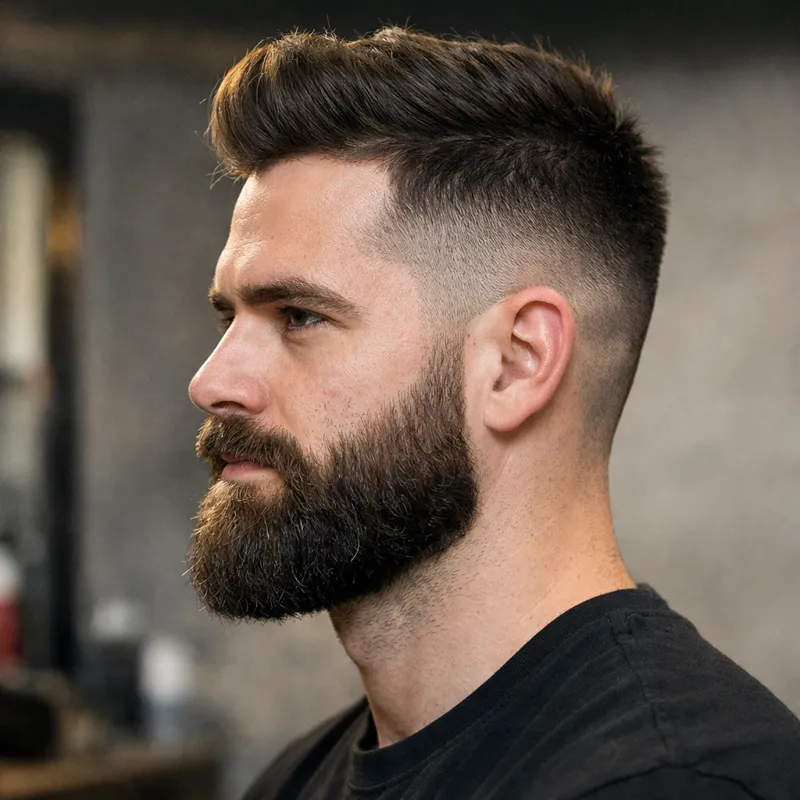
If you are thinking about beard dye, you probably fall into one of three camps: you want to cover greys, you want a fuller beard, or you want to experiment with a new look. The good news is that with the right products and a simple routine, you can get there at home without wrecking your skin or your beard.
In this guide I will walk you through everything: how beard dye works, how to choose your color, what to buy, and a step‑by‑step application process that feels like you just left the barbershop.
What Beard Dye Can (and Can’t) Do for Your Look
Before you put any color on your face, you need to understand what beard dye actually does. That helps you set realistic expectations and avoid the “painted on” look that everyone wants to avoid.
- Beard dye darkens the hair you already have. It can make your beard look thicker because darker hair looks denser, but it does not create new hair.
- It blends greys so they are less obvious, especially around the chin, mustache and sideburns.
- It can sharpen your overall style when you match the color to your haircut and eyebrows.
- It will not fix patchiness where there is no hair at all. For that, grooming, shaping and sometimes growth products matter more.
Think of beard dye as a finishing tool. Just like a fade or a taper frames your face, smart use of color cleans up the final impression.
Types of Beard Dye: Choose the Right Formula
Not all beard dyes are the same. The formula you choose affects the result, the feel of your beard and how often you need to reapply.
1. Permanent Beard Dye
Permanent dye is the strongest option. It uses an oxidizing process to push color deeper into the hair shaft, so it lasts several weeks.
- Longevity: 3–6 weeks depending on how fast your beard grows and how often you wash it.
- Coverage: Best for heavy grey coverage and strong color changes.
- Downside: Higher chance of irritation and more obvious regrowth line when it starts to fade.
2. Semi‑Permanent or Deposit‑Only Dye
This is my go‑to option for most men. Semi‑permanent dye coats the outside of the hair and gradually washes out.
- Longevity: 1–3 weeks with daily washing.
- Coverage: Great for softening greys and darkening slightly without a harsh line.
- Downside: Needs more frequent touch‑ups, but they are quick and low‑stress.
3. Temporary Tints, Mascaras and Sprays
These products sit on top of the hair and wash out with one shampoo.
- Longevity: One day or until your next wash.
- Coverage: Spot‑coverage for small patches or special occasions.
- Downside: Can transfer to shirts, pillows or masks if you apply too much.
According to Jake Thompson, a master barber with years of beard‑grooming experience, most clients are happiest when they start with semi‑permanent color to learn how their beard reacts before committing to permanent formulas.
How to Pick the Right Beard Dye Color
Color choice is where most men go wrong. If your beard color is off, people notice instantly. The trick is to think about blending, not repainting your face.
Match Your Beard to Your Hair (Most of the Time)
- Short haircuts and fades: Match the beard to the darkest tone in your hair, not the lightest part of a fade. The goal is a smooth transition from sideburn to beard.
- Long hair or man buns: If your hair has natural highlights, choose a beard color one shade lighter than your roots so the beard does not look like a block of ink.
- Receding hairline or shaved head: Use your eyebrows as a guide; stay within one shade of your brow color so everything feels balanced.
General Color Rules That Work
- When in doubt, go lighter. A slightly lighter beard will look natural. Too dark instantly screams “dyed”.
- Respect your undertone. If your skin has a warm tone (golden or olive), choose warm browns. If you are cooler (rosy or neutral), ash or neutral shades look cleaner.
- Consider your eye color. Dark eyes can handle deeper beard shades. Light eyes often look better with softer, medium browns.
Special Cases: Grey, Red and Very Dark Beards
- Salt‑and‑pepper beards: Use a semi‑permanent dye one or two levels lighter than your natural dark hair. You want to blur the contrast, not erase every grey.
- Natural red or ginger beards: Look for “warm copper” or “light auburn” tones. Avoid flat dark brown; it dulls the natural character of your beard.
- Very dark or black beards: Pure black can be harsh. Many men look better with “darkest brown” which still reads as black on the face but is softer.
Tools and Products You Need Before You Start
Setting up like a pro makes the whole process cleaner and faster. Here is a simple checklist you can follow at home.
- Beard dye kit in the right shade (color + developer if required).
- Small mixing bowl or the tray from the kit.
- Application brush or clean mascara wand.
- Nitrile or latex gloves.
- Fine‑tooth beard comb.
- Petroleum jelly or a thick, clear balm to protect your skin.
- Old towel and dark T‑shirt you do not mind staining.
- Gentle beard shampoo and conditioner.
- Beard oil and a light beard balm for aftercare.
Lay everything out in front of your mirror before you mix the dye. Once you start applying, you do not want to be hunting around for a comb or a cotton pad.
Prep Your Beard: The Foundation for a Clean Result
Preparation is where you win or lose the battle for a natural result. Take ten extra minutes here and your dye will sit more evenly and last longer.
-
Trim and shape your beard first.
Clean up your cheek lines, neckline and bulk before you color. Dyeing first and trimming later can leave lighter patches where you cut away hair.
-
Wash with a beard shampoo.
Remove oil, product build‑up and dirt. Avoid heavy conditioners right before dyeing; they can coat the hair and block the color.
-
Dry your beard completely.
Dye grabs better on dry hair. Pat dry with a towel, then let it air‑dry or use a cool setting on your hairdryer.
-
Protect the skin around the beard.
Apply a thin line of petroleum jelly around your beard edges: along your cheeks, neckline, and around your lips and nose. This barrier stops stains on your skin.
-
Comb the beard into its natural shape.
Comb everything in the direction you usually wear it. That helps you see any gaps and spread color evenly.
Step‑by‑Step: How to Apply Beard Dye Like a Barber
Now we get to the main part: application. Follow these steps and take your time on the first run. Once you know your timing, future touch‑ups will be quick.
1. Patch Test for Allergies
Always follow the instructions in the kit for a patch test at least 24 hours before your first full application. Place a small amount of mixed dye behind your ear or inside your elbow and watch for any redness, itching or burning.
2. Mix the Dye
- Put on your gloves.
- Squeeze equal parts of color and developer into the mixing tray, unless your kit says otherwise.
- Use the handle of your brush to blend until the color is smooth with no streaks.
Only mix what you need. For a short beard, you usually need less than you think. You can always mix a bit more if necessary.
3. Start with the Most Resistant Areas
Thicker hair takes longer to absorb color, so start there.
- Begin on the chin and mustache area. These are usually the densest parts.
- Use small strokes with your brush, pushing color slightly into the beard but not onto the skin.
- Move to the jawline and sideburns, following the natural growth direction.
4. Work the Dye Through Evenly
- Once all visible areas are covered, comb gently through your beard with a fine‑tooth comb.
- Watch for any lighter spots, especially under the chin and around the sides of your mouth.
- Add a small amount of dye where needed and comb again.
Your goal here is even saturation, not thickness. A heavy layer sitting on the surface can lead to patches when you rinse.
5. Watch the Processing Time Carefully
Set a timer according to the instructions. For a first application, it is smart to:
- Start with the minimum recommended time.
- Wipe a small section of beard clean with a damp cotton pad at that time.
- If the color is too light, apply fresh dye to that small spot and give the whole beard a few more minutes.
Remember: beard hair grabs color fast. Going an extra 5–10 minutes “just in case” is how many men end up with a blocky, too‑dark beard.
6. Rinse and Clean the Beard
- Rinse with lukewarm water until the water runs clear.
- Use a small amount of gentle beard shampoo to remove any residue.
- Rinse again thoroughly and squeeze out excess water with your hands.
- Pat dry with an old towel, then let the beard air‑dry.
7. Evaluate the Result and Adjust Next Time
Look at your beard in good natural light.
- If it is too light, you can repeat the process the next day and extend the processing time by a couple of minutes.
- If it is too dark, wash gently once or twice more with shampoo to soften the color. Next time, choose a lighter shade or cut the processing time.
Maintenance: How to Keep Your Dyed Beard Looking Fresh
A good first result is only half of the story. To keep your beard looking sharp, you need a simple maintenance routine that respects both the color and the hair.
Weekly Maintenance Routine
- Wash 2–4 times per week with a beard shampoo. Over‑washing fades color; under‑washing leads to buildup and dullness.
- Condition regularly with a light beard conditioner or softening treatment to keep dyed hair flexible.
- Apply beard oil daily to nourish the hair and skin underneath. Focus on the ends to prevent dryness.
- Use a light beard balm to shape and protect the hairs from friction and environmental damage.
Touch‑Up Strategy
- Semi‑permanent dyes: Plan for a quick touch‑up every 1–2 weeks. Often you only need to refresh the mustache and chin area.
- Permanent dyes: Wait at least 3–4 weeks, then focus on the new growth near your cheeks and neckline.
- Temporary tints: Apply on days when you need extra polish, like meetings, dates or photos.
Common Mistakes to Avoid
- Choosing a color several shades darker than your natural hair.
- Skipping the skin barrier and ending up with stained cheeks or neck.
- Leaving dye on longer than the maximum recommended time.
- Using harsh shampoos meant for the scalp on your beard every day.
- Ignoring dryness and split ends, which make any color look cheap.
Styling Ideas: How Beard Dye Complements Your Haircut
Beard dye looks best when it works with your hairstyle, not against it. Here are a few combinations that consistently look good in the chair.
Close Fades and Short Beards
With a high fade or buzz cut, your beard becomes the main frame for your face. Dyeing the beard one shade lighter than the natural hair at your crown creates a clean, athletic look without looking severe.
Textured Tops and Medium Beards
If you wear a textured crop or a messy quiff, a softly blended, semi‑permanent beard dye keeps the beard from overpowering the haircut. Avoid jet black; medium browns with a slight washout look more modern.
Long Hair, Man Buns and Full Beards
When your hair and beard are both longer, the key word is dimension. Instead of one flat shade, aim to soften the greys and deepen the overall tone without erasing every natural variation. The result feels more “lived in” and less like a wig.
Skin and Beard Health: Safety Tips You Should Not Skip
Your skin under the beard is just as important as the beard itself. Color is not worth it if you end up with irritation or breakouts.
- Always do a patch test with a new brand or formula.
- Avoid dyeing after shaving the area. Give the skin at least 24–48 hours to calm down.
- Do not use scalp hair dye on your beard unless the label explicitly says it is safe for facial hair.
- If you feel burning while the dye is on, rinse it off immediately and do not push through “for the color”.
- Talk to a dermatologist if you have a history of eczema, psoriasis or strong allergies before you start dyeing regularly.
Quick Decision Guide: Is Beard Dye Right for You?
If you are still unsure, run through this quick checklist in your head.
- You want to soften noticeable greys but keep a natural look.
- You like your beard shape and density, but the color feels washed out.
- Your haircut and eyebrows are darker than your beard, and the contrast bothers you.
- You are comfortable maintaining a simple routine every 1–3 weeks.
If you are nodding along to most of these, beard dye can be a strong tool in your grooming kit. Start conservative: softer formulas, lighter shades and shorter processing times. You can always build intensity over time, but you cannot undo an over‑dark, over‑processed beard overnight.
FAQ: Beard Dye and How to Get the Look
How long does beard dye usually last?
Semi‑permanent beard dye typically lasts 1–3 weeks depending on how often you wash your beard and how fast it grows. Permanent beard dye can hold for 3–6 weeks, but you will see lighter new growth at the roots as the hair grows.
Should my beard be lighter or darker than my hair?
Most men look best with a beard that is the same shade or slightly lighter than the darkest part of their hair. A much darker beard tends to look artificial, especially with short haircuts and fades where the contrast is more obvious.
Can beard dye damage my facial hair?
Strong, permanent dyes can dry out beard hair over time if you overuse them or leave them on too long. Using the right formula, following the timing instructions and moisturizing with beard oil and conditioner keeps the hair healthy and flexible.
Is it safe to use hair dye on my beard?
Only use a product on your beard if the label says it is suitable for facial hair. Some scalp hair dyes are too strong for the sensitive skin on your face and can cause irritation, burning or allergic reactions. Always do a patch test first.
How often should I touch up my dyed beard?
For semi‑permanent dyes, most men touch up every 1–2 weeks, focusing on the mustache and chin where growth is fastest. With permanent dyes, touch‑ups every 3–4 weeks are usually enough to keep the color even without over‑processing the hair.
Can beard dye cover a patchy beard?
Beard dye can make a patchy beard look fuller by darkening lighter hairs and reducing contrast with your skin, but it cannot create hair where there is none. For real patchiness, shaping, trimming and sometimes growth products or medical advice matter more than color alone.
What should I do if my beard color turns out too dark?
If your beard ends up too dark, wash it gently one or two times with a mild shampoo to soften the color. In future applications, choose a lighter shade, reduce the processing time or switch to a semi‑permanent formula for more control.