
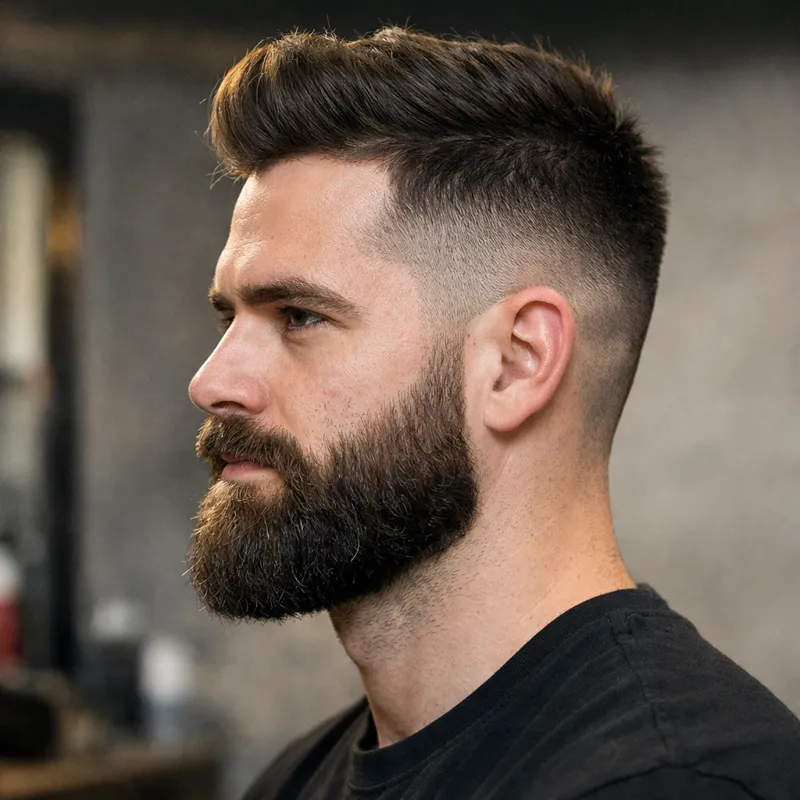
If you care about your beard, the right clipper is not a gadget – it is your main tool. With a good machine and a bit of know-how, you can keep your beard sharp at home and visit the barbershop when you want, not because you have to.
In this guide, you will learn which beard clippers are actually worth your money, what features matter, and how to match the right model to your beard type, routine and budget.
Beard Clippers vs Trimmers vs Hair Clippers: Know Your Tool
First, you need to be clear on the difference between beard clippers, beard trimmers and hair clippers. They look similar, but they are not the same tool.
- Beard clippers are built to handle thicker facial hair with multiple guard lengths. They are ideal for shaping full beards and maintaining length from light stubble up to long, heavy beards.
- Beard trimmers are usually lighter and more compact, with shorter guards and finer blades. They are perfect for fine-tuning outlines, cleaning necklines and detailing moustaches.
- Hair clippers are designed for scalp hair. You can use them on your beard in a pinch, but they tend to be bulkier and may not give you the precision you want around the jaw, lips and neck.
For most men, the smart setup is a solid beard clipper for the main work, plus a small trimmer or razor for tight edges around the cheeks and Adam’s apple.
Key Features to Look For in a Beard clipper
When you compare models, ignore the flashy marketing and focus on the features that really change how the clipper feels in your hand and how clean the result looks.
1. Blade Material and Quality
The blade is the heart of the machine. If the blade is poor, no motor or battery will save it.
- Stainless steel blades: common, affordable, and fine for most users if you clean and oil them regularly.
- Self-sharpening blades: designed so the edges lightly touch and sharpen each other as they run. This keeps them cutting smoother for longer.
- Titanium-coated or ceramic blades: stay sharp longer and usually run cooler. A good option if you have a very thick beard or trim often.
If your beard pulls, snags or feels like it is being “chewed” instead of cut, blade quality (or lack of maintenance) is often the problem.
2. Motor Power and Consistency
A strong, consistent motor gives you an even cut, especially on dense or curly beards.
- Thick or coarse beards benefit from higher-torque motors that keep speed under pressure.
- Normal or fine beards can get away with mid-range power. You will still want a clipper that does not slow down as the battery drops.
- Adjustable speed settings help if you share the clipper with someone else or use it for both beard and body hair.
If you hear the clipper bog down or feel it dragging, the motor is too weak for your beard or the blade is dull and dirty.
3. Length Settings and Guards
Your beard length should decide your clipper, not the other way around. Look at how the clipper handles length adjustments:
- Built-in dial / click wheel: lets you switch length quickly without changing guards. Great for everyday users.
- Detachable guards/combs: more flexible for a wide range of lengths, but easier to lose and slower to swap.
- Fine adjustment lever: some pro-style clippers have a side lever that nudges the blade closer or further for micro adjustments.
Check both minimum and maximum length. If you love heavy stubble, you need reliable settings from 0.4 to 3 mm. If you wear a big beard, you want guards that reach 20 mm or more.
4. Corded vs Cordless (and Battery Life)
Choosing between corded and cordless is mostly about your routine.
- Cordless clippers give you freedom to move and easier use in the bathroom. Look for at least 60–90 minutes of run time and a quick-charge option.
- Corded clippers never run out of power and often feel stronger, but the cable can be annoying in small spaces.
- Hybrid models can run on battery and plugged in, giving you the best of both worlds.
If you travel often or trim in different rooms, cordless is usually the better choice. If you have a very dense beard and long sessions, a powerful corded or hybrid model is harder to stall.
5. Waterproofing and Cleaning
A clean clipper cuts better and lasts longer. Waterproofing makes cleaning easier, but you still need the right habits.
- Fully washable clippers can be rinsed under the tap. This is perfect if you trim over the sink or in the shower.
- Washable heads only mean you remove the blade or head and rinse that part, but you should keep the body dry.
- Dry use only clippers need to be brushed and oiled carefully after each trim to avoid hair build-up.
Whatever you choose, plan to brush the blade after every use and oil it regularly. This simple step does more for performance than most “premium” features.
6. Ergonomics and Weight
You will hold your clipper at awkward angles: under the jaw, behind the ears, under the nose. If it feels clumsy or heavy, your lines will suffer.
- Grip: look for a textured or rubberised handle that does not slip when your hands are slightly wet or oily.
- Balance: the weight should feel centred, not all in the head or base. This makes longer sessions easier.
- Noise and vibration: quieter models are more comfortable, especially if you trim early in the morning or have sensitive skin.
Match Your Beard Type to the Right Clipper
The best beard clipper for you depends heavily on your beard texture, density and style. Do not buy what your friend uses without checking if your beards behave the same way.
Short Stubble and 3-Day Beard
If you like that permanent “three-day beard” look, you need precision at low lengths and smooth skin feel.
- Look for very fine length steps between 0.4 and 5 mm.
- Choose a clipper with rounded blade tips to reduce irritation on the neck and around the lips.
- Cordless models work well here because you usually trim quickly, every few days.
Keep a small trimmer or razor on hand for sharp cheek and neckline edges.
Medium Beards (5–20 mm)
Medium beards are the most common and the most unforgiving if you use a weak clipper. Any unevenness is easy to see.
- Choose a clipper with strong guards that do not flex when you press into the beard.
- Make sure you have multiple guards or a dial that lets you taper from shorter cheeks to a slightly longer chin.
- Prioritise a solid motor, especially if your beard is dense or slightly curly.
This setup lets you maintain a neat, shaped beard without having to fully re-sculpt it at the barbershop every two weeks.
Long and Full Beards
Long beards need respect. They tangle easily and will expose any weak point in your clipper.
- Pick a clipper with high-torque motor and quality blades (titanium-coated or ceramic if possible).
- Check that it includes long guards (up to 20–25 mm or more) for maintaining bulk while shaping.
- Combine it with a good beard comb and scissors for surface shaping and split-end control.
Long-beard trims take more time. A comfortable handle, decent weight and long battery life will make a bigger difference here than any extra marketing feature.
Patchy or Uneven Beards
With patchy beards, the clipper’s job is to help you create the illusion of density.
- Use a clipper with very precise low settings (0.5–4 mm) to keep everything short and even.
- Rounded blades are helpful, because you might trim more often while you experiment with different lengths.
- Consider a model with multiple guard lengths so you can leave stronger areas slightly longer.
Here, technique matters more than raw power. You want control and consistency from the clipper, not brute force.
Beard Clipper Types: From Budget to Pro-Level
You do not need a professional barbershop clipper to get a sharp beard. You just need to know where you sit on the scale between basic maintenance and perfectionist detail.
Entry-Level Beard Clippers
Good for: first-time users, light to medium beards, tight budgets.
- Usually lightweight and cordless only.
- Basic stainless-steel blades with a handful of guards.
- Battery life from 30 to 60 minutes in real use.
If you trim once or twice a week and keep your beard short or medium, an entry-level clipper from a known brand can be perfectly fine. Clean and oil it, and replace it when the battery or blade gives up.
Mid-Range Beard Clippers
Good for: most men with regular trimming habits, including thicker beards.
- Better motors that do not slow down easily.
- Self-sharpening or coated blades for longer life.
- More precise length settings and sometimes dual use for beard and hair.
This is the sweet spot for anyone who relies on their clipper weekly and wants cleaner fades between beard and haircut. You will feel the difference in smoothness and control.
Professional and Heavy-Duty Clippers
Good for: barbers, very thick or curly beards, and men who want shop-level power at home.
- High-torque motors designed for all-day use.
- Durable housings, often a bit heavier and more solid.
- Often corded or hybrid with long cables and robust batteries.
If your beard kills every cheap clipper you buy, stepping up to a pro-grade machine can save you money and frustration in the long run.
How to Use a Beard Clipper for a Clean, Even Trim
Even the best clipper will not fix bad technique. Follow a simple routine and your beard will look sharper, whatever model you use.
Step 1: Wash, Dry and Comb
- Wash your beard with a mild beard shampoo to remove oil and dirt.
- Dry it completely. Wet hair lies flatter and will look shorter once it dries, which can lead to over-trimming.
- Comb the beard in the direction of growth to remove tangles and reveal the true shape.
Step 2: Start Longer Than You Think
- Attach a guard that is a little longer than your goal length.
- Trim with the grain (in the direction the hair grows) for a first pass.
- Check the mirror under good light, then step down one length if you need it shorter.
You can always take more off. Putting it back on is another story.
Step 3: Shape the Cheeks and Jawline
- Use a shorter guard on the cheeks if you want a natural fade from skin to full beard.
- Follow your natural cheek line or clean it with a detail trimmer or razor for a sharper style.
- Around the jaw, tilt your head and run the clipper slowly to avoid uneven steps.
Step 4: Define the Neckline
The neckline makes or breaks a beard. A messy one will pull your whole face down.
- Look straight ahead and place two fingers above your Adam’s apple. That is a good starting point for most necklines.
- Trim everything below that point shorter or down to skin.
- Follow a gentle U-shape from behind each ear to that centre point, adjusting to your face and neck.
Step 5: Detail the Moustache and Edges
- Use a shorter guard or no guard to clean the moustache line above the lip.
- Close your mouth and relax your face so the line is even.
- Finish with a razor for extra-sharp cheek and neck edges if you like a very defined style.
Step 6: Finish With Beard Oil or Balm
After trimming, rinse away loose hairs, pat your face dry and apply a few drops of beard oil or a small amount of balm. This softens the hair, calms the skin and makes your lines look cleaner.
Maintenance: Make Your Beard Clipper Last
A well-kept clipper can last years. A neglected one can die in months, even if it was expensive. Build a simple maintenance routine.
- After each use: brush off hair from the blade and body. If it is washable, rinse the head and dry it fully.
- Oiling: add a drop or two of clipper oil to the blade while it is running, then wipe off the excess.
- Charging: avoid leaving the clipper permanently on the charger. Let the battery cycle through full charges.
- Storage: keep it in a dry place, preferably in a case with the guards organised.
These small steps protect the blade, the motor and the battery, and keep the clipper cutting smoothly every time you pick it up.
How to Choose the Best Beard Clipper for You: Simple Checklist
To make your decision easier, run through this quick checklist before you buy.
- Beard type: Is your beard light, medium or very thick? Straight, wavy or curly?
- Length range: What lengths do you actually wear? Short stubble, mid-length, or long beard?
- Routine: How often will you trim – daily, twice a week, or less?
- Power source: Do you prefer cordless freedom, corded power, or both?
- Waterproofing: Do you trim in the bathroom, over the sink or in the shower?
- Noise tolerance: Do you need a quieter clipper because of family, flatmates or early mornings?
- Budget: How much are you comfortable spending now, and how often would you accept replacing the clipper?
Answering these questions narrows your options down fast. Once you know what you need, compare two or three models that fit those criteria instead of getting lost in endless lists.
Frequently Asked Questions About Beard Clippers
How often should I replace my beard clipper?
With regular cleaning and oiling, a good beard clipper can last several years. Most people replace blades or heads every 1–2 years and the whole machine when the battery no longer holds a charge or the motor weakens.
Can I use the same clipper for my hair and beard?
Yes, many clippers are designed for both hair and beard, especially mid-range and professional models. Make sure the guards cover your preferred lengths and clean the clipper thoroughly between hair and beard use to keep it hygienic.
Why does my clipper pull my beard hair?
Pulling usually means the blade is dull, dirty or dry, or the motor is struggling. Clean and oil the blade, make sure the battery is charged or the cord is secure, and if the problem stays, it may be time to replace the blade or the clipper.
Should I trim my beard wet or dry?
For the most accurate length, trim your beard dry. Wet hair lies flatter and looks longer, so you risk cutting off more than you want. You can wash and towel-dry first, then wait a few minutes before trimming.
How do I choose the right guard length for my beard?
Start with a guard that you know is longer than your current beard and take a test pass on one cheek. If it barely removes hair, step down one size and repeat until you reach the look you want. Remember you can mix lengths on different areas.
How can I prevent skin irritation after trimming?
Use clean, well-oiled blades, avoid pressing too hard, and trim with the grain on sensitive areas like the neck. Rinse off loose hairs, then apply a gentle aftershave or beard oil to calm the skin and avoid heavy fragrances if you are prone to irritation.