
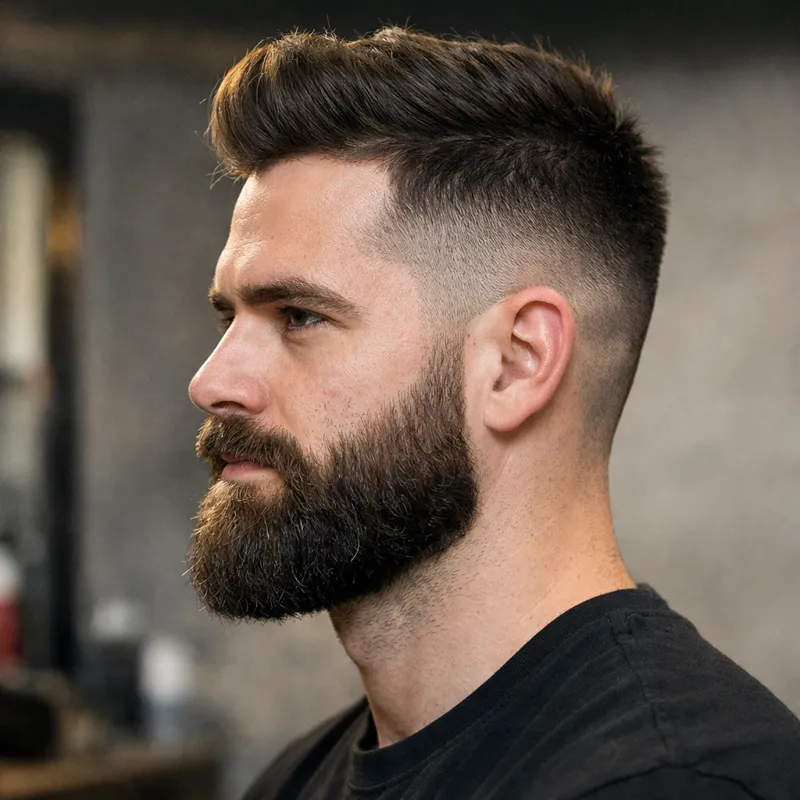
If you want a beard that looks sharp every single day, the tool that makes or breaks your routine is your beard styling trimmer. With the right one, you can clean your neckline in 30 seconds, keep your cheek lines tidy, and shape your beard exactly how you like it. With the wrong one, you fight against patchy cuts, irritated skin and a beard that never quite looks finished.
In this guide, you will learn how to choose the best beard styling trimmer for your face, your beard type and your lifestyle. We will go through the key features that actually matter, what you can skip, and how to use your trimmer so your beard looks like you just left the barbershop.
Beard styling trimmer vs regular trimmer: what is the difference?
Not every trimmer is built for precise beard styling. Many clippers are designed to cut head hair fast, not to sculpt cheek lines or detail a moustache. A beard styling trimmer focuses on control and precision instead of raw power.
Here is what usually separates a good beard styling trimmer from a basic clipper:
- Smaller, lighter body so you can control angles around your jaw, nose and lips.
- Narrower blade that lets you outline your beard edges without over-cutting.
- Fine length adjustments (often 0.2–0.5 mm steps) for stubble, short beards and fades between beard and hair.
- Detail attachments like a precision trimmer head or edging blade.
- Skin-friendly design with rounded blade tips and guards to reduce irritation.
You can still use a hair clipper on your beard, but if you care about sharp lines and consistent length, a dedicated beard styling trimmer makes the job far easier.
Know your beard style: choose the trimmer to match
Before you look at brands and specs, get clear on the beard you actually want to wear most of the time. Your ideal trimmer depends heavily on your style and length.
1. Light stubble and 5 o'clock shadow
If you keep your beard between 0.5 and 2 mm, you need micro control more than big power.
- Look for length settings from 0.4 to 5 mm in small increments.
- Prioritise a high-quality bare blade at 0–0.5 mm for clean neck and cheek edges.
- Choose a compact, lightweight body that is easy to manoeuvre around the jawline.
2. Short boxed beard
A short boxed beard usually sits between 3 and 10 mm with a defined outline. You want even length across your cheeks and jaw, and crisp lines.
- Choose a trimmer that covers 0.5 to 10–12 mm with guards or a built-in dial.
- Make sure it includes a precision head for the moustache and lines under the lips.
- Battery runtime matters a bit more here; aim for at least 45–60 minutes.
3. Medium and long beards
Longer beards are less about millimetre-perfect stubble and more about controlling bulk and shape.
- Look for guards that go up to 20–25 mm or more.
- Choose a trimmer with stronger motor power so it does not snag on dense hair.
- A wide main blade saves time, but pair it with a narrow detail trimmer for cheek lines and the moustache.
4. Goatees, chin straps and detailed styles
These styles depend on accuracy. The wrong move can ruin the balance of your lines.
- Prioritise a narrow blade and a detail trimmer head.
- Choose a model with clear visibility around the blade (no bulky plastic housing blocking your view).
- Waterproofing is less critical than control and low vibration.
Quick rule: the more detailed your beard shape, the smaller and more precise your trimmer should be. The fuller and longer your beard, the more you should care about motor strength and larger guards.
Key features that define the best beard styling trimmer
Once you know your beard style, you can judge trimmers on the features that will actually affect your daily routine. Focus on these core elements.
Blade quality and cutting performance
The blade is the heart of your trimmer. It affects how cleanly the trimmer cuts, how it feels on your skin and how long it stays sharp.
- Material: stainless steel is the standard; titanium or coated blades tend to stay sharp longer and resist corrosion.
- Self-sharpening design: some blades are engineered to lightly grind against each other, reducing the need for frequent replacement.
- Rounded tips: help prevent scratches and irritation, especially on sensitive neck skin.
- Minimum cutting length: if you like very short stubble, check that the bare blade cuts close enough (around 0.4 mm or less).
According to master barbers with experience in both clippers and beard work, blades that feel smooth on a single pass and do not require pressure are the safest bet for home users. They let you glide along the skin instead of pressing and risking irritation.
Length settings and guards
Length control is what turns a basic trimmer into a styling tool. You want enough range to cover your main beard style plus a little extra to experiment.
- Built-in dial vs clip-on guards: dials are convenient for small adjustments; separate guards are usually more durable and give you a wider range.
- Step size: for stubble, look for 0.2–0.5 mm steps up to 5 mm; for longer beards, 1 mm steps are usually fine.
- Dedicated detail guards: narrow guards for the moustache and under the lip help you avoid uneven patches.
Battery life and power
Nothing ruins a tidy beard like a trimmer that dies halfway through your neckline. Pay attention to both runtime and charging options.
- Runtime: aim for at least 45–60 minutes of cordless use; 90 minutes or more is ideal if you travel often or have a thick beard.
- Charging: USB-C or standard micro USB is more convenient than proprietary chargers, especially on the road.
- Quick charge: a 5–10 minute quick boost is helpful if you forget to charge.
- Corded use: some trimmers work while plugged in, which is a real safety net.
Waterproofing and cleaning
Cleaning your trimmer properly keeps the blades sharp and reduces skin issues. Waterproofing makes this easier but is not essential for everyone.
- Fully waterproof (IPX7 or similar): you can rinse the entire trimmer under water and sometimes even use it in the shower.
- Washable head only: blades and guards can be rinsed, but the body must stay dry.
- Dry-only models: require you to use the small cleaning brush more often and add a drop of oil when needed.
If you are prone to ingrown hairs or irritation, being able to rinse the blade thoroughly after each use is a big plus.
Ergonomics and grip
A trimmer can have great specs and still feel awkward in your hand. Ergonomics are often the difference between a tool you enjoy using and one you avoid.
- Weight: a lighter trimmer gives you better control for fine detailing, especially around the moustache.
- Grip texture: rubberised or textured surfaces help when your hands are slightly damp.
- Button placement: avoid models where the power button sits exactly where your thumb naturally rests; accidental shut-offs are frustrating.
Noise and vibration
If you share a home or trim early in the morning, noise matters more than you might think. Excessive vibration can also make detailing more difficult.
- Look for models advertised as low-noise or with dampened motors.
- Heavier, well-built trimmers often vibrate less than very light, cheap ones.
Wired vs cordless beard trimmers
Both wired and cordless trimmers can style a great beard. The right choice comes down to your habits and where you usually trim.
Cordless trimmers
- Maximum freedom of movement.
- Easier to reach necklines and under the jaw.
- Better option if you travel or trim away from a socket.
- Rely on battery health; performance may drop as the battery ages.
Wired trimmers
- Consistent power at all times.
- No need to remember charging.
- Often slightly stronger motors, useful for very thick beards.
- The cable can get in the way when detailing.
If you trim two or three times a week and like to move around your bathroom mirror, a cordless trimmer with a good runtime is usually the most practical option. If you have a very dense, coarse beard and always trim in the same spot, a wired or hybrid corded/cordless model can give you more consistent performance.
How to match a beard trimmer to your hair type and skin
Your beard density and skin sensitivity are just as important as your preferred style. Two men can use the same trimmer and get very different results depending on these factors.
If you have thick or coarse beard hair
- Prioritise motor power and a sharp, high-quality blade.
- Avoid very cheap trimmers; they tend to snag and pull on thicker hair.
- Consider a trimmer that supports corded use for maximum, consistent power.
If your beard is patchy or fine
- Look for precise length control at the shorter end (0.4–5 mm).
- Use lighter pressure and focus on smooth, rounded blade tips to avoid irritating visible skin between hairs.
- A detail trimmer helps you keep the lines neat even when coverage is uneven.
If you have sensitive skin
- Choose blades with rounded edges and check that the manufacturer emphasises skin comfort.
- Waterproof or at least washable blades let you clean away product build-up and bacteria more easily.
- Combine trimming with a gentle beard oil to soften hair and reduce friction.
Essential accessories that make styling easier
A good beard styling trimmer does a lot on its own, but a few simple accessories make the result cleaner and the process faster.
- Beard comb: for medium and long beards, combing before and between passes ensures an even trim.
- Beard scissors: useful for stray hairs around the mouth and for cutting split ends in longer beards.
- Beard oil or balm: softens hair, adds a slight shine and makes styling easier.
- Neckline guide (optional): some kits include a plastic guide to help you keep the same neck curve on both sides.
How to use a beard styling trimmer for a sharp result
Once you have the right tool, the technique is simple. Follow these steps to keep your beard clean and defined at home.
1. Start with a clean, dry beard
Wash your beard with a mild cleanser, rinse well and let it dry completely. Wet hair lies flat and looks longer, which can lead to trimming too much.
2. Comb everything in the direction of growth
Comb your beard downwards on the cheeks and chin, and outwards under the jaw. This reveals uneven spots and makes sure the trimmer cuts consistently.
3. Set your base length
- Choose a guard that is slightly longer than you think you need.
- Trim your entire beard in smooth, controlled strokes, going with the grain first.
- If it looks too long, switch to a shorter guard and repeat until you reach your preferred length.
4. Clean the neckline
The neckline is where most home trims go wrong. A simple rule keeps it looking natural: imagine a curve from behind one ear, down to just above your Adam's apple, and back up to the other ear.
- Remove the guard or use the shortest setting.
- Turn your head slightly to expose the neck and trim upwards to your imaginary line.
- Repeat on the other side, then check the curve in the mirror.
5. Define cheek lines
For most styles, a soft diagonal line from the sideburn to the corner of the mouth looks natural. If your beard grows high on the cheeks, you can keep it higher; if growth is patchy, a slightly lower line may work better.
- Use the bare blade or a precision trimmer.
- Work in small, careful strokes from the sideburn downwards.
- Match the angle on the other side by using reference points like the corners of your mouth or nose.
6. Tidy the moustache
Comb the moustache down over the lip. Use a short guard or bare blade on a precision head to remove hairs that hang over the lip line, then trim the top edges carefully to match your beard outline.
7. Finish with product
Rinse or brush loose hairs away, then massage a few drops of beard oil or a small amount of balm through the beard, shaping it with your fingers or comb. This brings out the lines you just created and keeps the beard soft.
Maintenance: keep your trimmer and your beard in top shape
Good maintenance extends the life of your trimmer and reduces skin problems.
- After every use: brush away loose hairs, then rinse the blade and guards if they are washable. Dry thoroughly.
- Once a week: add a drop of oil to the blade (if recommended by the manufacturer) and run the trimmer for a few seconds.
- Every few months: check the guards and attachments for cracks or damage and replace if needed.
- Battery care: avoid fully draining the battery every time; partial charges tend to prolong its life.
FAQ: Best beard styling trimmer and how to choose
How often should I replace my beard trimmer?
With basic maintenance, a quality beard styling trimmer can last several years. Blades may need to be replaced sooner, especially if you trim very thick beards or rarely clean and oil the cutting head.
Is a waterproof beard trimmer better?
Waterproof trimmers are easier to clean and more convenient if you like to trim in the shower. However, what matters more is blade quality, length control and how comfortable the trimmer feels in your hand.
Can one trimmer work for both head hair and beard styling?
Yes, some multi-grooming tools handle both. For precise beard styling, choose a model that includes a narrower blade or a dedicated detail trimmer head so you can outline cheek and neck lines accurately.
What length should I set my trimmer for a professional-looking beard?
For most faces, 1–3 mm works for designer stubble, 3–7 mm for a short boxed beard, and 10 mm or more for fuller styles. Start longer than you think, then reduce gradually until you like the shape and coverage.
How do I avoid skin irritation when trimming my beard?
Use sharp, clean blades with rounded tips, trim on dry skin after washing, and avoid pressing the trimmer into the skin. Finishing with a bit of beard oil or a fragrance-free moisturiser also helps reduce redness and itching.