
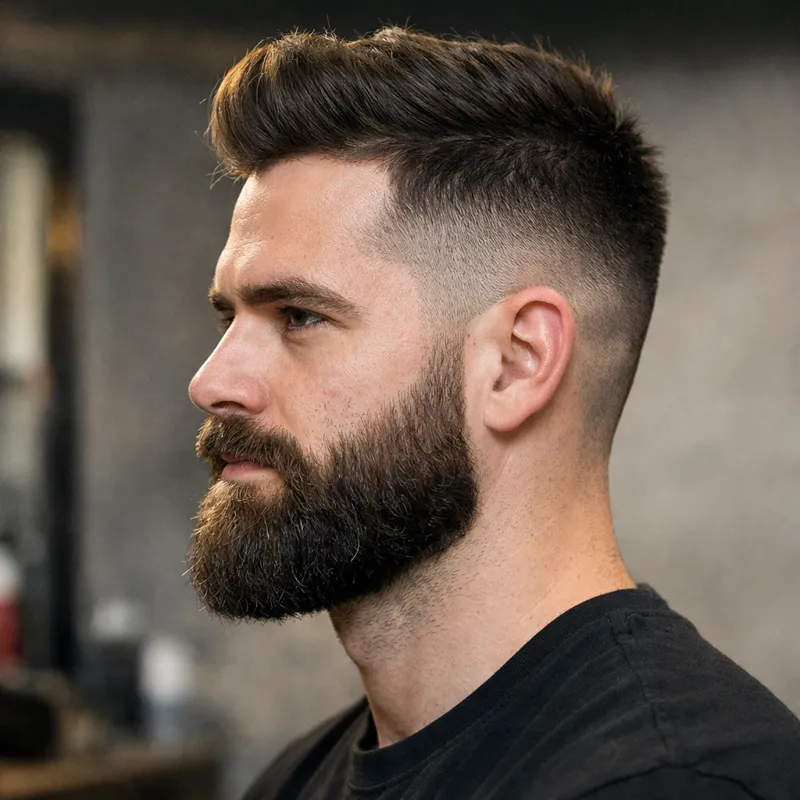
When you walk into a barbershop and ask for a quick beard cleanup, there is one tool that does most of the heavy lifting: the beard trimmer. At home, the right trimmer can be the difference between a sharp, even beard and a patchy, uneven mess.
This guide walks you through how beard trimmers really work, which type fits your face and lifestyle, and what features are genuinely worth paying for. By the end, you will know exactly how to choose the best beard trimmer for you and how to use it for barbershop‑level results at home.
What a Beard Trimmer Actually Does (and Why It Matters)
A beard trimmer is a grooming tool designed to cut facial hair to a controlled, even length. Unlike a razor, which shaves hair down to the skin, a trimmer lets you keep stubble, short beards or full beards while keeping the shape clean and intentional.
In practical terms, a good beard trimmer helps you:
- Keep your overall beard length even and symmetrical.
- Define your neckline, cheek lines and mustache edges.
- Blend different lengths (for example, short on the cheeks, fuller on the chin).
- Maintain your beard quickly between barbershop visits.
Think of it as your everyday maintenance tool. Scissors are great for detail work. Clippers are better for cutting head hair. But for controlled facial hair, the beard trimmer is your main weapon.
Main Types of Beard Trimmers
Before talking about blades and batteries, it helps to understand the main categories of beard trimmers. The right type depends on your beard style, how often you trim and how much versatility you need.
1. Cordless Beard Trimmers
Most modern beard trimmers are cordless. They run on an internal battery and recharge via cable or dock.
They are ideal if you:
- Like to trim in different spots (bathroom mirror, bedroom, even travel).
- Want freedom to move around your face without a cable in the way.
- Prefer a minimalist setup with no plugs dangling over the sink.
Key things to check with cordless models are battery type, runtime, and whether they still work while plugged in if the battery is low.
2. Corded Beard Trimmers
Corded trimmers plug directly into the wall and run only with the cable.
They make sense if you:
- Have a thick, dense beard and want consistent full power at all times.
- Usually trim in the same spot, near an outlet.
- Do not want to worry about batteries dying mid‑trim.
They are less flexible for travel but excellent for power and durability.
3. Hybrid Trimmers (Face and Body)
Hybrid trimmers are designed to handle both your beard and other body areas, often with multiple attachments.
Choose this style if you:
- Want one tool to manage beard, neck, chest and body hair.
- Have limited storage space and prefer a single, versatile device.
- Are willing to change guards and heads depending on the area.
4. Precision and Detail Trimmers
Detail trimmers are smaller tools designed for fine work: sharp mustache lines, under‑nose cleanup and sharp cheek contours.
They are a smart second tool if you:
- Wear sharp beard styles like a defined goatee or sculpted cheek line.
- Have a full beard but want very clean edges without using a razor every time.
Key Features to Look For in the Best Beard Trimmer
When you compare trimmers online or in the store, the spec sheet can feel like noise. Focus on these core features, because they have the biggest impact on how your beard will actually look and how easy the tool is to use.
1. Blade Material and Quality
Blades are the heart of the trimmer. Poor blades tug, pull and leave uneven patches. Good blades cut smoothly and stay sharp for years.
- Stainless steel blades: The most common. Durable, affordable and resistant to rust when cleaned and dried properly.
- Self‑sharpening blades: Designed so the moving and fixed blades lightly contact each other, keeping the edge sharper for longer.
- Ceramic blades: Stay cooler and can hold an edge well, but are more fragile if dropped.
If your beard is coarse or curly, invest in higher‑quality blades to avoid irritation and snagging.
2. Length Settings and Guards
Length guards (or combs) control how much hair you leave behind. The more precise the system, the more control you have over your look.
Pay attention to:
- Minimum length: For a shadow stubble look, you want settings from 0.4 to 1 mm.
- Maximum length: For full beards, look for guards up to 10–20 mm, depending on how big you grow it.
- Adjustment style: Some trimmers use a dial to micro‑adjust length; others rely on separate clip‑on guards.
If you want a clean, simple routine, a dial system with fewer loose parts can be much easier to manage and store.
3. Motor Power and Performance
The motor drives the blades. Underpowered motors struggle with thick or long beards and can cause tugging.
Signs of a good motor include:
- Consistent cutting speed even through dense areas like the chin.
- No need to repeatedly pass the same area to get an even cut.
- Low vibration and manageable noise level.
If you have a light, patchy beard, you can be more flexible. If your facial hair grows fast and thick, prioritize a stronger motor over gimmicky extra features.
4. Battery Life and Charging
Battery performance dictates how often you can trim before reaching for the charger.
Look for:
- Runtime: At least 45–60 minutes of use per full charge is a good benchmark.
- Charging time: Shorter is better, especially if you trim often.
- Quick‑charge function: Useful when you forget to charge and need just a few minutes of power for a trim.
- Use while plugged in: Some cordless trimmers also work as corded when charging.
5. Waterproofing and Cleaning
Cleaning your trimmer is non‑negotiable if you want it to last and avoid skin irritation.
- Fully waterproof: Can be rinsed under the tap and used in the shower.
- Washable head: Only the blade area detaches for cleaning; the body should not be submerged.
- Dry‑only: Requires brushing out hair and occasionally oiling the blades.
If you like a quick routine, a waterproof or at least easily washable head will save you time and effort.
6. Ergonomics and Design
How a trimmer feels in your hand directly affects your results, especially when shaping lines.
Consider:
- Weight balance: not too heavy at the top, so you can control detail work.
- Grip texture: rubberized or textured surfaces help prevent slips.
- Body shape: a slimmer body can make it easier to reach under the nose and jawline.
How to Match a Beard Trimmer to Your Beard Style
The best beard trimmer for you depends a lot on what you are wearing on your face. A minimalist stubble needs different tools compared to a full lumberjack beard.
For Light Stubble and Short Beards (0.5–5 mm)
If you like the “I shaved two days ago” look or a neat short beard, you want precision at low lengths.
- Choose a trimmer with fine, close length settings (0.4, 0.6, 1, 2 mm, etc.).
- Look for a built‑in dial rather than a bag full of guards.
- Prioritize a compact, lightweight design for quick daily touch‑ups.
For Medium Beards (5–12 mm)
A medium beard needs more power and longer guards, but you still want detail control.
- Pick a model with solid runtime (at least 60 minutes) and multiple guards up to 10–12 mm.
- Make sure it includes a detail attachment or an edge setting for clean cheek lines.
- Check that the motor can handle denser areas without tugging.
For Long Beards (12 mm and Beyond)
With a long beard, you are managing both volume and shape. Your trimmer needs to be powerful and versatile.
- Look for guards up to 18–20 mm or more.
- Consider a beard and hair trimmer combo for extra power and wide blades.
- Use the trimmer mainly to set length and basic shape, then scissors to fine‑tune.
For Precise Goatees, Faded Beards and Sharp Lines
Styles with strong edges, like a tight goatee or a faded beard that blends into a short haircut, need precision tools.
- Choose a trimmer with a narrow blade or a dedicated detail head.
- Make sure there is a “no‑guard” setting that cuts close enough for sharp outlines.
- Balance your main trimmer with a smaller detail trimmer or razor for finishing touches.
Best Beard Trimmer Features by Use Case
Instead of chasing one “best” trimmer for everyone, it is more useful to think about specific situations. Here is how to choose based on how you actually use your trimmer.
Fast Daily Maintenance
- Compact cordless trimmer.
- Dial‑based length control.
- Quick‑charge and at least 45 minutes of runtime.
- Water‑resistant for easy cleaning.
Weekly Full Beard Shaping
- Powerful motor with minimal vibration.
- Range of guards up to 15–20 mm.
- Detail attachment for lines and mustache.
- Strong battery or corded power.
Travel and Gym Bag
- Compact size and protective cap.
- USB charging if possible.
- Multi‑use (face, neck, small body areas).
- Carrying pouch for guards and charger.
How to Use a Beard Trimmer for a Clean, Even Result
Owning a good trimmer is only half the story. Using it with a clear routine is what gives you that sharp, barbershop finish at home.
Step 1: Start With a Clean, Dry Beard
Wash your face and beard with a gentle cleanser, then dry thoroughly. Trimmers work best on dry hair, which stands up slightly and cuts more predictably.
Step 2: Comb and Detangle
Use a beard comb or brush to remove knots and direct the hair in its natural growth direction. This helps the trimmer glide evenly and reveals the real volume of your beard.
Step 3: Set a Longer Guard First
Always start longer than you think you need. You can always go shorter, but you cannot put hair back once it is gone.
- Attach a guard 1–2 mm longer than your target.
- Trim the entire beard with slow, controlled strokes, going against the grain (opposite direction of hair growth).
- Check in the mirror, then decide if you want to go down one setting.
Step 4: Define Your Neckline
A clean neckline can instantly make even a simple beard look intentional.
As a general guide:
- Place two fingers above your Adam’s apple. That is a good starting point for the bottom of your neckline.
- Imagine a curved line from behind one ear, under your jaw, to the other ear.
- Use your trimmer without a guard to clean everything below that line.
Step 5: Clean Up Cheek Lines
Cheek lines can be natural and soft or sharp and angled, depending on your style and growth pattern.
- Smile slightly to tighten the skin.
- Use the edge of the blade without a guard to trace your preferred line.
- Work slowly, taking off small sections rather than trying to create the line in one pass.
Step 6: Trim the Mustache
The mustache often grows faster and can sit on top of your upper lip if you ignore it.
- Comb the mustache hair downward over your lip.
- Use a shorter guard or the naked blade, held horizontally, to trim just to the top of the lip.
- For a more natural look, finish with small grooming scissors to catch any stray hairs.
Step 7: Final Check and Blend
Turn your head side to side and check symmetry. If you fade your beard into a shorter haircut, use mid‑length guards to blend the sideburns and jawline gradually, rather than jumping from long to short in one line.
Maintenance: How to Keep Your Beard Trimmer in Top Shape
Taking care of your trimmer is just as important as choosing it. Well‑maintained blades cut cleaner, last longer and are kinder to your skin.
After Every Use
- Remove the guard and tap out loose hair over a bin.
- Use the cleaning brush to clear hair from between the teeth and around the motor area.
- If waterproof, rinse the head under warm water and dry fully before reattaching.
Weekly or Bi‑Weekly
- Apply a few drops of clipper oil to the blades while the trimmer is running, then wipe off the excess.
- Check that guards are not cracked or warped, which can cause uneven results.
- Recharge the battery fully rather than leaving it constantly at low levels.
Long‑Term Care
- Replace blades or the head unit according to the manufacturer’s guidance, especially if you notice pulling or uneven cutting.
- Store the trimmer in a dry place, not directly on a damp bathroom counter.
- Keep all parts together in a pouch or case so guards do not get lost or damaged.
Beard Trimmer vs. Clippers vs. Razors: What to Use When
It is easy to confuse grooming tools, but each one has a clear role.
- Beard trimmer: For maintaining lengths from very short stubble to full beards and shaping lines.
- Hair clippers: For cutting head hair and very long beards; usually wider blades and stronger motors.
- Razor (manual or electric shaver): For a completely smooth, clean shave down to the skin.
Most men get the best results by combining tools. Use the trimmer for daily control, clippers for major length changes, and a razor only to clean the edges you want completely bald.
FAQ: Best Beard Trimmer and How to Choose the Right One
How do I know which beard trimmer length setting to use?
Start with a longer length than you think you need and trim your entire beard. If it still feels too long, go down one setting and repeat. Over a few trims you will learn which guard or dial number gives your ideal look.
Is a corded or cordless beard trimmer better?
Corded trimmers offer constant full power and suit thick beards and fixed bathroom setups. Cordless models are more flexible and travel‑friendly. If you trim often and move around, choose cordless with strong battery life; if power is your priority, go corded.
Can I use a hair clipper instead of a beard trimmer?
You can use a hair clipper for longer beards and basic bulk removal, but clippers are usually wider and less precise. For everyday shaping, mustache trimming and clean cheek lines, a dedicated beard trimmer is easier to control.
How often should I replace my beard trimmer blades?
With regular cleaning and oiling, quality blades can last one to three years, depending on how often you trim and how coarse your beard is. Replace the blades or cutting head if you notice pulling, irritation or uneven cutting even after cleaning.
Should I trim my beard wet or dry?
For most beard trimmers, dry hair gives the most predictable and even results. Wet hair can clump and appear longer, so you might accidentally cut more than you intended. If your trimmer is waterproof, you can rinse it, but trim with a dry beard.
What is the difference between a beard trimmer and an electric shaver?
A beard trimmer cuts hair to a controlled length above the skin, using exposed blades and guards. An electric shaver is designed to remove hair down to the skin with foils or rotating heads, giving a clean‑shaven look rather than stubble or beard.