
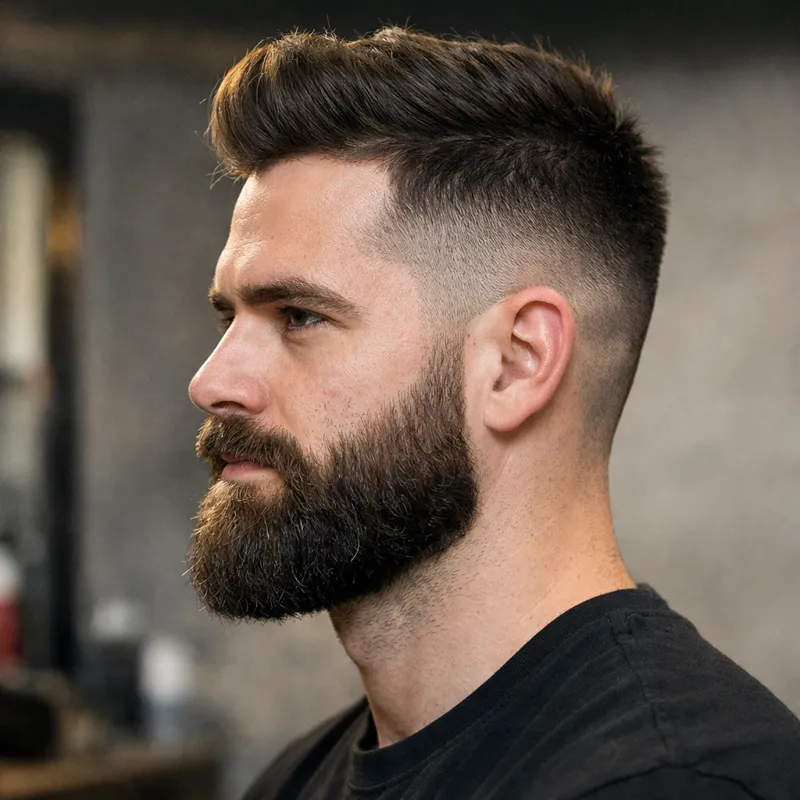
If you care about your style, you already know this: a good beard trim can make the difference between looking tired and looking sharp. The problem is that the market is full of beard trimmers that all promise the same thing. You don’t need more noise, you need clear criteria and a tool you can trust on your face.
In this guide I’ll walk you through how to choose the best beard trimmer for your needs, what really matters (and what doesn’t), and how to use it so your beard always looks clean, even if you trim at home.
What Makes a Beard Trimmer “the Best” for You?
There’s no single best beard trimmer for every man. What you actually need is a trimmer that matches three things: your beard length, your skin sensitivity, and your routine (how often and where you trim).
- Beard length and density: short stubble, medium box beard, long full beard or detailed goatee all demand different ranges of length settings and different motor strength.
- Skin type: if you have sensitive or acne‑prone skin, you’ll want smoother blades and guards that glide better and reduce irritation.
- Routine and lifestyle: daily trimming in the bathroom is not the same as weekly maintenance or travel grooming. Battery, size and accessories change a lot here.
Your goal is simple: match these three variables to the right features so the trimmer does most of the work for you. Let’s break those features down.
Key Features to Look For in a Beard Trimmer
Instead of getting lost in marketing terms, focus on these core elements. They are the ones you’ll actually notice every time you use the trimmer.
1. Blade material and quality
Blades are the heart of any beard trimmer. They define how clean the cut is and how your skin feels afterwards.
- Stainless steel blades: the standard option, durable and affordable. Good for most users if cleaned and oiled regularly.
- Titanium‑coated blades: stronger and more resistant to wear. They tend to stay sharp longer, which is useful for thick beards.
- Ceramic blades: stay cool and sharp, but can be a bit more fragile if dropped. They’re great if your skin gets hot or irritated easily.
Look for self‑sharpening blades if possible. They maintain their edge longer and you’ll get a consistent cut for years, not just months.
2. Length settings and precision
Length control is what turns a simple clipper into a true beard trimmer. You want enough steps to fine‑tune your look without feeling overwhelmed.
- Short stubble (0.5–2 mm): look for very low settings and small increments (0.2–0.5 mm) for shadow beards and 3‑day stubble.
- Short to medium beards (3–10 mm): you need a solid range around 3, 5 and 7 mm, which are the most common “office‑friendly” lengths.
- Long beards (10–25+ mm): require guards or a long‑beard comb that keeps the hair even without snagging or bending.
A good trimmer will either have an adjustable wheel (for quick micro‑adjustments) or a clear set of combs with visible, easy‑to‑read millimeter marks.
3. Motor power and performance
If your beard is patchy and fine, almost any trimmer will cut it. If it’s thick, curly or wiry, you need a stronger motor so it doesn’t tug or stall.
- Light beards: low to medium power is fine, you can prioritize light weight and comfort.
- Dense or coarse beards: choose a trimmer that explicitly mentions “high‑torque”, “high‑power motor” or similar wording.
- Consistency: trimmers that maintain power as the battery drains are more comfortable; otherwise the last 20% of battery feels rougher.
4. Corded vs cordless (and battery life)
How and where you trim will define whether battery is a priority or not.
- Cordless trimmers: ideal for flexibility and travel. Look for at least 60 minutes of runtime and USB or standard chargers.
- Corded trimmers: unlimited runtime and usually more power, but you’re tied to an outlet and cable management.
- Hybrid models: can be used plugged in and cordless, which is the most versatile option for most men.
Fast‑charge is a useful bonus: even 5–10 minutes of charging for one full trim can save you when you’re in a rush.
5. Waterproofing and cleaning
Cleaning is what keeps performance and hygiene on point. If cleaning feels tedious, you’ll end up skipping it, so make it easy on yourself.
- Fully washable: you can rinse the whole body under the tap. Very practical if you trim in the shower or over the sink.
- Washable head only: you detach the blade module and rinse it, while the body stays dry.
- Dry only: you must use the included brush to remove hairs; not ideal if you want quick maintenance.
If you use beard oil every day, a washable head is almost mandatory to avoid buildup that dulls the blades.
6. Ergonomics and build quality
A beard trimmer lives in your hand. Shape, grip and weight matter more than you think, especially for clean cheek lines and sharp edges.
- Grip: look for rubberized or textured areas that prevent slipping when your hands are slightly oily or wet.
- Weight and balance: a well‑balanced trimmer feels natural; too heavy and your wrist tires, too light and it feels cheap.
- Buttons and wheel: make sure length controls do not move accidentally while trimming.
7. Attachments and accessories
Not every accessory is useful. Focus on the ones that actually support the beard style you want.
- Adjustable beard combs: key for even length.
- Detail trimmer or precision head: ideal for shaping moustaches, soul patches and cheek lines.
- Nose and ear trimmer: a nice bonus if you want an all‑in‑one grooming kit.
- Travel pouch and stand: help you keep everything in one place and protect the blades.
It’s better to have 3–4 solid, well‑designed attachments you’ll actually use than a big box of plastic that never leaves the drawer.
How to Match a Beard Trimmer to Your Beard Style
Now let’s connect those features to real‑world beard styles so you can see what fits you best.
For a clean designer stubble
Designer stubble lives in the 0.5–3 mm range and needs precision, not power.
- Choose a trimmer with very fine length steps (0.2–0.5 mm).
- Look for “zero‑gap” or low‑profile blades to get closer to the skin.
- Prioritize comfort and compact size; you’ll use it often.
Trim every 2–3 days and keep the neckline about two fingers above your Adam’s apple for a natural but clean look.
For a short, office‑friendly beard
Here you want structure: crisp lines at the cheeks and neck, with even length on the jaw and cheeks.
- Choose a trimmer with a solid range around 3–7 mm.
- Make sure it includes a detail trimmer for edges.
- Mid‑range motor power is enough unless your beard is very coarse.
Trim once a week, and use a longer guard on the chin and a slightly shorter one on the cheeks to create natural definition.
For a full or long beard
Full beards need control and patience. The trimmer must handle bulk without pulling.
- Pick a high‑power motor with a long‑beard comb (10–25+ mm).
- Look for wide blades to cover more surface with each pass.
- Waterproof or at least washable head is almost essential: long beards trap more oil and product.
Comb the beard out before trimming, always go with the grain first, and only then against it if you want a sharper finish.
For sharp lines and faded beards
If you wear detailed cheek lines, faded sideburns or a sculpted goatee, precision tools matter more than guard range.
- Choose a trimmer with a narrow precision blade or an extra detail head.
- Very low length settings (0.5–1 mm) help you blend beard into fade haircuts.
- A strong motor avoids stuttering lines when you work against dense areas.
A steady hand plus a clear mirror and good lighting are as important as the trimmer itself for this type of beard.
How to Use a Beard Trimmer: Step‑by‑Step
Once you have the right tool, technique is the next step. Follow this simple routine to get consistent results at home.
Step 1: Wash and prepare your beard
- Wash your beard with a gentle beard shampoo or mild cleanser.
- Dry it well with a towel; trimming a damp beard often leads to uneven results because hairs stretch.
- Comb or brush your beard in the direction it grows to detangle.
Step 2: Set an initial length (longer first)
- Start with a longer guard than you think you need. It’s easy to go shorter; impossible to go longer instantly.
- Trim the entire beard with that guard to create a base level.
- Check the result in good light, then adjust 1–2 mm shorter if needed.
Step 3: Define the neckline
- Look straight ahead in the mirror.
- Place two fingers above your Adam’s apple; that line is a good starting point for the bottom of your beard.
- Use the trimmer with no guard (or the lowest setting) to clean below that line from ear to ear.
Step 4: Clean the cheek lines
- Decide if you want a natural or sharp cheek line.
- For sharp lines, use the corner of the blade or a detail head and create a gentle curve from sideburn to moustache.
- Always trim small sections; it’s easier to remove a little more than to fix a line that went too low.
Step 5: Balance moustache and chin
- Use a slightly shorter guard on the moustache so it doesn’t cover your upper lip.
- Comb the moustache down, trim, then comb again and repeat if needed.
- For the chin, you can keep it 1–2 mm longer to add definition and a slimming effect to the face.
Step 6: Final checks and cleanup
- Check both sides of your face for symmetry; take a step back from the mirror.
- Trim any stray hairs or uneven patches.
- Finish with a light beard oil or balm to condition and add a subtle shape.
According to master barbers with years of experience in modern beard grooming, the difference between an amateur and a pro result often comes down to these simple habits: starting longer, trimming in stages and never rushing the neckline.
Maintenance Tips to Keep Your Trimmer Performing Like New
Even the best beard trimmer loses performance if you ignore maintenance. The good news is that a simple routine after each use is enough.
- Brush out hair: use the included cleaning brush to remove hair from blades and guards.
- Rinse if possible: if your trimmer or blade head is washable, rinse under lukewarm water and let it dry completely.
- Oil the blades: a drop or two of clipper oil every few uses reduces friction and heat.
- Charge smart: avoid leaving the trimmer permanently on the charger; follow the manufacturer’s instructions to protect the battery.
- Replace worn parts: if you notice pulling or uneven cutting, it may be time to replace the blade module or combs.
Store your trimmer in a dry place, ideally in its pouch or stand, to protect it from dust, moisture and accidental drops.
How Much Should You Spend on a Beard Trimmer?
Price doesn’t automatically equal performance, but it usually reflects materials, motor quality and battery life. Think in terms of ranges and what you really get.
- Entry‑level (budget): basic stainless steel blades, decent for light beards and occasional trims. Good if you’re just starting or on a tight budget.
- Mid‑range: better motors, more precise length control, often waterproof and with self‑sharpening blades. This is the sweet spot for most men.
- Premium: stronger materials, smoother ergonomics, excellent batteries and more consistent cutting on very thick beards.
Think of it this way: if you trim once or twice a week, a mid‑range or premium trimmer quickly pays for itself compared to regular barbershop line‑ups just for the beard.
Checklist: How to Choose the Right Beard Trimmer in 30 Seconds
If you’re comparing models and feeling stuck, run through this quick checklist:
- Define your main style: stubble, short beard, full beard or long beard.
- Check length range: does it clearly cover your target length with small steps?
- Look at the blades: stainless, titanium‑coated or ceramic, ideally self‑sharpening.
- Evaluate motor: do reviews mention pulling on thick beards? If yes and your beard is dense, skip it.
- Decide on cordless vs corded: do you travel or trim away from outlets often?
- Check cleaning: fully washable or at least a removable, rinsable head.
- Test ergonomics if possible: does it feel good in your hand, not too big or slippery?
- Avoid paying extra for accessories you’ll never use.
Once you’ve answered these points, the “best” trimmer becomes the one that fits your beard and habits, not the one with the loudest marketing claims.
FAQ: Best Beard Trimmer for Men
How often should I replace my beard trimmer?
Most men can use the same beard trimmer for 3–5 years if they clean and oil it regularly. You may need to replace the blades or guards earlier if you notice pulling, rust or uneven cutting.
What is the best beard trimmer length for a professional look?
For most face shapes, a beard length between 3 and 7 mm looks tidy and professional. Keep the cheeks slightly shorter and the chin 1–2 mm longer to add structure without making the beard look heavy.
Can I use the same trimmer for my beard and hair?
You can, but it’s not ideal. Hair clippers are usually wider and stronger, designed for the scalp. Beard trimmers are narrower and more precise. If you use one tool for both, clean and disinfect it carefully between uses.
Are waterproof beard trimmers better?
Waterproof trimmers are more convenient to clean and safe to use in the shower, which many men prefer. Performance depends more on blades and motor than on waterproofing itself, but easy cleaning helps maintain that performance longer.
Should I trim my beard wet or dry?
Trim your beard dry or slightly damp, not freshly wet. Wet hairs stretch and appear longer, so you risk cutting too much. Dry hairs also show their natural direction and volume, which helps you shape the beard more accurately.
What’s the difference between a beard trimmer and a shaver?
A beard trimmer cuts hair to a specific length above the skin using guards or settings, which is ideal for beards and stubble. An electric shaver is designed to cut as close to the skin as possible for a clean‑shaven look.