
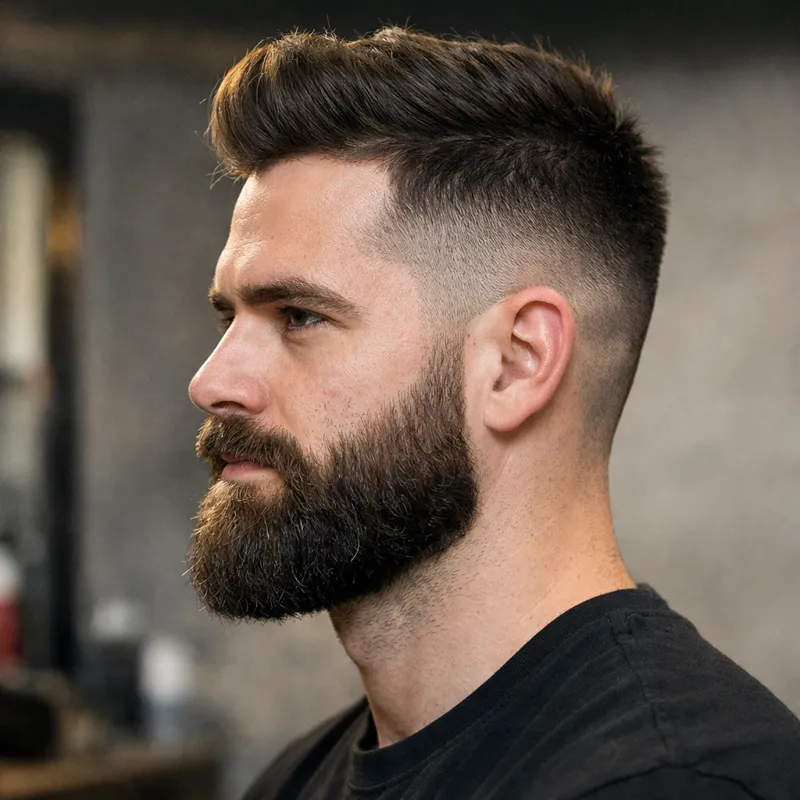
If your beard looks wavy, frizzy or unruly no matter how much oil you use, you are not alone. Many men have great beard density but struggle with direction, volume and texture. That is exactly where a beard straightener can change the game—if you choose the right one and use it correctly.
In this guide, you will learn how beard straighteners work, which type fits your beard and routine, and how to style your beard step by step without burning the hair or irritating your skin.
What a Beard Straightener Actually Does (and What It Doesn’t)
A beard straightener is a heated tool designed to relax curls and waves in your facial hair so the beard looks longer, neater and more defined. Unlike chemical straightening, the effect is temporary: when the hair gets wet or you wash your beard, it returns to its natural texture.
The goal is not to make your beard poker-straight like a flat iron on long hair. Instead, you want smoother lines, less puffiness on the sides and a beard that follows the shape of your jaw. Used well, a beard straightener should:
- Reduce frizz and random flyaways
- Help you control bulk on the cheeks and under the jaw
- Make the beard look fuller and more intentional
- Cut your morning styling time
Used badly, it can dry out the hair, create split ends or irritate the skin under your beard. That is why choosing the right type is as important as the technique.
Main Types of Beard Straighteners
Most beard straighteners fall into three big families. Each one has strengths and limitations depending on beard length, density and your experience level.
1. Heated Beard Brush
This is the most popular option. A heated beard brush looks like a compact hairbrush or comb with heated plates hidden under protective bristles.
Best for:
- Medium to long beards (around 3–4 cm and longer)
- Men who want a natural, slightly straighter finish
- Daily use with minimal learning curve
Advantages:
- Easy to control; you brush as you normally would
- Less direct contact between hot plate and skin
- Good for smoothing volume without flattening everything
Things to watch:
- Very short beards may not get enough contact with the heated area
- Cheap brushes without temperature control can overheat the hair
2. Mini Flat Iron (Straightening Iron)
A mini flat iron is a narrow, small-scale version of a regular hair straightener. Some are sold as hair tools; others are marketed specifically for beards, but the idea is the same: two heated plates that clamp the hair.
Best for:
- Long, dense beards that need strong control
- Very curly or coiled beards that puff out easily
- Detail work on moustaches or edges once you know what you’re doing
Advantages:
- Maximum straightening power
- Great for reshaping a heavy beard into sharper lines
Things to watch:
- Higher risk of heat damage if you clamp too tight or stay too long
- More chance of touching your skin with the hot plates
- Usually slower than a brush for full-beard styling
3. Hybrid Comb Straighteners
Hybrid tools combine a comb shape with heated elements and sometimes include interchangeable heads. They are designed to be compact and travel-friendly.
Best for:
- Short to medium beards
- Men who travel often and want one tool for hair and beard
- Quick touch-ups during the day
Advantages:
- Versatility: can work on both beard and front hairline
- Often lighter and easier to pack
Things to watch:
- Quality varies a lot; very cheap models can snag hair
- Smaller head means more passes for a full beard
Key Factors to Choose the Right Beard Straightener
Before you pick a model because it looks cool on social media, slow down and match the tool to your beard and routine. These are the criteria I use with clients in the barbershop.
1. Beard Length and Density
Your beard length is the first filter:
- Short beard (stubble up to 1.5 cm): You usually do not need a straightener. A good trimmer, balm and brushing are enough. Heat tools can be harsh on such short hair and skin.
- Short–medium beard (1.5–3 cm): A small heated comb or low-profile brush can help tame slight waves and side volume.
- Medium–long beard (3–8 cm): This is the ideal range for heated brushes. You have enough length to grip and guide the hair without overworking it.
- Very long beard (8+ cm): A mix of heated brush and mini flat iron works best if you want strong control and a very defined shape.
2. Hair Type and Texture
Different beard textures react differently to heat.
- Fine, soft hair: Needs lower temperatures; it straightens quickly but can burn or dry out just as fast.
- Medium hair: Handles a wider temperature range and usually responds well to brushes.
- Thick or coarse hair: Often curly, resistant and drier by nature. You will need a bit more heat and more passes, plus good conditioning.
When in doubt, assume your beard is more fragile than the hair on your head. You are working closer to the skin and the follicles, so you want control rather than brute force.
3. Temperature Control and Heat Range
Temperature control is non‑negotiable if you care about the health of your beard. Look for tools with clear settings rather than a vague “low/medium/high” slider.
- Below 170°C (338°F): Safer for fine or chemically treated hair, but may not be enough for very coarse beards.
- 170–190°C (338–374°F): Sweet spot for most healthy beards when used with heat protection.
- 190–210°C (374–410°F): Only for very coarse, resistant beards and short contact times.
Start with the lowest effective temperature. Increase only if you already protect the beard with oil or a dedicated heat protectant and you still do not get the result you want.
4. Plate and Bristle Material
Two common materials are ceramic and titanium.
- Ceramic: Heats evenly and more gently, which is ideal for most beards. It is forgiving if you are new to heat styling.
- Titanium: Heats up faster and can transfer heat more aggressively. It is effective but demands a lighter hand and a good routine.
For heated brushes, also pay attention to the bristles:
- They should be smooth and rounded to avoid scratching the skin
- They should rise slightly above the hot plate to keep a safe distance from your face
5. Size, Ergonomics and Cable
You are going to use this tool close to your nose, lips and neck, so comfort and control matter.
- Choose a handle that feels solid but not heavy
- Look for a swivel cord; it makes it much easier to reach under the jaw and neckline
- If your beard is very long, a slightly wider brush head will save time
- For travel or small bathrooms, a compact design is easier to store
6. Safety Features
Good beard straighteners often include:
- Auto shut‑off after a set time (usually 30–60 minutes)
- Cool‑touch tips or bristle guards
- Temperature lock so you do not accidentally bump the buttons mid‑stroke
Step‑by‑Step: How to Use a Beard Straightener Safely
Once you have the right tool, the way you prep and handle your beard determines the final look. Follow this simple sequence.
1. Wash and Dry Your Beard Properly
Always start with a clean beard. Use a gentle beard shampoo or a mild cleanser two to three times a week and rinse thoroughly. Product buildup or grease will cook on the hair if you apply heat on top.
Pat your beard dry with a towel. Do not rub aggressively, because that roughs up the cuticle and causes frizz. Let your beard air‑dry until it is completely dry or at least 90% dry before you use any straightener. Most beard tools are not designed for soaking‑wet hair.
2. Apply Beard Oil or Heat Protectant
Before you turn on the heat, protect the hair. Apply a few drops of beard oil or a heat‑protectant serum and distribute it evenly with your fingers. Focus on the mid‑lengths and ends, where the beard dries out first.
According to experienced barbers like Jake Thompson, who has spent more than fifteen years refining beard routines with clients, a light layer of oil before heat styling does not just protect the hair, it also helps the beard stay smoother for longer and reduces static.
3. Comb and Detangle
Use a wide‑tooth comb or a dedicated beard comb to remove knots and tangles. Start from the tips and work your way up toward the face. If you skip this step, the straightener will snag, pull and create new frizz.
4. Set the Temperature
Turn on your beard straightener and set it to the lowest recommended temperature for your hair type. Give it time to reach that temperature fully before you start.
- Fine or damaged beard: stay closer to 160–170°C (320–338°F)
- Normal beard: 170–190°C (338–374°F)
- Thick, coarse beard: up to 200°C (392°F), with shorter passes
5. Straighten in Sections
Work in small, manageable sections instead of attacking the whole beard at once. This gives you more control and a more even result.
- Cheeks: Place the brush or comb under the beard and pull down and slightly toward your jawline. Use slow, steady strokes.
- Chin and front: Brush straight down or slightly forward, depending on whether you want a rounded or squarer shape.
- Neckline and underside: Tilt your head back and run the tool from under the jaw downwards, keeping it a safe distance from the skin.
- Moustache: Use the very tip of the brush or a low‑heat pass with a mini flat iron, moving sideways, not straight down into your mouth.
For each section, two to three passes are usually enough. If you need many more, the temperature may be too low or the tool may not be right for your texture.
6. Refine the Shape
Once the beard is smooth, step back from the mirror and check your overall silhouette.
- If the sides look too flat, angle the brush slightly outward on the last pass for a bit more volume.
- If the bottom is too square, round the corners by pulling the hair in a gentle curve.
- If the beard looks too long, do your trimming after straightening. It’s easier to see the real length on straight hair.
7. Lock the Style with Product
To help the beard stay in place, finish with a small amount of balm or a light‑hold beard styling product. Warm it between your palms and apply it from the sides toward the centre, then from top to bottom.
Do not overload with heavy waxes unless you need strong control for a specific style; too much product will make the beard stiff and greasy instead of natural.
How Often Should You Use a Beard Straightener?
The right frequency depends on your beard’s condition and how it reacts to heat.
- Healthy, conditioned beard: Using a straightener three to four times a week is usually fine if you protect the hair and do not overheat it.
- Dry or brittle beard: Limit heat to special occasions while you focus on deep hydration with oils and conditioners.
- Very coarse beard: You may be tempted to use high heat every day. Balance this with heavier conditioning at night and regular trims to remove dry ends.
Pay attention to warning signs such as excessive dryness, a straw‑like feel, or split ends. If you notice them, reduce heat, lower the temperature and improve your care routine.
Common Mistakes to Avoid with Beard Straighteners
Most damage does not come from owning a straightener—it comes from using it wrong. Avoid these classic errors:
- Using it on wet hair: Heat and water expand inside the hair shaft and can cause breakage. Always dry your beard first.
- Cranking the heat to maximum: High temperature is not a shortcut. It just increases the risk of damage.
- Holding the tool in one spot: Keep the brush or iron moving. Never park it on the same area.
- Skipping oil or heat protection: Dry heat over time will weaken the hair and dull the beard.
- Using a dirty straightener: Product residue sticks to the plates and bristles, then transfers back to your beard, making it greasy and uneven.
Maintenance and Cleaning of Your Beard Straightener
Good maintenance keeps the tool safe and extends its life.
- Unplug the straightener and let it cool down completely before cleaning.
- Wipe the plates or heated area with a soft, lightly damp cloth to remove oil and product buildup.
- For stubborn residue, use a small amount of mild soap on the cloth, then wipe again with plain water and dry thoroughly.
- Check the cord regularly for damage. If you see exposed wiring, stop using the tool.
- Store it in a dry place, ideally in a heat‑resistant pouch if you travel.
Choosing Products that Work with Your Beard Straightener
The right products will support the work your straightener does instead of fighting it.
- Beard shampoo: Use a formula designed for beards or sensitive skin. Avoid harsh sulfates that strip natural oils.
- Beard oil: Look for lightweight oils (like argan, jojoba or grapeseed) that soften the hair without making it heavy.
- Heat protectant: Many hair heat‑protectant sprays work on beards; choose alcohol‑free options to avoid drying the skin.
- Beard balm: Ideal for finishing, especially in windy or dry weather.
- Comb and brush: A wooden comb and a boar‑bristle brush pair well with heat styling and distribute oils evenly.
Who Should Skip Beard Straighteners (for Now)
There are situations where it is better to pause or avoid heat styling entirely:
- Very patchy or new beards: Focus on growth, nutrition and gentle care for the first months.
- Skin conditions under the beard: If you have irritation, flaking or diagnosed skin issues, consult a dermatologist before using heat tools.
- Bleached or chemically treated beards: The hair is already more fragile; combining chemicals and heat can be too much.
If you are unsure, start with cooler settings and less frequent use, and pay close attention to how your beard feels over a few weeks.
Final Takeaway: Make the Tool Fit Your Beard, Not the Other Way Around
A beard straightener is just that—a tool. Used with the right temperature, prep and technique, it can turn an unruly beard into a clean, strong part of your look. Misused, it will dry and weaken the hair you are trying to show off.
Match the type of straightener to your beard length and texture, protect your hair with oil or heat protectant, and be patient. A few extra minutes of care will help you get consistent results without sacrificing beard health.
FAQ: Beard Straighteners
Is a beard straightener bad for your beard?
Used at moderate temperatures with oil or heat protection, a beard straightener is generally safe. Problems appear when you use maximum heat, style every day without protection or clamp the hair for too long in the same spot.
Can you straighten a short beard?
You can, but it is rarely necessary. On very short beards or heavy stubble, a straightener sits too close to the skin and offers little benefit. Trimming, brushing and a light balm are usually enough at that stage.
Should I use beard oil before or after straightening?
Use a small amount of beard oil before you straighten to create a protective layer and improve glide. After styling, you can add one or two extra drops on the ends if they still feel dry.
What temperature should I set my beard straightener to?
Most beards do well between 170 and 190 °C. Fine or damaged hair should stay closer to 160–170 °C, while very coarse beards can handle up to 200 °C with quick passes and proper protection.
How long does beard straightening last?
The effect usually lasts until your beard gets wet or very humid. For most men that means one day. In dry climates and with some balm for hold, you may keep a smoother look for a bit longer.
Can I use a regular hair straightener on my beard?
You can, but large hair straighteners are harder to control on a beard. The wide plates get too close to your skin and make it difficult to reach the curves of your jaw. A mini iron or heated beard brush is safer and more precise.
Do I need a beard straightener if my beard is only slightly wavy?
Not necessarily. Often, a good grooming routine with regular brushing, oil and balm is enough to calm light waves. A low‑heat brush can be a useful extra if you want a sharper, more defined shape for special occasions.